Foshan Mingjun Textile Company Ltd.

Views: 0 Author: Site Editor Publish Time: 2025-11-01 Origin: Site
If you want your ski socks to last and feel great, air drying is the way to go. Air drying helps your socks dry gently, which keeps them soft and stops them from shrinking. You should always dry your socks this way, especially if you have wool or merino socks. Tossing them in a hot dryer can ruin them. You might wonder, can you put ski socks in the dryer? It’s better to stick with air drying. When you dry socks the right way, your socks stay comfy and last longer. Air drying also helps you avoid that stiff, scratchy feeling that happens when socks dry too fast or with too much heat. You want your socks to dry well so you can enjoy your time on the slopes without worry.
Air drying is the best method for ski socks. It prevents shrinkage and keeps them soft.
Always lay your socks flat to dry. This helps maintain their shape and fit.
Avoid using high heat or direct sunlight. These can damage wool fibers and lead to stiffness.
Check the care label before drying. It provides important instructions for your specific socks.
Use gentle detergents and proper ventilation to enhance the durability and comfort of your socks.

You might think drying your ski socks is simple, but using proper drying techniques makes a big difference. When you use proper drying, you help your socks last longer and feel better on your feet. Wool socks, especially merino, need gentle care. The drying process for wool is not like drying regular cotton socks. Wool fibers can change shape if you use the wrong drying process. You want to prevent shrinkage and keep your socks soft. If you use proper drying, you keep the shape and fit just right.
Let’s look at why proper drying is so important:
You prevent shrinkage, which means your socks won’t get too small or tight.
You keep the wool fibers soft and comfortable.
You help your socks last through many ski trips.
You avoid that scratchy feeling that comes from harsh drying techniques.
Tip: Always check the care label on your socks before starting the drying process. Some wool socks need extra care, and the label will tell you the best way to dry them.
If you skip proper drying techniques, you risk damaging your ski socks. The drying process can go wrong if you use too much heat or rush things. Wool socks are sensitive. Improper drying can cause shrinkage, and you might not even notice until you try to put your socks on. Shrinkage makes your socks tight and uncomfortable. You also lose the softness that makes wool socks so nice to wear.
Here are some common risks you face with improper drying:
Shrinkage: Wool socks can shrink a lot if you use high heat. You want to prevent shrinkage every time you dry your socks.
Loss of Softness: The drying process can make wool socks stiff if you don’t use proper drying. Stiff socks feel rough on your skin.
Reduced Durability: Improper drying techniques can break down the wool fibers. Your socks might get holes or wear out faster.
Bad Fit: Shrinkage changes the shape of your socks. They might not fit your feet or your ski boots anymore.
Odor and Bacteria: If you don’t dry your socks fully, moisture can stay in the wool. This can lead to bad smells or even bacteria growth.
Note: If you want to keep your socks in top shape, always use proper drying. The drying process should be gentle and slow. Never rush it with high heat or direct sunlight.
Here’s a quick table to show what can happen if you don’t use proper drying techniques:
| Risk | What Happens to Wool Socks | How to Prevent It |
|---|---|---|
| Shrinkage | Socks get smaller and tighter | Use gentle drying process |
| Loss of Softness | Socks feel rough and scratchy | Air dry with care |
| Reduced Durability | Holes and worn-out spots appear | Avoid high heat |
| Bad Fit | Socks lose their shape | Lay socks flat to dry |
| Odor/Bacteria | Socks smell or get moldy | Dry socks completely |
You can see that proper drying techniques help you avoid all these problems. The drying process is not just about getting your socks dry. It’s about keeping your wool socks in great shape for every ski trip. If you use proper drying, you prevent shrinkage, keep your socks soft, and make sure they last a long time.
You want your ski socks to last, so you need to use the right drying methods. The process you choose can make a big difference. Let’s look at the best ways to dry wool socks and keep them soft, comfy, and ready for your next adventure.
Air drying is the safest and most effective way to dry wool socks. This process helps you avoid shrinkage and keeps your socks feeling soft. You don’t need fancy equipment. You just need a little patience and the right steps.
Here’s how you can air dry your ski socks the right way:
Lay your socks flat. Place them on a drying rack or a clean towel. This process helps your socks keep their shape.
Avoid direct sunlight. Sunlight can fade colors and weaken the fibers. Choose a shaded spot for the process.
Make sure you have good ventilation. A well-ventilated area helps moisture escape and speeds up the process.
Gently reshape your socks after washing. This step helps them return to their original form.
Tip: Don’t hang your socks. Hanging can stretch the fibers and ruin the fit. Always lay them flat for the best results.
You want to keep the process gentle. Air drying works best in a well-ventilated space. If you rush the process or use heat, you risk damaging your socks. Take your time, and your socks will thank you.
When you dry wool socks, you need to treat them with care. Wool and merino fibers are delicate. The process you use can affect how long your socks last and how they feel on your feet.
Here are some tips to help you dry wool socks without causing damage:
Always use air drying as your main process. This method protects the fibers and keeps your socks soft.
Gently press out extra water with a towel. Don’t wring or twist. This process helps you avoid stretching or damaging the fabric.
Lay your socks flat on a clean surface. This process keeps the shape and prevents sagging.
Avoid direct sunlight. UV rays can weaken the fibers and fade the colors. Stick to a shaded, well-ventilated area for the process.
Make sure the area has good ventilation. This process helps your socks dry evenly and prevents musty smells.
If you need to speed up the process, you can use a fan to increase ventilation. Just make sure the air isn’t too hot. The process should always be gentle. Dry wool socks slowly for the best results.
Note: If you dry wool socks too quickly or with too much heat, you risk shrinkage and loss of softness. Always choose a slow, gentle process.
Sometimes you need your socks dry in a hurry. Boot dryers and towels can help, but you need to use them the right way. The process matters if you want to keep your socks in good shape.
Boot dryers use warm air to speed up the process. They work by circulating heat and removing moisture, sweat, and odor from your socks. Many people find this process helpful, especially after a long day on the slopes. However, some users say boot dryers don’t always remove all the moisture, even after hours of use. If you use a boot dryer, choose a low heat setting and check your socks often. Good ventilation in the room helps the process work better.
Towel drying is another safe process for wool socks. Here’s how you can do it:
Lay your socks flat on a dry towel.
Roll up the towel with the socks inside and press gently. This process absorbs extra water without stretching the fibers.
Unroll the towel and lay your socks flat on a clean surface.
Keep them away from direct sunlight and in a well-ventilated area for the rest of the process.
Pro Tip: Never wring out your socks. This process can damage the fibers and ruin the fit.
You want to combine these drying methods for the best results. Start with towel drying to remove most of the water, then switch to air drying in a well-ventilated area. This process keeps your socks soft and helps them last longer.
Here’s a quick table to help you choose the best process for drying your ski socks:
| Drying Method | Best For | What to Avoid |
|---|---|---|
| Air drying | All wool socks | Direct sunlight, hanging |
| Towel drying | Removing excess water | Wringing, twisting |
| Boot dryer | Quick drying needs | High heat, poor ventilation |
You have many options, but the process you choose should always protect your socks. Dry wool socks with care, use air drying as your main method, and make sure you have good ventilation. Your socks will stay soft, fit well, and last for many ski trips.
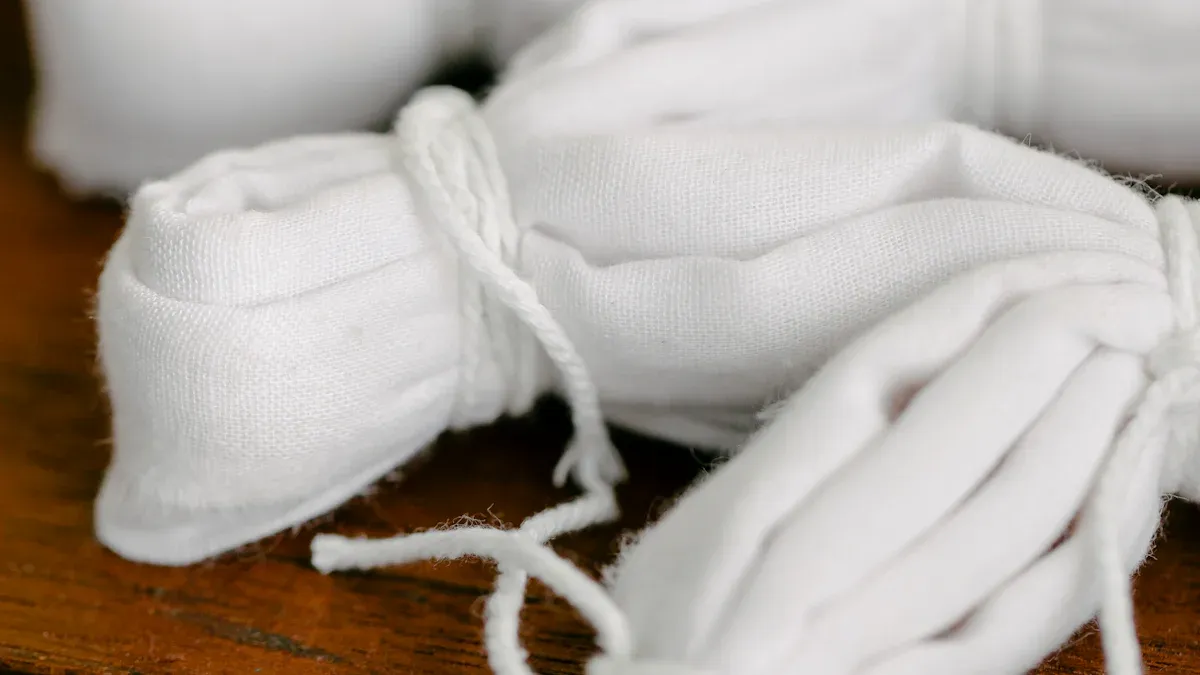
You might wonder, can you put ski socks in the dryer? The answer depends on the type of socks you have and how much you want to protect them. Dryers can make life easier, but they also bring risks, especially for wool and merino socks. Let’s look at when it’s safe and when you should skip the dryer.
If you check the care label and it says you can use a dryer, you still need to be careful. Most high-quality socks can handle medium heat, but you should always avoid high temperatures. High heat can damage elastic fibers and cause shrinkage, especially in wool or specialty socks. Synthetic socks dry faster and can handle a bit more heat, but natural fibers need gentle care.
Here’s what you should do if you decide to use a dryer:
Always read the care label first. Only use the dryer if it says it’s safe.
Choose low heat sources or a wool-specific setting if your dryer has one.
Remove socks as soon as they are dry. Don’t let them overheat.
For synthetic socks, you can use a medium setting, but still avoid high temperatures.
Tip: If you want to keep your socks soft and fitting well, stick to low heat sources and gentle cycles.
Can you put ski socks in the dryer every time? Not really. There are times when you should skip the dryer to keep your socks in top shape. Wool and merino socks do best when you air dry them. Experts say you should avoid high temperatures and use air drying to prevent shrinkage and keep the fibers strong.
Here are some times to avoid the dryer:
Your socks are made of wool or merino. Air dry only to prevent shrinkage.
The care label does not say it’s safe to use a dryer.
You want your socks to last longer and stay soft.
You notice your socks losing shape or feeling rough after drying.
Note: Experts recommend washing ski socks at low temperatures and turning them inside out. This helps keep them clean and protects the fibers.
Can you put ski socks in the dryer? Sometimes, but you should always avoid high temperatures and use the gentlest settings. When in doubt, air drying is the safest choice for all your ski socks.
You want your ski socks to feel good every time you wear them. To maintain softness, always wash your socks with a gentle, soap flake-based detergent. Products like Nikwax Tech Wash work well. Avoid fabric softeners, conditioners, or bleach. These can damage the fibers and reduce the quality of your socks. Washing on a gentle cycle and at a low temperature helps keep the softness and fit. Eco-friendly detergents are a smart choice. They do not have dyes or fragrances that can irritate your skin or harm the fabric. After washing, use the right hanging methods. Lay your socks flat or drape them over a rack. This helps maintain softness and keeps the shape just right.
Tip: Never wring out your socks. Gently press out water with a towel to protect the quality and softness.
You want your socks to last through many ski trips. Good care makes a big difference. Store your socks in a dry, cool place. Avoid stuffing them in tight spaces. This keeps the fibers strong and helps maintain softness. Always use proper ventilation when drying your gear. This stops moisture from building up and keeps your socks fresh. The right hanging methods, like laying socks flat, prevent stretching and help your socks keep their shape. If you dry ski gear with care, you avoid common drying mistakes that can lead to holes or worn spots. Remember, quality socks need gentle care to stay durable.
Sometimes you need your socks dry fast. You might think about using a radiator or hair dryer, but these can cause problems. Quick heat can lead to mold growth and even release dangerous spores into the air. This can cause health issues like fatigue, flu-like symptoms, or even serious lung problems. Instead, use proper ventilation to speed up drying. Place your socks in a well-ventilated area and use a fan if needed. Avoid common drying mistakes like using high heat or leaving socks damp. Drying your gear safely keeps the softness and quality of your socks.
Note: Always check your socks for dryness before storing them. Damp socks can lose softness and develop odors.
| Care Step | Why It Matters | What to Avoid |
|---|---|---|
| Gentle detergent | Maintains softness | Fabric softener, bleach |
| Proper ventilation | Prevents mold, odors | Radiators, hair dryers |
| Right hanging methods | Keeps shape and fit | Wringing, stretching |
You want your ski socks to stay soft and last for many ski trips. Air drying is the safest way to protect them. If you follow gentle drying methods, you keep your socks comfy and strong. Textile experts say that sock durability depends on wear resistance, fiber structure, and construction. Check out this table:
| Key Factors --- Description | | Wear Resistance --- Socks need to resist abrasion on the heel, sole, and toes. | | Fiber and Yarn Structure --- Strong fibers and tight knits help socks last longer. |
You can also look for socks with combed cotton, advanced yarns, and tight weaving. Avoid high heat and wringing. Stick with these tips, and your socks will always feel great!
You should avoid drying your ski socks on a radiator. The heat can shrink the fibers and make them stiff. Air drying works best for keeping your socks soft and comfy.
Most ski socks take about 8 to 12 hours to air dry. Thicker wool socks may need more time. Place them in a well-ventilated area for faster results.
If your socks still smell, try washing them again with a gentle detergent. Make sure you dry them completely. Damp socks can trap odors and bacteria.
You should not use a hair dryer. The hot air can damage the fibers and cause shrinkage. Stick with air drying or use a fan for a safer option.
Lay your socks flat to dry.
Avoid hanging or wringing them.
Gently reshape them after washing.
These steps help your socks keep their fit and last longer.


