Foshan Mingjun Textile Company Ltd.

Views: 0 Author: Site Editor Publish Time: 2025-10-26 Origin: Site
When you think about what socks for skiing, you want the best material on your feet. Merino wool or merino wool blends top the list. These materials keep your feet warm and dry, even when the weather turns icy. Studies show that the right socks help your feet stay comfortable by acting as insulation barriers. They keep air moving, wick away sweat, and stop heat and moisture from building up. This means fewer blisters and happier feet on the slopes.
Choose merino wool or synthetic blends for the best skiing socks. They provide warmth, moisture control, and comfort.
Look for socks with extra padding in the toe and heel. This helps keep your feet warm and reduces the risk of blisters.
Avoid cotton socks. They retain moisture, making your feet cold and increasing the chance of blisters.
Select mid-weight socks for a balance of warmth and fit. Thick socks can crowd your boots, while thin socks may not provide enough insulation.
Always wash your ski socks after each use. This keeps them clean and helps maintain their quality for longer-lasting comfort.
You want your feet to stay warm when you hit the slopes. The right sock material acts like a cozy blanket for your toes. Merino wool stands out because it traps heat well, even if your socks get a little damp. Synthetic fibers, like nylon and Lycra, also help keep your feet warm, but they work best when paired with wool. If your feet get cold, your whole body can feel uncomfortable. That is why picking the right material is so important for your ski day.
Tip: Look for socks with extra padding in the toe and heel. This padding adds insulation and keeps your feet warmer for longer.
Skiing makes you sweat, even in freezing weather. Wet feet can lead to blisters and cold toes. Merino wool absorbs some moisture but dries quickly. Synthetic blends, like nylon, are even better at pulling sweat away from your skin. This keeps your feet dry and helps prevent chafing. When you ask what socks for skiing, always think about how well they handle moisture.
Here is a quick comparison:
| Material | Warmth | Moisture-Wicking | Drying Speed |
|---|---|---|---|
| Merino Wool | High | Good | Moderate |
| Synthetic | Good | Excellent | Fast |
| Cotton | Low | Poor | Slow |
Comfort can make or break your day on the mountain. Socks that fit well stop your feet from sliding around in your boots. Good materials, like merino wool and synthetics, stretch to match your foot shape. They also help prevent blisters by reducing friction. Some ski socks even use compression to boost blood flow and cut down on muscle fatigue. When your socks fit right, you can focus on having fun instead of worrying about sore feet.

Choosing the right material makes a huge difference when you want the best ski socks. Let’s break down the most common materials you’ll find and see how they stack up for warmth, moisture control, and comfort.
You’ll see merino wool at the top of almost every list for what socks for skiing. This natural fiber stands out for its warmth and comfort. Merino wool keeps your feet cozy, even if your socks get a little wet. It also helps your feet stay dry by pulling sweat away from your skin. You won’t have to worry about smelly feet either, since merino wool fights odors.
Here’s a quick look at the advantages and disadvantages:
| Advantage | Description |
|---|---|
| Temperature Regulation | Keeps you warm in the cold and cool in warmer conditions. |
| Moisture Wicking | Pulls sweat away from your skin, so your feet stay dry. |
| Odor Resistance | Stops bad smells, even after a long day on the slopes. |
| Softness and Comfort | Feels soft and never itchy, so you can wear it right against your skin. |
| Eco-Friendly | Comes from a renewable source, making it better for the planet. |
| Disadvantage | Description |
|---|---|
| Cost | Costs more than synthetic socks, but you get great quality. |
| Durability | Can wear out faster than synthetics, especially if you don’t take care of them. |
| Care Requirements | Needs gentle washing to last longer. |
You might notice that some lightweight merino socks wear out quickly, but brands like Darn Tough use high-density knitting to make their socks last much longer. That’s why many skiers trust Darn Tough for their ski and snowboard socks.
Merino wool is also a top pick for warmth. It insulates well and keeps your feet comfortable, even if you sweat. While it dries slower than synthetics, it still manages moisture better than most other natural fibers.
Synthetic blends are another popular choice for the best ski socks. These socks often mix nylon, polyester, and spandex to create a strong, stretchy, and comfortable fit. Most top-rated ski socks use either merino wool or synthetic blends.
Here’s what you get with synthetic blends:
Excellent at wicking away moisture, so your feet stay dry.
More durable than wool, so they last longer and handle rough use.
Quick to dry, which is great if you sweat a lot or ski for hours.
Often cost less than merino wool socks.
But there are a few downsides. Synthetic socks don’t keep you as warm as wool if they get wet. They also might not fight odors as well as merino wool, unless they use special treatments.
Let’s compare merino wool and synthetic blends:
| Feature | Merino Wool | Synthetic Blends |
|---|---|---|
| Durability | Needs gentle care; can wear out. | Tougher; handles washing and wear. |
| Moisture-wicking | Good, but dries slower. | Excellent; dries fast. |
Synthetic blends often include nylon, which helps the socks keep their shape and last longer. You’ll find that many brands use 15-50% nylon in their socks for this reason.
Silk might sound fancy, but it’s not the best choice for what socks for skiing. Silk feels soft and light, and it does a decent job at wicking moisture. However, it doesn’t keep your feet as warm as merino wool or top synthetic blends. Silk also doesn’t dry as quickly as synthetics, so your feet might feel damp if you sweat a lot.
Some people use silk liners under thicker socks for extra comfort, but on its own, silk isn’t warm enough for most ski days. If you want socks that handle moisture and keep you warm, stick with merino wool or synthetic blends.
Cotton is one material you should avoid for skiing. It might feel soft at first, but cotton soaks up sweat and holds onto it. This means your feet get wet, cold, and uncomfortable fast. Wet cotton socks also cause blisters and don’t protect your shins from ski boots.
Here’s why cotton doesn’t work for skiing:
| Risk | Description |
|---|---|
| Moisture retention | Cotton holds water, so your feet stay wet and cold. |
| Increased blisters | Wet socks rub against your skin, causing painful blisters. |
| Insufficient protection | Cotton socks are usually too short and thin for ski boots. |
If you want to enjoy your day on the slopes, skip cotton and choose socks made from merino wool or synthetic blends. These materials give you the warmth, dryness, and comfort you need for the best ski experience.
Tip: When you shop for ski and snowboard socks, look for merino wool or synthetic blends. These materials offer the best mix of warmth, durability, and moisture control.
When you pick what socks for skiing, thickness matters a lot. Mid-weight socks give you the best balance between warmth and fit. Thick socks might seem like a good idea, but they can crowd your boots and make your feet feel squished. Thin socks work well if you want more sensitivity and already have warm boots. Many professional ski instructors suggest trying socks with your boots before you hit the slopes. This helps you find the right thickness for foot comfort and performance.
Tip: Choose socks with medium cushioning for most ski days. They keep your feet warm without making your boots too tight.
You want your ski socks to reach over your calf. Over-the-calf socks protect your legs from rubbing against your boots. They also keep snow out and help you stay warm. Ski boot makers say this length stops socks from bunching up or sliding down. You get better coverage, and your legs feel more comfortable all day.
They prevent chafing and bunching.
They help block snow from getting inside your boots.
A snug fit is key for what socks for skiing. Loose socks can wrinkle and cause blisters. Socks that are too tight might cut off circulation. Look for socks that hug your feet but don’t squeeze. Many ski and snowboard socks use stretchy materials to fit the shape of your foot. This helps you feel every movement and keeps you in control on the mountain.
Everyone has their own favorite style. Some skiers like thicker socks for cold days, while others pick thin socks for spring skiing. Many experienced skiers look for socks with moisture-wicking and targeted cushioning. Try different types to see what feels best for you. High-quality socks designed for skiing always beat regular socks when it comes to warmth and comfort.
Remember, the right socks can make a huge difference in your ski day. Choose what feels best for your feet and the conditions.
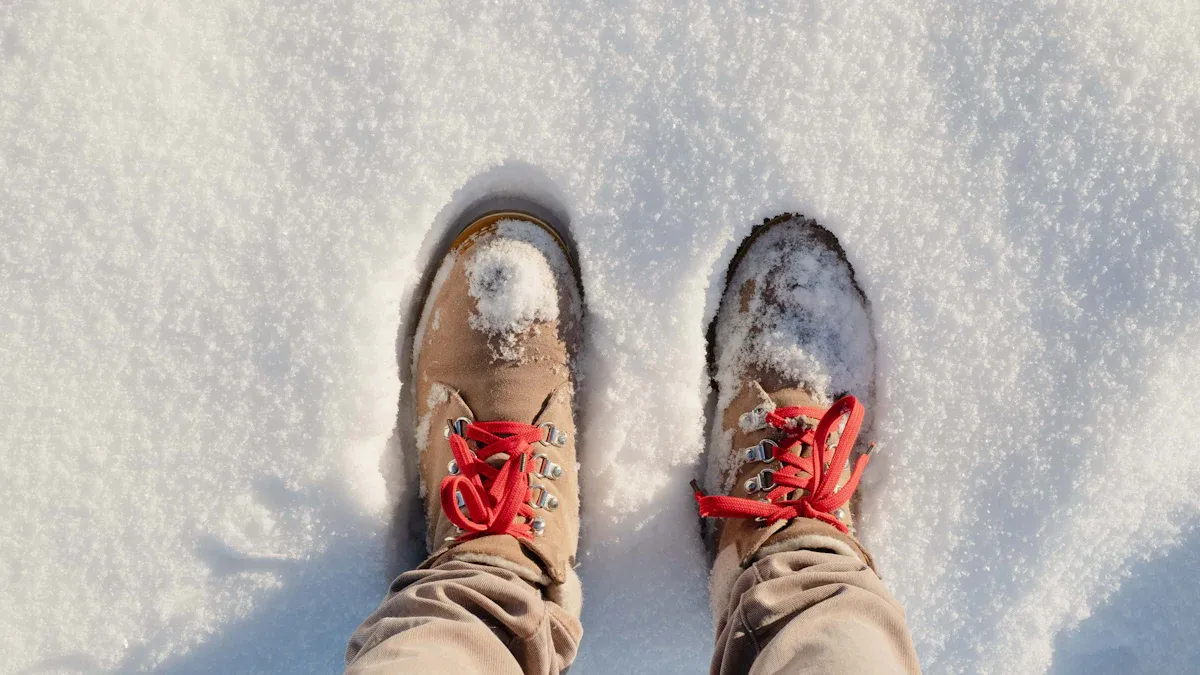
You want ski socks that last through many runs and washes. Durability depends on several things, like the materials used and how the socks are made. Product testers look at fiber content, abrasion resistance, color fastness, and comfort. Here’s a quick table to show what matters most:
| Feature | Description | Importance |
|---|---|---|
| Material Composition | Checks fiber quality and blend. | Makes sure socks meet needs for warmth and dryness. |
| Abrasion Resistance | Tests how well fabric stands up to rubbing and pressure. | Shows how long socks will last in boots. |
| Color Fastness Tests | Looks at color staying power after washing and sunlight. | Keeps socks looking good and prevents fading. |
| Fit and Comfort Evaluation | Measures stretch and seam comfort. | Helps socks fit well and feel good all day. |
A strong sock construction with reinforced heels and toes can help your socks survive tough days on the mountain.
Dry feet feel better and stay warmer. The best ski socks use special materials and designs to pull sweat away from your skin. Here are some top moisture-wicking features:
Merino wool repels water and fights bacteria.
Synthetic blends mix natural and man-made fibers for better moisture control.
Mesh construction lets air flow and helps sweat dry faster.
You should always look for socks with these features if you want to avoid soggy, cold feet.
Tip: Socks that wick moisture keep your feet dry and help prevent blisters.
Blisters can ruin your day on the slopes. Good ski socks use smart design to protect your skin. Studies show that moisture management, sock thickness, and the right materials all help stop blisters. Here’s what works:
| Design Element | How It Helps Prevent Blisters |
|---|---|
| Moisture Management | Keeps feet dry, lowering blister risk. |
| Material Properties | Socks that keep their shape and resist flattening protect your skin. |
| Sock Thickness | Thicker socks absorb rubbing and let your skin move safely. |
Some socks, like the Swiftwick Aspire Twelve, reduce blisters when you try new boots. Others, such as the Dissent Ski Pro Fit Compression Nano Tour, use slippery fibers to stop hot spots. When you pick socks, check for features that help with moisture and cushion. This way, you can ski longer without sore feet.
You want ski socks that keep your feet warm, dry, and comfortable. Merino wool or merino wool blends give you the best results. Check out this quick table to see why:
| Material | Benefits |
|---|---|
| Merino wool | Warm, soft, moisture-wicking, odor-resistant |
| Synthetic | Durable, quick-drying, lightweight |
Pick socks with the right thickness and fit for your boots. Try different styles until you find what feels best. Quality socks make every run smoother and help you enjoy your time on the mountain.
Merino wool feels softer and less itchy than regular wool. It keeps your feet warm and dry. You can wear it all day without feeling uncomfortable. Merino wool also fights odors, so your socks smell fresh longer.
You should wear only one good pair of ski socks. Two pairs can cause your boots to fit too tight. This can make your feet cold and give you blisters. Choose one pair made from merino wool or a synthetic blend.
Wash your ski socks after each day on the slopes. This keeps them clean and helps them last longer. Always follow the care instructions on the label. Air-dry your socks to keep them in good shape.
High-quality ski socks last longer and feel better. They keep your feet warm, dry, and comfortable. Cheaper socks may wear out fast or cause blisters. Investing in good socks can make your ski days much more fun!


