Foshan Mingjun Textile Company Ltd.

Views: 0 Author: Site Editor Publish Time: 2025-10-20 Origin: Site
When you wonder what socks for skiing work best, you want to look for merino wool or synthetic blends. These materials keep your feet dry because they wick away sweat and help regulate temperature. Cotton is not a good choice since it traps moisture and can make you cold. The right socks fit snugly, feel thin, and help you stay comfortable and warm all day. With the ideal socks for skiing, you boost comfort, warmth, and performance. Picking what socks for skiing can make or break your day, so choose what socks for skiing that support your adventure. Always remember what socks for skiing matter, and the right socks make all the difference.
Choose ski socks made from merino wool or synthetic blends. These materials keep your feet warm and dry by wicking away sweat.
Fit and thickness matter. Look for socks that hug your feet without being too tight. Thin to medium thickness usually works best for comfort and control.
Moisture control is essential. Good ski socks pull sweat away from your skin to prevent cold, clammy feet and blisters.
Sock height is important. Knee-high socks protect your legs and keep you warm. Avoid crew or ankle socks for skiing.
Take care of your socks. Wash them gently, air dry them, and store them properly to make them last longer.
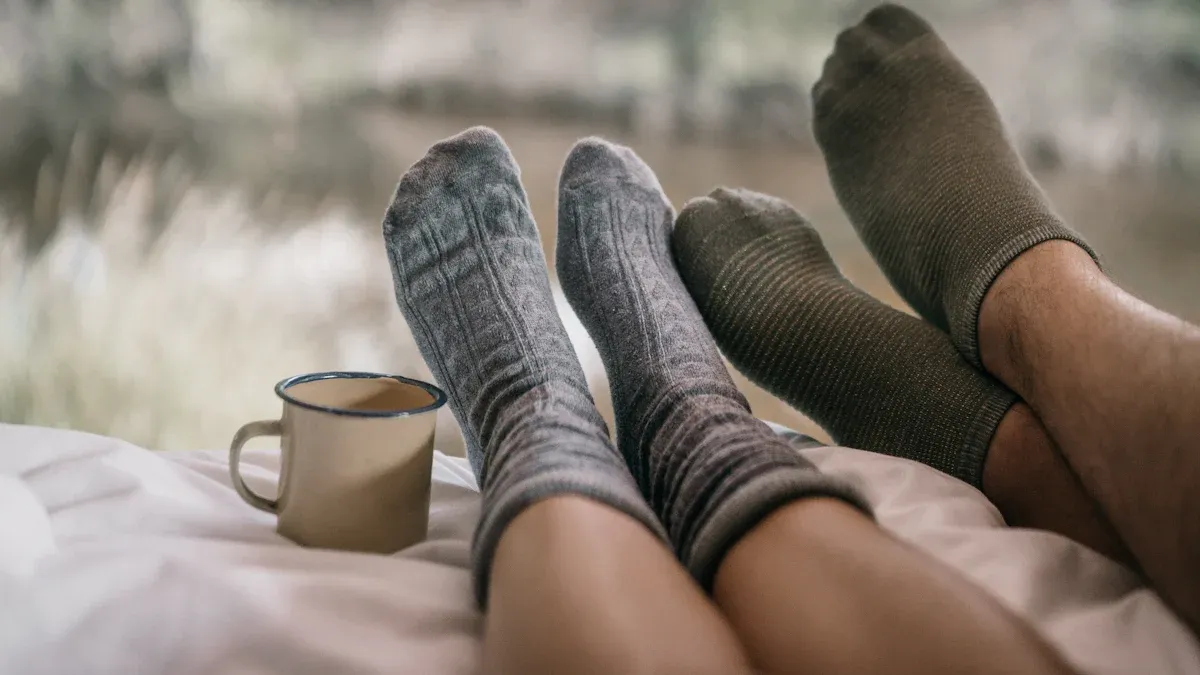
When you pick ski socks, the material matters most. You want socks that keep your feet warm, dry, and comfortable all day. Merino wool and synthetic blends are the top choices for both ski socks and snowboard socks. They help you stay warm and wick away sweat, so your feet do not get cold or clammy. Cotton does not work well because it traps moisture and makes your feet cold fast.
Here’s a quick look at the most common materials:
| Material | Advantages | Disadvantages |
|---|---|---|
| Synthetic Blends | Soft finish, excellent temperature regulation, no itch technology, lightweight, sustainable source | N/A |
| Merino Wool | Natural temperature regulation, superior odor control, UV protection, wrinkle-resistant | N/A |
You will also find recycled nylon and polyester in some socks. These materials help the environment by reducing waste and lowering emissions. Merino wool often comes from farms that follow animal welfare standards, so you can feel good about your choice.
The fit of your ski socks or snowboard socks can make or break your day on the mountain. You want a proper fit that hugs your foot and calf without bunching or slipping. If your socks are too loose, you might get blisters. If they are too tight, your feet can go numb.
Thickness is just as important. Thicker socks may seem like they offer more warmth, but they can squeeze your feet and cut off blood flow. This can actually make your feet colder. Thinner socks give you better control and feel inside your boots, but they might not keep you as warm in freezing weather. Most skiers find that thin to medium thickness works best for both warmth and performance.
Tip: Try on your ski socks with your boots before you hit the slopes. This helps you check the fit and comfort.
Moisture-wicking is a must for ski socks and snowboard socks. When you ski, your feet sweat, even in cold weather. If your socks do not pull that sweat away, your feet get wet and cold. Modern synthetic fibers like nylon and Lycra do a great job at moving moisture away from your skin. Merino wool also handles sweat well and keeps your feet dry.
Ski socks have come a long way with new fabric technology.
Moisture-wicking keeps your feet from feeling clammy or irritated.
Synthetic fibers often beat organic fibers for moisture control.
When your socks manage moisture well, you avoid blisters and enjoy better comfort and performance all day.
Sock height matters more than you might think. You want your ski socks to reach just below your knee. This height protects your skin from rubbing against your boots and keeps your legs warm. Crew or ankle socks do not offer enough coverage for skiing or snowboarding. Always choose knee-high socks for the best warmth and protection.
Modern ski socks and snowboard socks come packed with special features to boost your performance and comfort. Some socks have padding in the shins, heels, and toes to absorb impact and reduce pressure from your boots. Others use light compression around the calf and arch to give you more stability and support.
Targeted padding zones cushion your feet where you need it most.
Compression zones help with blood flow and reduce fatigue.
Cushioned front panels spread out boot pressure for extra comfort.
You will also see cool technologies like mesh zones for breathability, Indestructawool™ for durability, and Shred Shield™ to stop holes in the toes. Some brands even make socks just for women, with a slimmer heel and special ventilation.
If you want socks that last, look for brands like Smartwool, Darn Tough, and Farm to Feet. Smartwool stands out for comfort and warmth. Darn Tough is famous for durability. Farm to Feet uses sustainable materials and offers a great fit.
Choosing the right ski socks means you get warmth, comfort, and top performance every time you hit the slopes.
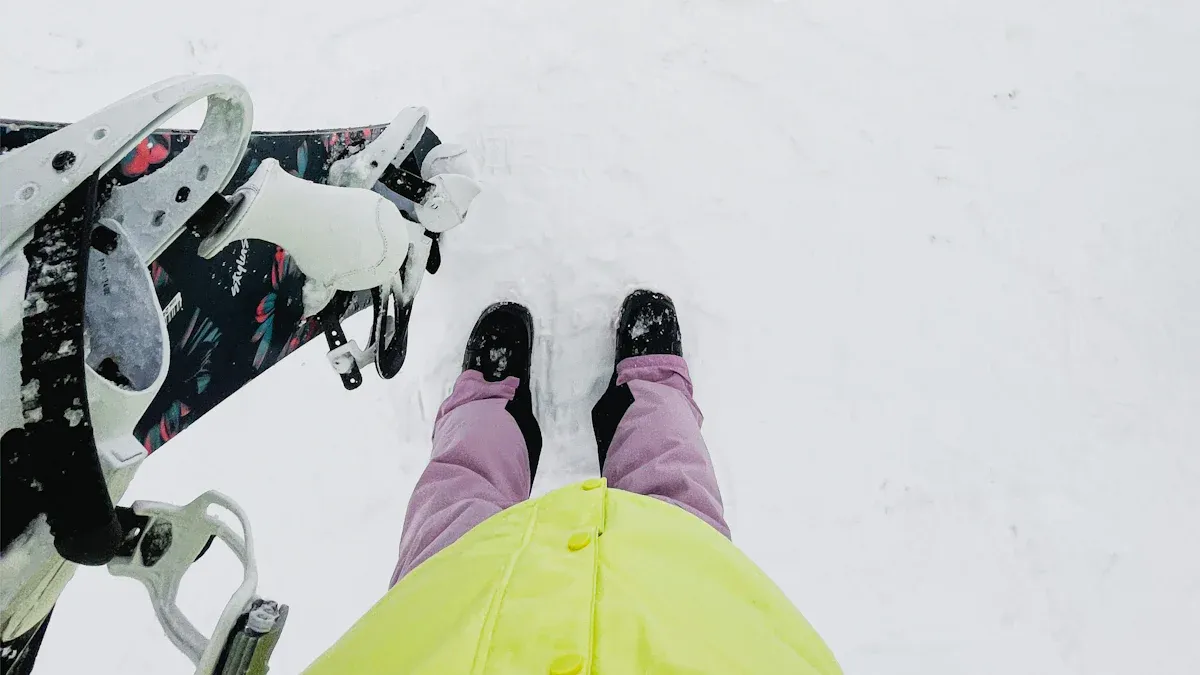
When you pick ski socks, start by thinking about your skiing style and the weather. Do you ski fast and hard, or do you like to take it slow? Are you heading out on a cold morning or catching some spring sunshine? Your answers help you find the right socks for your feet.
Here’s a quick table to help you match sock types to weather:
| Sock Type | Weather Condition | Key Features |
|---|---|---|
| Lightweight | Mild weather | Less insulation, more breathability |
| Midweight | Cool to cold weather | Balanced insulation and breathability |
| Heavyweight | Very cold weather | More insulation for warmth |
| Merino Wool | All conditions | Moisture-wicking, retains heat even when wet |
Merino wool works well in all conditions. It keeps your feet warm, even if your socks get wet. It also helps manage sweat and odor, so you stay comfortable all day.
You want ski socks that match your needs for warmth, moisture control, and foot comfort. Look for socks made from merino wool or synthetic blends. These materials wick away sweat and keep your feet dry. Avoid cotton because it traps moisture.
Check the fit. Socks should hug your feet and calves without bunching or slipping. Anatomically shaped socks help prevent blisters and make your boots feel better. Compression features can boost blood flow and reduce muscle fatigue. Cushioning adds comfort, especially if you ski for hours.
Tip: Always bring your ski socks when you try on new boots. This helps you get the best fit.
Never wear two pairs of socks. Double layering can make your boots tight, cut off blood flow, and cause blisters. One good pair of ski socks is all you need.
Here are some tips for buying the best socks:
Choose socks with seamless toes and elastic arches for extra comfort.
Pick socks with advanced materials like merino wool for warmth and moisture control.
Test the fit in your boots before you buy.
Expect to pay $29 to $60 for high-quality socks. Features like cushioning, durable materials, and special fit systems make them worth the price.
If you follow these tips, you’ll find ski socks that keep your feet happy and help you enjoy every run.
You want your ski socks to last and perform well, so washing them the right way matters. Start by turning your socks inside out. This helps remove dirt and keeps the outside looking good. Always use cold water and set your washing machine to a gentle cycle. Pick a mild detergent with a neutral pH. Stay away from bleach and fabric softeners because they can break down the fibers and stop your socks from wicking away moisture.
Tip: Always check the care label before you wash. Some socks need special care to keep their shape and stretch.
How you dry your socks can make a big difference. Air drying is the best choice. It helps your socks keep their shape and elasticity. Just lay them flat or hang them up in a well-ventilated area. Air drying also saves energy and is better for the planet. If you need to use a dryer, pick a low or medium heat setting. Never overload the dryer, and take your socks out while they are still a little damp. This helps prevent shrinking and keeps the fibers strong.
Air drying keeps socks from getting stiff or losing stretch.
High heat in a dryer can damage both synthetic and natural fibers.
You can make your ski socks last longer with a few simple habits. Choose socks with seamless toes and reinforced heels and toes. These features cut down on friction and wear. Wash your socks gently and always air dry when you can. Store them flat or rolled up to avoid stretching. Keep them away from velcro and zippers to prevent snags. Rotate your socks so each pair gets a break between uses.
Check your socks every few months. If you see stretched-out elastic, thin spots, or holes, it’s time for a new pair. Fresh socks keep your feet comfortable and ready for the slopes.
If you want the best experience on the slopes, choose ski socks made from top materials. Check out this table to see what makes each one special:
| Material | Benefits |
|---|---|
| Merino wool | Soft, warm, moisture-wicking |
| Nylon | Durable, quick-drying |
| Synthetic | Lightweight, good insulation |
You get more comfort and warmth when you pick socks with a snug fit and moisture control. High-quality socks help you ski longer and enjoy every run. Take care of your socks, and they will last season after season.
You feel better with proper fit and cushioning
Dry feet mean more fun on the mountain
Warmth keeps you focused on skiing
You should not wear two pairs. Double layers can cause blisters and make your boots too tight. One good pair of ski socks works best for warmth and comfort.
Pick thin to medium-thick socks. Thick socks can cut off blood flow and make your feet cold. Thin socks give you better control and keep your feet warm when made from the right material.
Turn your socks inside out. Use cold water and a gentle cycle. Pick a mild detergent. Skip bleach and fabric softener. Air dry your socks to keep them in good shape.
Ski socks use special materials like merino wool or synthetics. They wick away sweat, fit snugly, and reach your knees. Regular socks do not offer these features and can make your feet cold or sore.
Yes! Good ski socks fit snugly and wick away moisture. This helps stop blisters from forming. Look for socks with seamless toes and padding in key spots.


