Foshan Mingjun Textile Company Ltd.

Views: 0 Author: Site Editor Publish Time: 2025-10-25 Origin: Site
If you’re asking what socks for skiing are best for beginners, you should always choose thin ski socks. When deciding what socks for skiing to wear, thin socks give you a snug fit, keeping your feet comfortable and warm all day. Wondering what socks for skiing help prevent blisters? Thin socks are the answer—they stop bunching inside your boots and let your blood flow freely, so your toes stay warm even in the cold. Still unsure what socks for skiing keep your feet dry? Thin socks made with modern fibers wick away sweat, so your feet never feel clammy or itchy. Check out this quick guide to see why thin socks are the top choice when you’re deciding what socks for skiing to pick:
| Benefit | Explanation |
|---|---|
| Comfort | Thin ski socks fit well and prevent blisters from bunching. |
| Warmth | Modern thin socks keep your feet warm without extra bulk. |
| Moisture-wicking | They wick sweat away so your feet stay dry and comfortable. |
| Fit | Thin socks help your boots fit properly and keep your feet from going numb. |
| Performance | You get better control and feel for your skis when you choose thin socks. |
Choose thin ski socks for a snug fit. They help prevent blisters and keep your feet comfortable all day.
Look for socks made from merino wool or synthetic blends. These materials wick away moisture and keep your feet warm and dry.
Avoid wearing two pairs of socks. This can restrict blood flow and make your feet cold and uncomfortable.
Always try on socks with your ski boots before buying. Ensure they feel snug but not tight for the best fit.
Stick with trusted brands like Smartwool or Darn Tough. They offer quality socks that enhance your skiing experience.
When you first try on ski boots, you might notice they feel snug. That’s normal! The right sock thickness can make a huge difference in how comfortable your boots feel. Many beginners think a thicker sock means more comfort, but that’s not always true. In fact, a thinner sock often gives you a better fit and helps you avoid blisters or sore spots.
Wearing the right socks makes a much bigger difference than many beginner skiers expect, as it is the only thing between you and your ski boots. Counterintuitively thicker isn’t always better, and a thin to medium thickness merino sock will usually provide the greatest combination of warmth and comfort. In term of thickness we recommend keeping your socks consistent, as if you have a thin pair one day and a thick pair the next you will find that your boots fit tighter and then looser, which leads to reduced comfort and control. It's also important to note that you should never wear two pairs of socks in your boots, as this will lead to circulation issues and ultimately cold feet.
You might run into some common problems when picking socks for skiing:
Ski boots feel too tight, especially if you’re not used to them.
Thick socks can make your boots even tighter.
You may worry about warmth and circulation.
If you want your boots to fit just right, stick with a thinner sock. This helps your feet stay comfortable and gives you better control on the slopes.
You want your feet to stay warm, but piling on thick socks isn’t the answer. Thick socks can actually squeeze your feet, making them colder by cutting off blood flow. Instead, look for socks made from wool, especially merino wool. These socks keep your feet warm and dry without adding bulk.
Here’s a quick look at how sock thickness affects warmth and circulation:
| Sock Thickness | Effect on Warmth | Effect on Blood Circulation |
|---|---|---|
| Thicker Socks | Can lead to cold feet due to compression | Negatively affects blood flow |
| Medium Weight | Provides warmth without compromising circulation | Promotes better blood flow |
Wool, especially merino, is great for insulation. The higher the wool content, the warmer your feet will feel. Merino wool also feels soft and wicks away sweat, so your feet stay dry and cozy all day.
If you want to avoid cold toes, focus on good materials and the right thickness—not just piling on layers. Your feet will thank you!
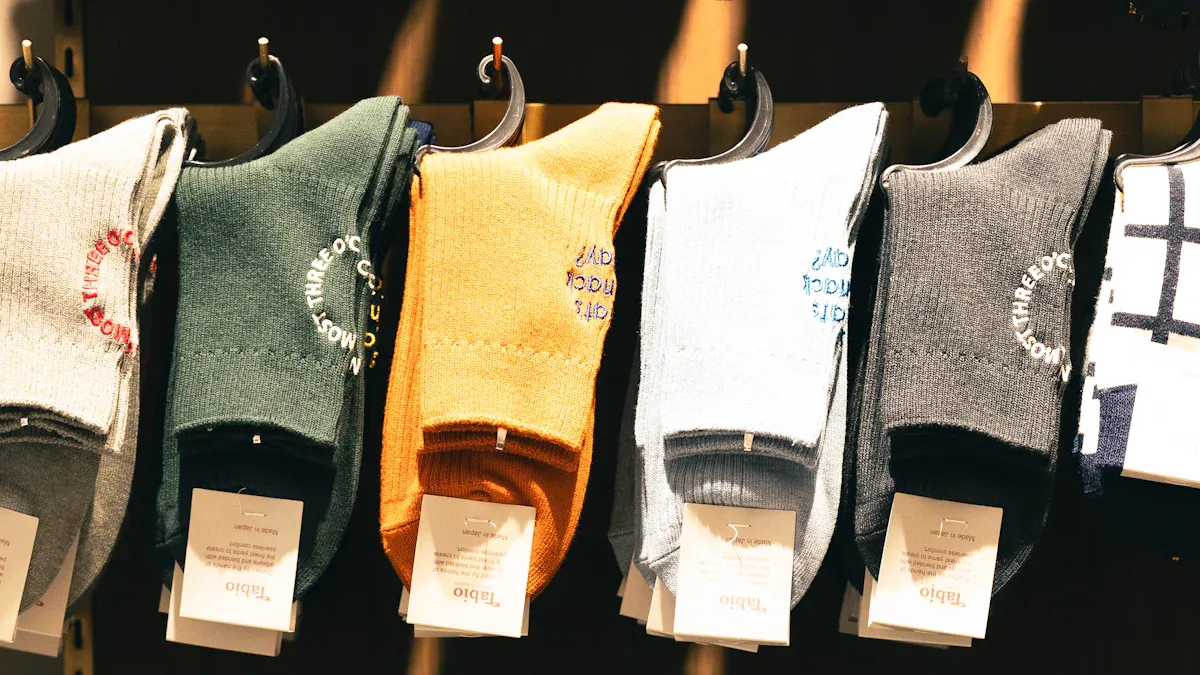
When you stand in the ski shop, you might wonder if you should grab thick, fluffy socks or stick with thin ones. Both types have their own pros and cons, especially for beginners. Let’s break it down so you can make the best choice for your first day on the slopes.
Thin ski socks are the top pick for most beginners. They give you a snug fit inside your ski boots, which is super important. When your socks are thin, your boots can wrap around your feet just right. This helps you control your skis better and keeps your feet from sliding around.
Here’s what you’ll like about thin ski socks:
You get a close fit, so your boots feel more comfortable.
Thin socks help your blood flow, which keeps your toes warm.
They don’t bunch up, so you avoid blisters and hot spots.
Modern thin socks still have some cushioning, so you don’t feel every bump.
But thin socks aren’t perfect for everyone. You might notice a few downsides:
Some thin socks don’t have enough padding, so your feet can get sore after a long day.
If you ski in very cold weather, thin socks might not keep your feet warm enough.
You may feel less insulation if you stand around in the snow for a long time.
Tip: If you want the best of both worlds, look for thin socks made with merino wool. They keep your feet warm and dry, even if the socks feel light.
Thick ski socks look cozy, but they can cause problems for new skiers. Many beginners think thick socks mean more comfort and warmth. In reality, thick socks can make your boots feel too tight. This squeezes your feet and actually makes them colder.
Here’s what can happen with thick ski socks:
Your boots might feel too tight, which cuts off blood flow and makes your feet cold.
Thick socks can bunch up inside your boots, causing blisters or sore spots.
You may start sweating more, which leads to damp, uncomfortable feet.
Wearing two pairs of socks can make things worse by restricting circulation even more.
Still, thick socks have a few good points:
They can feel soft and cushy when you first put them on.
If you have old, loose boots, thick socks might help fill the extra space.
But for most beginners, thick socks cause more trouble than they solve. You want your boots to fit just right, not too tight or too loose.
| Sock Type | Pros | Cons |
|---|---|---|
| Thin Socks | Better fit, good blood flow, less bunching | Less padding, may feel cold in extreme weather |
| Thick Socks | Soft, can fill loose boots | Poor fit, reduced circulation, more blisters |
Remember: The right socks can make or break your ski day. Thin socks usually give you the best mix of comfort, warmth, and control—especially if you’re just starting out.
When you pick ski socks, you want them to fit snugly. Loose socks bunch up and cause blisters. Socks that are too tight cut off circulation and make your feet cold. The best way to check sock thickness and cushioning is to try your socks on with your ski boots before you hit the slopes. This helps you find the right fit and keeps your feet happy all day.
You should look for socks made from merino wool or synthetic blends. Merino wool feels soft and keeps your feet warm, even when it gets wet. Synthetic blends add durability and help the socks last longer. Cotton socks are not a good choice because they hold moisture and make your feet cold and uncomfortable.
Here are the top features to look for:
Not too tight, so your toes stay warm
Synthetic blends for durability and a good fit
| Material | Warmth | Moisture Management | Durability | Comfort |
|---|---|---|---|---|
| Merino wool | High | Excellent | Good | Soft |
| Synthetic blends | Medium | Good | Excellent | Smooth |
| Cotton | Low | Poor | Poor | Rough |
Tip: Always test your socks with your ski boots before you buy them. This helps you find the perfect fit and avoid surprises on the mountain.
Moisture management is super important when you ski. Most of the moisture in your boots comes from sweat, not snow. If your socks don’t wick away sweat, your feet get wet and start to rub against your boots. This leads to blisters and sore spots. Merino wool and synthetic blends do a great job at keeping your feet dry.
Moisture-wicking socks pull sweat away from your skin. This keeps your feet dry and comfortable. Dry feet mean less friction and fewer blisters. You want socks with good cushioning, too. Extra padding helps spread out pressure and keeps your feet from getting sore. Cushioning also helps you stay comfortable all day, especially if you’re new to skiing.
Here’s what you should look for:
Moisture-wicking fibers to keep feet dry
Merino wool for warmth and moisture control
Synthetic blends for added strength
Note: About 90-95% of moisture in ski boots comes from sweat. Dry socks help you avoid blisters and enjoy your day on the slopes.
Choosing the right socks for skiing can feel confusing. Many beginners make the same mistakes, but you can easily avoid them. Let’s look at the most common problems and how you can keep your feet happy on the slopes.
You might think a thicker sock will keep your feet warmer. In reality, thick socks can cause more trouble than you expect. When you wear a thicker sock, your ski boots feel tighter. This tight fit cuts off blood flow and makes your toes cold. Thick socks also trap more sweat, which leads to damp, chilly feet. If your socks bunch up, you might get blisters or sore spots. Instead, pick socks made for skiing or snowboarding. These socks give you warmth and moisture control without extra bulk.
Tip: Always try your socks with your boots before you hit the mountain. Your feet should feel snug, not squeezed.
Wearing two pairs of socks sounds like a good idea, but it actually causes problems. When you double up, your boots get even tighter. This makes it hard for blood to flow, so your feet get cold faster. Two pairs also trap more sweat, which means your feet stay wet and uncomfortable. You might notice bumps or creases in your socks, making it tough to focus on skiing.
Here’s what can happen if you wear more than one pair:
Blood flow gets restricted, leading to cold toes.
Sweat builds up, making your feet damp.
Creases cause blisters and pain.
You only need one pair of snowboard socks designed for boots. These socks help reduce sweating and keep your toes warm all day.
Cotton socks seem fine for everyday wear, but they don’t work for skiing. Cotton traps moisture and holds onto sweat. Wet socks make your feet cold and increase your risk of blisters. You want to avoid cotton and choose socks made from merino wool or synthetic blends. These materials wick away sweat and keep your feet dry.
Remember: Ski socks and snowboard socks are made for the mountain. Regular tube socks or cotton socks just can’t keep up.
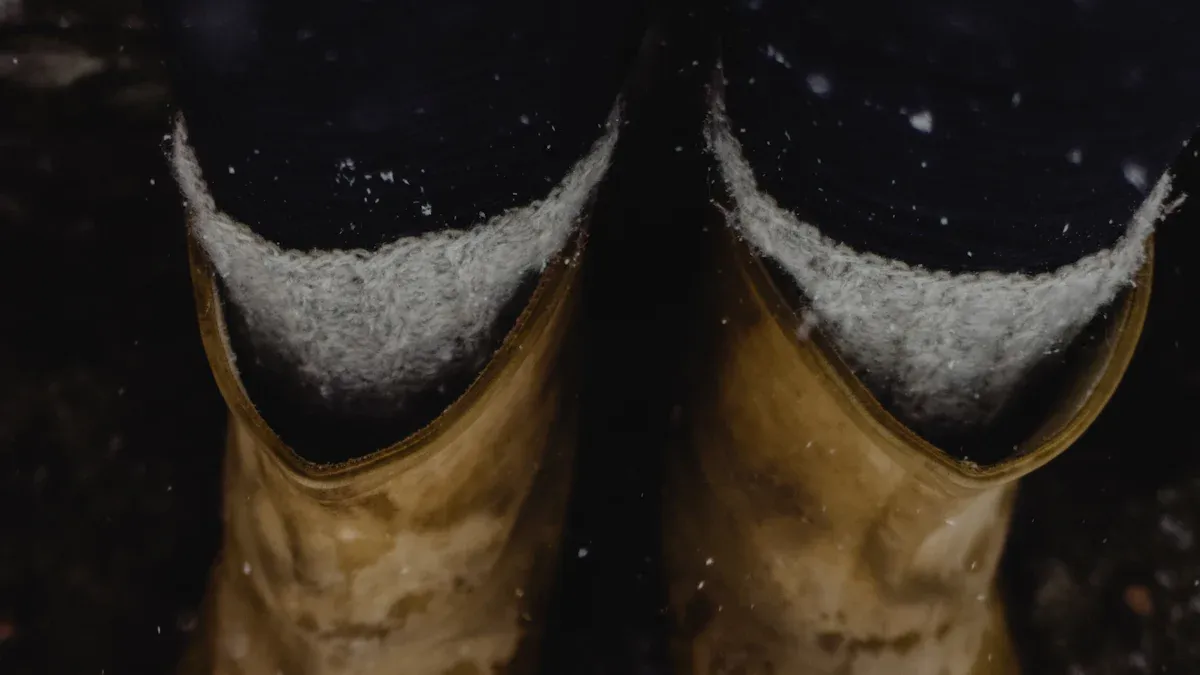
Choosing the right ski sock can make your first day on the slopes much more fun. You want socks that fit well, keep your feet warm, and help you control your skis. Most ski instructors suggest you pick lightweight or light to medium cushion socks. These types give you comfort without making your boots feel too tight.
Here’s a quick table to help you see which types work best:
| Type of Sock | Description |
|---|---|
| Lightweight | Snug fit, does not mess with how your boots fit. |
| Light to Medium Cushion | Soft padding in the heel and toe, but not so thick that it causes problems. |
| Heavy Cushioning | Too bulky for most boots, can make your feet hurt or cold. |
Modern ski boots fit close to your foot. Thick socks can squeeze your toes and stop blood from flowing. That makes your feet cold, not warm. Thinner socks let you move your feet and feel your skis better. You get more control and can react faster on the snow.
When you pick ski socks, remember these three tips:
Never wear two pairs of socks. This can make your feet hurt and get cold.
Go for thinner socks. They help your boots fit right and keep your feet warmer.
Stay away from cotton. Cotton holds sweat and makes your feet cold. Merino wool or synthetic blends work much better.
Tip: Try your socks on with your ski boots before you buy them. Your toes should wiggle, but your feet should not slide around.
You have lots of choices when it comes to brands, but some stand out for beginners. These brands make socks that fit well, last a long time, and keep your feet dry and warm. Here are a few you can trust:
Smartwool: Known for soft merino wool socks that keep your feet warm and dry.
Darn Tough: Offers thin, durable socks with a lifetime guarantee. Many skiers love their comfort.
Icebreaker: Makes lightweight socks from high-quality merino wool. They feel soft and wick away sweat.
CEP: Specializes in socks with a snug fit and light padding. Great for control and comfort.
Bridgedale: Offers light to medium cushion socks that work well for new skiers.
You can find these brands in most ski shops or online. Pick a pair that feels snug but not tight. The right ski sock will help you enjoy your day and focus on learning, not on your feet.
Note: If you stick with thin, well-fitted socks from a trusted brand, you’ll have a much better time on the mountain. Your feet will stay warm, dry, and comfortable all day.
Thin ski socks always work best for beginners because they keep your feet warm, comfortable, and blister-free while letting you control your skis with ease. You’ll avoid cold toes and bunching, so you can focus on having fun and learning new skills. Before you buy, try these quick tips:
Try socks on with your ski boots to check fit and comfort.
Pick socks made from merino wool or synthetic blends.
Make sure your socks feel snug, not tight.
You’ll enjoy every run when your feet feel great!
You want merino wool or synthetic blends. These materials keep your feet warm and dry. Cotton does not work well because it holds moisture. Merino wool feels soft and helps prevent blisters.
No, regular socks do not work for skiing. They bunch up and make your feet cold. Ski socks fit better and keep your feet dry. You will feel more comfortable all day.
Bring at least one pair for each day you plan to ski. If you want a backup, pack an extra pair. Dry socks help you avoid blisters and keep your feet warm.
Your ski socks should feel snug but not tight. Loose socks bunch up and cause blisters. Tight socks cut off blood flow and make your feet cold. Try them on with your boots for the best fit.


