Foshan Mingjun Textile Company Ltd.

Views: 0 Author: Site Editor Publish Time: 2025-08-01 Origin: Site
Have you ever wondered, “why do socks hurt my feet?” You might notice pain or discomfort after a long day, and it’s more common than you think. Socks that don’t fit well—either too tight or too loose—can cause pressure, blisters, or even nail trauma. Podiatric studies show that the wrong socks, especially those made of cotton, trap moisture and make your feet more sensitive to friction and swelling. When you choose socks with the right fit and material, you can prevent most of these problems and keep your feet happy.
Socks that are too tight or too loose can hurt your feet. They can also cause blisters and swelling.
Socks made from materials that hold in moisture, like cotton, can make irritation and fungal infections more likely.
Seams and tight elastic bands in socks can press on your skin and nails. This can make your feet hurt or even cause injury.
Picking socks that fit well, have soft seams, and pull moisture away helps your feet feel good all day.
Compression and non-binding socks can help blood flow and lower swelling if they fit right.
Changing old socks often stops blisters, sore spots, and tired feet.
Kids and older people need to take extra care of their socks to protect their sensitive or changing feet.
If your feet keep hurting or swelling, talk to a doctor to stop bigger problems.
You might ask yourself, "why do socks hurt my feet?" The answer often comes down to how your socks fit, what they are made of, and how they are designed. Let’s break down the most common reasons your feet feel sore or irritated after wearing socks.
When you wear socks that do not fit your feet well, you set yourself up for pain and discomfort. Poorly chosen hosiery can make you dread putting on shoes each day.
Tight socks squeeze your feet and ankles. This pressure can cut off blood flow, making your feet swell or feel numb. You might notice tingling, pain, or even red marks where the socks press into your skin. Sometimes, you see deep indentations around your ankles after taking off your socks. These are signs that your socks are too tight.
If you have diabetes or poor circulation, tight socks can be even more dangerous. They may cause swelling, numbness, or even sores that take a long time to heal.
Wearing tight socks for long periods can also lead to varicose veins or worsen foot conditions. You might feel your toes go numb or see your skin change color. Socks that are too tight can also trap moisture, which makes fungal infections like athlete’s foot more likely. Always look for socks that support your feet without squeezing them.
Loose socks can be just as bad. When socks slip and bunch up inside your shoes, they rub against your skin. This friction can cause blisters, calluses, and sore spots. Loose socks do not protect your feet from rubbing against your shoes, so you end up with more irritation.
Loose socks often bunch up and create friction points.
This friction raises the risk of blisters and calluses.
Socks that do not fit well fail to protect sensitive areas, making you more likely to get skin problems.
If you notice your socks sliding down or twisting while you walk, it’s time to try a different size or style.
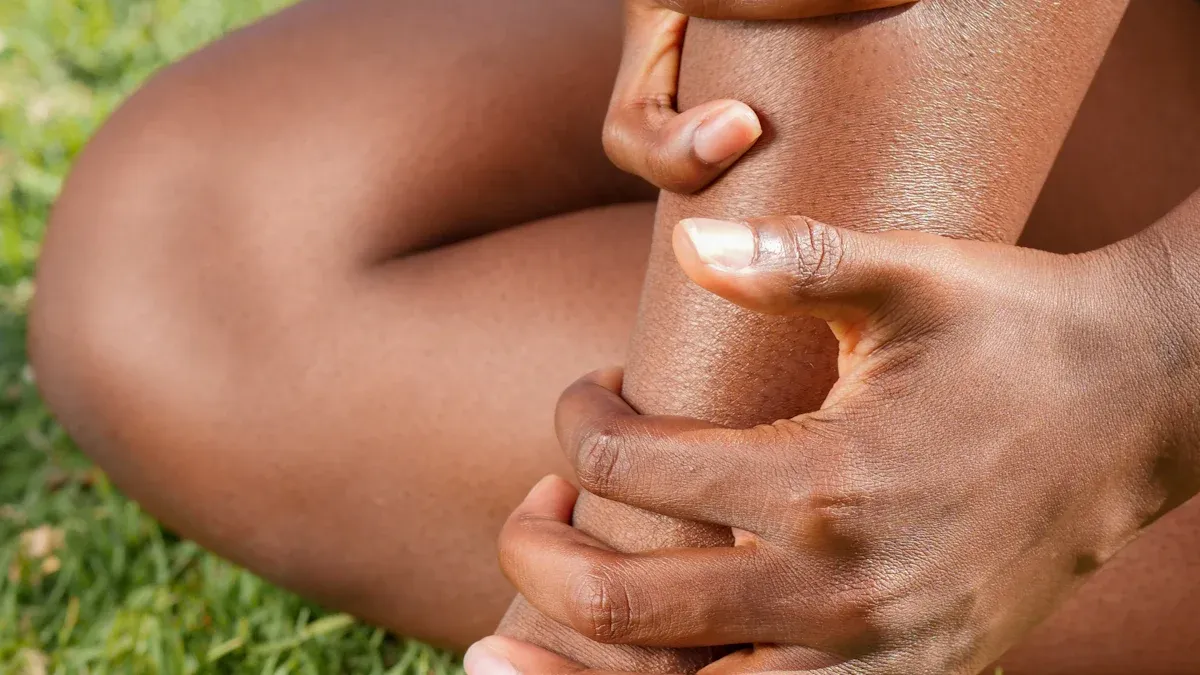
The material of your socks matters more than you might think. Some fabrics can irritate your skin or even cause allergic reactions. Both natural fibers like cotton and wool, and synthetic fibers like polyester or nylon, can cause problems. Most of the time, it’s not the fiber itself but the chemicals used in processing—like dyes, detergents, or wrinkle-resistant treatments—that cause skin irritation.
You might notice itching, redness, or a rash where your socks touch your skin.
Polyester and other synthetics can cause allergic reactions, especially if you sweat a lot or have sensitive skin.
Chemicals in poorly made socks, such as dyes or flame retardants, can make your feet itch or swell.
If you have sensitive skin, try switching to socks made from natural fibers without added chemicals. Wash new socks before wearing them to remove any leftover dyes or treatments.
Seams and elastic bands in socks can create pressure points on your feet. Thick seams, especially around the toes, can dig into your skin and cause pain. If the seam presses on your toenails, you might even get bruised or ingrown nails. Tight elastic bands at the top of socks can leave deep marks and restrict blood flow, leading to swelling and soreness.
Tip: Look for seamless socks or those with soft, non-binding cuffs if you notice marks or pain after wearing socks.
Sock seams and bands can also make foot problems like bunions or hammertoes worse. If you have sensitive feet, avoid socks with bulky seams or tight bands. Choose socks that hug your feet gently without squeezing or rubbing.
So, why do socks hurt my feet? The answer often lies in poor fit, tight socks, irritating materials, and uncomfortable seams or bands. When you pay attention to these details, you can find socks that keep your feet comfortable all day.
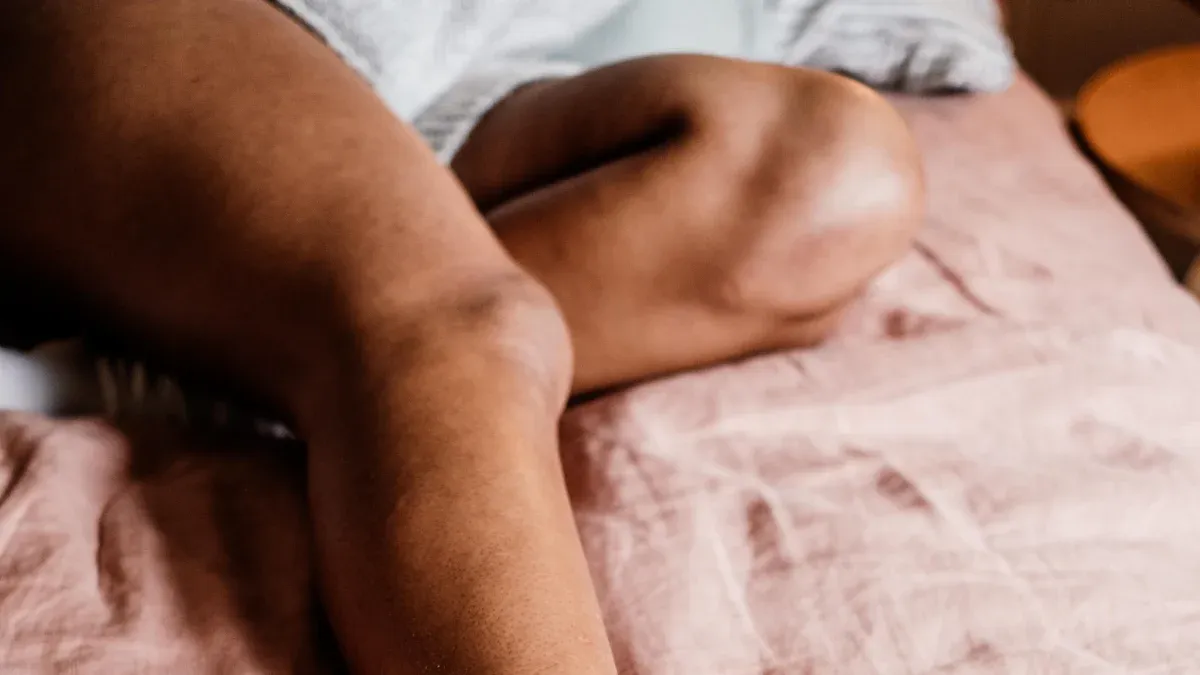
You might not realize it, but socks can cause real trouble for your circulation. When socks fit too tightly or have strong elastic bands, they squeeze your legs and feet. This pressure can slow down blood flow and lead to poor venous return. If you have diabetes or peripheral arterial disease, you need to be extra careful. Tight socks can make your feet swell, feel numb, or even develop sores. Sometimes, you see red marks or deep lines on your skin after taking off your socks. These are signs that your circulation is not as good as it should be.
Tight socks can restrict blood flow, causing numbness, swelling, and pain.
Strong elastic bands may make poor venous return worse, especially if you already have health problems.
Socks that trap moisture can lead to fungal infections, making foot pain caused by socks even more uncomfortable.
Compression socks can help some people, but only if they fit right. If they are too tight, they can cut off blood flow and cause more pain.
If you notice swelling, numbness, or red marks that do not go away, talk to your doctor. You might need to switch to non-binding socks or get a proper fitting.
Have you ever felt a burning pain on your feet after a long walk? That pain often comes from blisters and friction. When socks do not fit well or bunch up, they rub against your skin. This rubbing creates heat and pressure, which leads to blisters. Socks made from the wrong material can make things worse by holding in moisture. Wet skin is softer and more likely to get hurt.
Friction at the sock-skin surface is a big reason for blisters and calluses.
Socks with good moisture control, like wool or acrylic blends, help keep your feet dry and lower the risk of blisters and friction.
Cotton socks often hold moisture, which increases pain and blister risk.
If you have calluses, the extra pressure and rubbing can make pain worse and cause more blisters.
Choosing the right socks can help prevent foot pain caused by socks. Look for socks that fit snugly but do not bunch up, and pick materials that wick away sweat.
Swelling and deep marks on your skin are common signs of foot pain caused by socks. When socks are too tight, they leave lines or indentations around your ankles and legs. This happens because the elastic bands press into your skin, especially if you have poor venous return or stand for long periods.
You might see puffiness or swelling that makes sock marks deeper.
Skin near the sock line can look red, discolored, or even sore.
Sometimes, the swelling gets worse as the day goes on, especially if you sit or stand a lot.
Persistent or deep marks that do not fade could mean you have a health problem like chronic venous insufficiency or lymphedema.
If you notice these signs, try switching to looser socks or those with non-binding tops. Drink plenty of water and move around during the day to help your circulation. If swelling and pain do not improve, see a healthcare provider to rule out serious issues.
Do your feet ever feel itchy, red, or sore after wearing socks? You are not alone. Skin irritation is a common reason for foot pain, and it often starts with what you put on your feet each day. Sometimes, you might notice a rash, burning, or even small blisters. These signs mean your skin is not happy with your socks.
Many things in socks can bother your skin. Some people react to the fibers, while others have trouble with the chemicals used in making or coloring the fabric. Here are some ways socks can lead to skin pain and irritation:
Synthetic fibers like polyester, nylon, and acrylic are common in socks. These fibers often get treated with chemicals that can cause itching, redness, or even allergic reactions.
Some socks use dyes that contain heavy metals or special chemicals. When your feet sweat, these dyes can break down and irritate your skin, leading to dermatitis or a rash.
Flame retardants and antimicrobial agents, sometimes added to keep socks fresh, can also trigger allergies or pain for sensitive skin.
If your socks do not fit well, they rub against your skin. This friction can cause blisters, corns, and calluses, making the pain worse.
The way the fabric feels matters too. Some socks have a high "coefficient of friction," which means they create more rubbing and discomfort. This can lead to chafing, abrasions, and even more skin pain.
Chemical allergens like fragrances, preservatives, and rubber chemicals can hide in socks. These can cause allergic contact dermatitis, especially if your feet get sweaty and warm inside your shoes.
Tip: If you have sensitive skin or keep getting rashes, try switching to socks made from natural fibers like organic cotton, bamboo, or merino wool. These materials are gentle, breathable, and less likely to cause pain or irritation.
You might wonder why some people get more pain from socks than others. The answer often comes down to your skin type and how your body reacts to certain chemicals or fabrics. If you notice red marks, swelling, or pain that does not go away, you may want to see a doctor. Sometimes, a patch test can help you find out which part of your socks is causing the problem.
Choosing the right socks can make a big difference. Look for pairs that fit well, have soft seams, and use gentle materials. Avoid socks with strong dyes or lots of added chemicals. Taking these steps can help you avoid pain and keep your feet feeling comfortable all day.
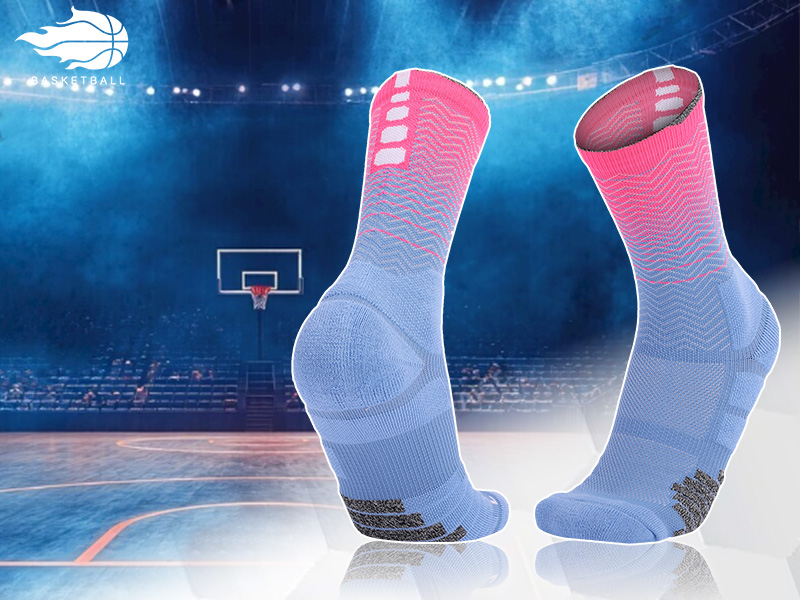
Finding the right socks can make a huge difference in how your feet feel every day. If you have ever struggled with discomfort, blisters, or red marks, it might be time to rethink your sock choices. Let’s look at what matters most when you want to choose the right socks.
Getting the right fit starts with knowing your foot size. Many people wear the wrong size without realizing it. You can measure your feet at home using a few simple methods:
Stand on a piece of paper and trace your foot. Measure from the heel to the tip of your longest toe.
Use a tape measure to check the length and width of your foot.
Try the wall method by standing with your heels against a wall, marking your longest toe, and measuring the distance.
Visit a shoe store and use a Brannock Device for the most accurate results.
Always measure both feet and use the larger measurement. Measure at the end of the day when your feet are most swollen. If you fall between sizes, pick the larger one for comfort. Wearing the wrong size, or improper sock size, can lead to bunching, blisters, and sore spots.
The material of your socks affects how your feet feel throughout the day. Some materials keep your feet dry and comfortable, while others trap moisture and cause problems.
Moisture-wicking socks pull sweat away from your skin. Merino wool stands out because it absorbs moisture but still feels dry. Synthetic fibers like polyester and nylon also wick moisture and dry quickly. These materials help prevent blisters and keep your feet comfortable, especially during exercise or long days.
Cotton socks might feel soft at first, but they hold moisture. Wet socks can cause blisters and make your feet cold or sore. For sweaty feet, avoid cotton and look for blends with wool or synthetics.
Cushioned socks add extra comfort, especially if you spend a lot of time on your feet. Look for socks with padding in the heel and toe areas. This extra layer helps absorb shock and reduces pressure points. Many athletic and hiking socks offer targeted cushioning for support.
If you have sensitive skin or circulation issues, seamless and non-binding socks can help. Seamless socks remove the bulky seams that often rub against your toes and cause irritation. Non-binding socks have soft, stretchy tops that do not squeeze your legs. This gentle fit promotes better circulation and reduces swelling.
Non-binding socks work well for people with diabetes, swelling, or sensitive skin.
Seamless designs prevent blisters and pressure points.
Breathable fabrics keep your feet dry and help prevent fungal infections.
When you choose the right socks, you protect your feet from pain and discomfort. Pay attention to fit, material, and design. Your feet will thank you!
If you want real solutions for sock pain, you have plenty of options. Let’s look at what you can do to keep your feet happy and healthy.
You might need to experiment with different socks to find what works best for your feet. Not all socks are created equal, and some types offer special benefits:
Try socks made from merino wool, bamboo, or synthetic blends. These materials feel soft and help keep your feet dry.
Look for seamless socks or those labeled as non-binding. These reduce rubbing and pressure from seams and tight bands.
Specialty socks, like compression socks, can help if you have foot pain from conditions such as neuropathy, plantar fasciitis, or swelling. Compression socks come in different levels, from mild to medical-grade. They improve blood flow, reduce swelling, and support your arches and ankles. Many podiatrists recommend compression socks for faster recovery, less muscle fatigue, and protection against skin injuries.
If you have sensitive feet, consider diabetic socks or cushioned athletic socks. These offer extra padding and gentle support.
Test different sock heights, like no-show, crew, or knee-high, to see which feels best for your activities.
Tip: Always check the fit and comfort before buying new socks. Your feet will thank you!
Taking care of your socks is just as important as picking the right type. Good care helps prevent pain and keeps your socks working well.
Rotate your socks every day. This lets each pair air out and keeps them in shape.
Wash socks with gentle detergent and follow the care instructions. This helps the fabric last longer and prevents skin irritation.
Replace socks when you see holes, thinning fabric, or stretched-out areas. Worn-out hosiery can cause blisters, friction sores, and foot fatigue. If your socks smell bad even after washing, it’s time for a new pair.
Store socks in a dry, clean place to avoid moisture and odor.
Use a laundry bag for socks to prevent stretching and tangling in the wash.
A fresh, clean pair of socks can make a big difference in how your feet feel each day.
Sometimes, home solutions are not enough. You should talk to a doctor if you notice:
Pain or swelling that lasts more than two weeks.
Sudden or severe pain in your feet.
Redness, warmth, or signs of infection like fever.
Open wounds, sores, or pus.
Numbness, tingling, or burning that does not go away.
Trouble walking or putting weight on your feet.
If you have diabetes or poor blood flow, do not wait. Even small problems can turn serious fast. Compression socks can help many people, but you need the right fit and level. If you still have pain after trying new socks and home care, a podiatrist can help you find better solutions.
Note: Never ignore foot pain that does not improve. Early help can prevent bigger problems.
Kids run, jump, and play all day, so their socks need to keep up. You want to make sure your child’s socks fit just right. Socks that are too tight can squeeze their feet and cause blisters. Loose socks bunch up and rub, which leads to sore spots. Always check that socks fit snugly but not tightly. If you notice red marks or your child complains about pain, try a different size.
Choose socks made from soft, breathable materials like cotton or merino wool. These fabrics help wick away sweat and keep feet dry. Avoid socks with thick seams, especially around the toes. Seams can press into the skin and cause discomfort. For kids with sensitive skin, look for socks designed to be gentle, such as eczema socks.
You should also match socks to your child’s activities. Athletic socks with extra cushioning work well for sports, while thinner socks are better for everyday wear. Replace worn-out socks often. Old socks lose their shape and can cause friction, which leads to blisters and tired feet.
Tip: Young children may not always tell you when their feet hurt. Watch for limping, pulling at their shoes, or not wanting to put on socks. These signs can mean their socks or shoes are causing problems.
Keeping an eye on your child’s foot health helps prevent bigger issues later. Make sock checks part of your daily routine.
As you get older, your feet change. The skin gets thinner, and you lose some of the natural padding that protects your soles. Circulation may slow down, making your feet more sensitive to pressure and friction. These changes mean you need to pay extra attention to foot health.
Many seniors deal with conditions like arthritis, bunions, or diabetes. These problems make feet more likely to hurt from socks that don’t fit well. Old socks can stretch out and bunch up, causing pressure points and even infections. Always choose fresh, well-fitting socks to protect your feet.
Here are some ways you can support foot health as you age:
Wear socks that fit well and have soft, non-binding tops. This helps prevent swelling and keeps blood flowing.
Pick socks made from materials that keep feet dry and comfortable.
Moisturize your feet daily to prevent dry, cracked skin.
Inspect your feet every day for sores, redness, or swelling.
Use supportive shoes and orthotics to reduce pressure and improve alignment.
If you have swelling, ask your doctor about compression socks. These can help, but only if they fit properly.
Note: Regular visits to a podiatrist help catch problems early. Good foot health means you stay active and independent.
Taking care of your feet is important at any age, but it becomes even more vital as you get older. With the right socks and daily care, you can keep your feet comfortable and healthy.
You might have heard that cotton socks are always the best choice for your feet. Many people believe cotton is soft, natural, and healthy. But is that really true? Let’s clear up some common myths:
Cotton socks do not keep your feet dry. Cotton fibers soak up sweat and hold it against your skin. This makes your feet feel damp and can lead to blisters, sores, and even fungal infections like athlete’s foot.
Synthetic socks, such as those made from acrylic, polyester, or special blends, actually wick moisture away from your skin. These socks help your feet stay dry and comfortable, even during sports or long walks.
Cotton socks lose their shape and softness quickly. When they get wet, they stretch out and stop supporting your feet. Synthetic socks keep their shape and cushioning, even when damp.
Some people think cotton socks prevent athlete’s foot. In reality, cotton creates a damp environment where fungi can grow. Synthetic socks help reduce this risk by keeping your feet drier.
Tip: If you want to avoid blisters and keep your feet healthy, try socks made from synthetic fibers or blends. They dry faster and help prevent skin problems.
Here’s a quick comparison to help you decide:
Feature | Cotton Socks | Synthetic Socks (Acrylic, Polyester, etc.) |
|---|---|---|
Moisture Absorption | High; holds sweat against skin | Low; wicks moisture away from skin |
Drying Time | Long; stays wet | Short; dries quickly |
Shape Retention | Loses shape when wet | Keeps shape and cushioning |
Blister Prevention | Less effective; more friction | More effective, especially if thick and padded |
Fungal Infection Risk | Higher; creates damp environment | Lower; keeps feet drier |
You can see that synthetic socks offer better moisture control and help prevent blisters. If you have sweaty feet or spend a lot of time on your feet, synthetic socks are usually the smarter choice.
Another myth is that tighter socks always give you better support. You might think that snug socks help your feet feel secure, but this is not always true.
Many people worry that compression socks cut off circulation. This only happens if the socks are too tight or the wrong size. Properly fitted compression socks actually improve blood flow and help reduce swelling.
Socks that are too tight can cause numbness, tingling, or even pain. If you see deep marks or feel discomfort, your socks are probably too small.
Compression socks are not the same as orthopedic supports. Their main job is to help blood and lymph move through your legs, not to hold your muscles or bones in place.
Graduated compression socks work best when they fit right. They are tightest at the ankle and get looser up the leg. This helps push blood upward and keeps your legs feeling fresh.
If your socks hurt or leave deep lines, take them off and try a larger size or a different style.
Note: The best socks feel snug but never painful. Always check the fit and follow sizing charts. If you have health concerns, talk to your doctor before using compression socks.
Remember, comfort and proper fit matter more than tightness. The right socks should support your feet without squeezing or causing pain. Choose wisely, and your feet will thank you!
Wearing socks that fit right can help your feet feel good. Pick socks made from materials that let air in. Choose socks that work for what you do each day. Look for things like red spots or blisters on your feet. Change out old socks for new ones when they get worn out.
Sock Feature | Why It Matters |
|---|---|
Proper Fit | Stops pain and helps blood flow |
Moisture-Wicking | Keeps feet dry and comfy |
Cushioning | Lowers blisters and softens steps |
If you pay attention to these things, your feet will feel better. You can avoid pain and keep your feet happy every day!
You probably wear socks that are too tight or have strong elastic bands. These marks show pressure on your skin. Try non-binding socks for a gentler fit.
Yes! Socks that trap sweat make your feet smell bad. Choose moisture-wicking socks and wash your feet daily. Change socks if they get damp.
Seamless socks have no thick seams at the toes. They feel smooth and help prevent blisters or irritation. If you have sensitive skin, you may find these more comfortable.
Replace socks when you see holes, thinning fabric, or stretched-out bands. Fresh socks protect your feet better. Most people need new socks every few months.
Cotton holds moisture and can make your feet feel wet. For sweaty feet, pick socks made from synthetic blends or merino wool. These keep your feet drier.
Yes, tight socks or thick seams can press on your toenails. This may cause pain or even ingrown nails. Look for socks with roomy toes and soft seams.
You can wear socks to bed if your feet get cold. Pick loose, breathable socks. Avoid tight socks at night to keep your circulation healthy.
Itchy feet may mean you react to the sock material or detergent. Try socks made from natural fibers and use gentle laundry soap. If itching continues, talk to your doctor.


