Foshan Mingjun Textile Company Ltd.

Views: 0 Author: Site Editor Publish Time: 2025-10-27 Origin: Site
If you want to know, are alpaca socks good for skiing in 2025? The answer is yes, they might be your best pick. You get warmth that lasts all day, plus alpaca socks wick moisture away so your feet stay dry. Many skiers say the right fit stops blisters and helps with blood flow. Alpaca fibers feel soft and don’t itch, so you stay comfortable. These socks stand up to wear and tear, making them a smart choice for long ski days.
Alpaca socks keep your feet very warm, even when it is freezing. They are three times warmer than normal wool socks.
These socks pull sweat away from your feet. This keeps your feet dry and comfy on long ski days. It also helps stop blisters and pain.
Alpaca socks feel soft and are hypoallergenic. They are great for people with sensitive skin. They do not itch and feel nice all day.
Alpaca socks last a long time. They do not get holes or wear out fast. This makes them a good choice for people who ski a lot.
Alpaca socks can cost more than other socks. But their warmth, comfort, and long life make them a good buy for serious skiers.
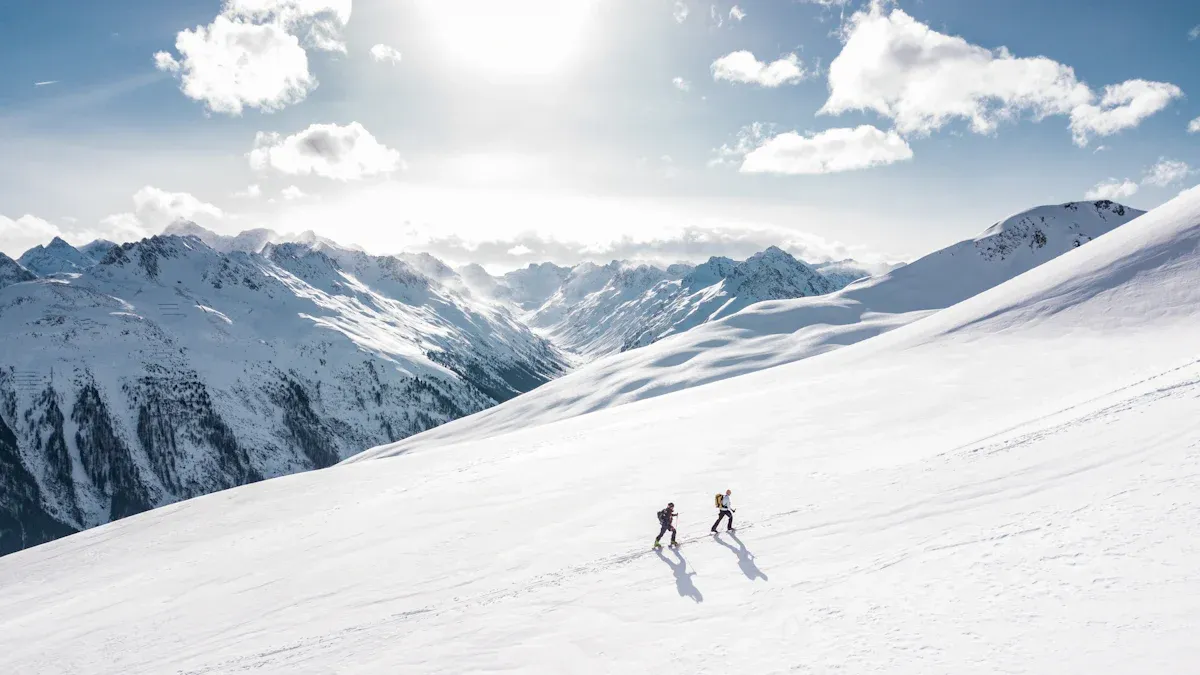
When you hit the slopes, you want socks that keep your feet warm all day. Alpaca ski socks stand out because of their unique fibers. These fibers have a semi-hollow core. This means they trap warm air close to your skin, giving you excellent insulation. You get warmth that lasts, even when the temperature drops below zero. Studies show that alpaca socks can hold heat three times better than regular wool socks. That’s a big deal if you often get cold feet while skiing. The hollow structure of alpaca fibers works like a natural barrier, locking in heat and making alpaca socks ideal for skiing. You will notice your toes stay toasty, even on the coldest runs. If you ask, are alpaca socks good for skiing, the answer is yes, especially if warmth is your top priority.
Tip: If you struggle with cold feet on the mountain, alpaca ski socks might be the best socks for skiing you can find.
Skiing means sweat, even in freezing weather. Wet feet can ruin your day fast. Alpaca ski socks help you avoid this problem. The fibers wick moisture away from your skin, so your feet stay dry. Alpaca socks have a low absorption rate—only about 8%. Compare that to wool at 30% and cotton at 60%. This means alpaca socks manage sweat much better. Moisture glides off the fibers instead of soaking in. You get dry feet, less risk of blisters, and more time enjoying the slopes. Many skiers say alpaca socks are good for skiing because they keep your feet dry during long days outside. If you want socks that are ideal for skiing, alpaca ski socks are a smart pick.
Alpaca ski socks wick moisture away quickly.
They dry faster than most other materials.
Your feet stay comfortable and fresh, even after hours on the mountain.
You want comfort when you ski. Alpaca ski socks deliver a soft, smooth feel. The fibers are lightweight and breathable, so your feet don’t feel bulky or sweaty. If you have sensitive skin, you’ll love that alpaca socks don’t contain lanolin, which can cause irritation for some people. Many brands use baby alpaca fiber, which feels extra soft. Skiers often say alpaca socks are less itchy than merino wool. You get a snug fit that helps prevent blisters and keeps your feet happy all day. Are alpaca socks good for skiing if you have allergies? Most people find them gentle, but if you have severe allergies, test a pair first.
Note: Alpaca ski socks offer comfort and breathability, making them a favorite for skiers who want a soft, itch-free experience.
You want socks that last through many ski trips. Alpaca socks are known for their strength. The fibers resist fraying and pilling, so your socks look and feel good after many wears. Some brands even offer lifetime warranties, showing real confidence in their product. Users report wearing alpaca ski socks for days without odor or discomfort. If you ski often, you’ll appreciate how alpaca socks hold up better than many merino wool or synthetic options. Are alpaca socks good for skiing if you want long-lasting gear? Absolutely. You get socks that stay strong, even after months of use.
Alpaca ski socks have high tensile strength.
They resist wear and tear, even in tough conditions.
Frequent skiers say alpaca socks are a smart investment for durability.
If you’re searching for socks that combine warmth, dryness, comfort, and durability, alpaca socks check all the boxes. Are alpaca socks good for skiing? For most skiers, the answer is a clear yes.
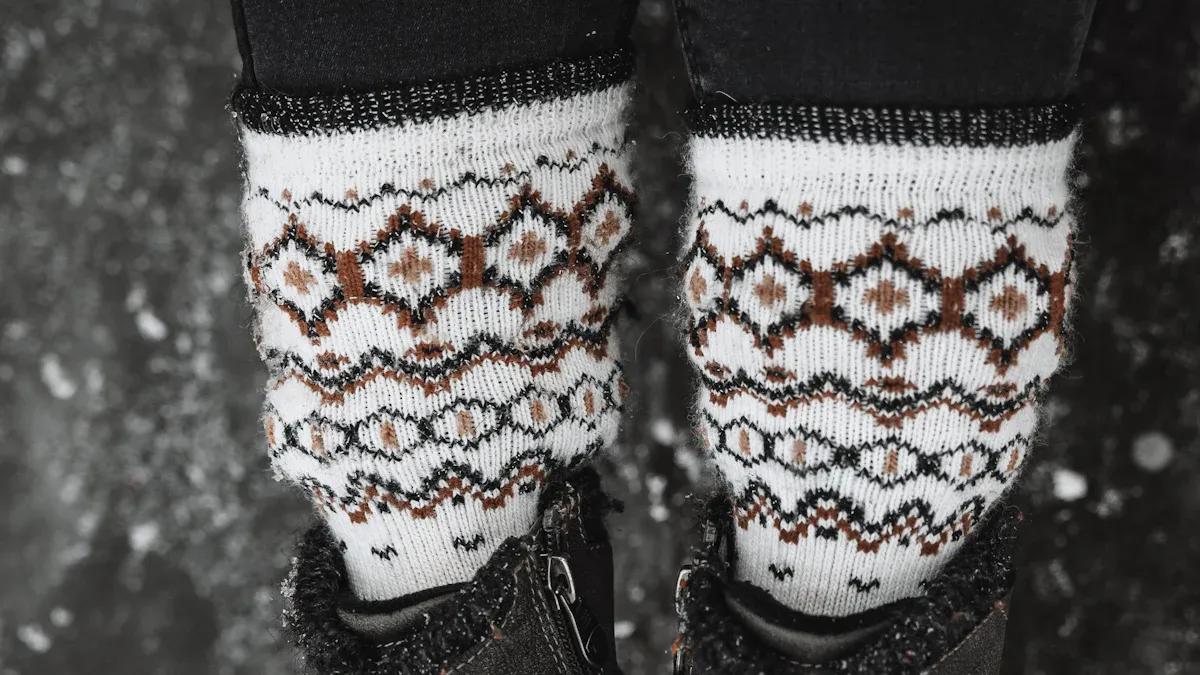
When you look for ski socks, you see many options. It helps to know how alpaca ski socks compare to merino wool, synthetic, and cotton socks. Picking the right socks gives you warmth and good performance on the slopes.
Merino wool socks are popular and keep feet warm. But alpaca socks give even more warmth and insulation. Their hollow fibers trap heat, so your toes stay warm on cold days. Alpaca socks also move sweat away faster than merino wool. This keeps your feet dry and comfy for longer. Both types fight odors, but alpaca socks stop bacteria better.
| Sock Type | Moisture Management | Odor Resistance |
|---|---|---|
| Alpaca Socks | Great at moving moisture, keeps feet dry | Stops odors and bacteria naturally |
| Merino Wool Socks | Good, but not as strong as alpaca | Good, but can hold some odors |
If you want the warmest socks, alpaca ski socks are the best.
Synthetic socks cost less and dry fast. They use special fibers to move sweat, but they do not breathe or insulate like alpaca socks. Your feet may get hot or sweaty because synthetic socks trap heat. They also hold smells and wear out quickly. Alpaca ski socks give you warmth, insulation, and last longer. They fit well and help stop blisters, which is important for skiing.
Pros of Synthetic Socks:
Cheap
Move sweat
Dry fast
Cons of Synthetic Socks:
Do not breathe well
Hold smells
Wear out faster
| Feature | Synthetic Socks | Alpaca Socks |
|---|---|---|
| Price | Cheaper | More expensive |
| Moisture-Wicking | Made to move sweat | Moves moisture naturally |
| Breathability | Not very breathable | Very breathable, keeps feet dry |
| Odor Resistance | Holds onto smells | Stops odors naturally |
| Durability | Wears out fast | Lasts long with care |
| Warmth | Not as warm | Very warm |
| Eco-Friendliness | Not as good for the planet | Better for the environment |
If you want socks that last and keep feet happy, alpaca ski socks are better.
Cotton socks feel soft at first, but do not work well for skiing. Cotton holds water, so your feet get wet and cold fast. This can cause blisters and make you uncomfortable. Alpaca socks move moisture away and help keep your feet warm. They give better insulation, so alpaca ski socks are great for skiing.
Cotton socks do not handle moisture well.
Alpaca socks keep feet dry and help stop blisters.
Alpaca wool keeps your feet at a good temperature.
If you want warm, comfy socks for skiing, skip cotton and pick alpaca ski socks. You will feel the difference in comfort, breathability, and how long they last every time you ski.
You want your ski socks to fit just right inside your boots. Some people worry that alpaca socks might feel too thick or bulky. The good news is that most alpaca socks for skiing use a midweight thickness. This means you get enough cushioning for comfort and insulation, but not so much that your boots feel tight. The best alpaca socks are designed to avoid slipping or bunching, so you won’t have to stop and fix your socks on the mountain. They add support in the right spots and skip extra bulk, so you can move easily. Still, if you have very tight-fitting boots or prefer ultra-thin socks, you might want to try on a pair before hitting the slopes.
Alpaca socks cost more than many other ski socks. You might see prices around $23.00, though sometimes you can find them on sale for about $17.25. This is higher than most synthetic or even some merino wool socks. You pay more, but you get extra insulation, comfort, and durability. Many skiers say the warmth and softness make the price worth it. If you ski often or have cold feet, you may find that alpaca socks are a smart investment.
Tip: If you want socks that last and keep your feet warm, spending a little more on alpaca socks can pay off in the long run.
| Feature | Description |
|---|---|
| Warmth | Hollow fibers give better insulation and keep feet warm. |
| Comfort | Soft and luxurious feel for happy feet all day. |
| Hypoallergenic | Great for people with sensitive skin or wool allergies. |
You need to take care of your alpaca socks to keep them in top shape. Most brands suggest washing them in cold water and letting them air dry. This helps the insulation stay strong and keeps the socks soft. Avoid using high heat or harsh detergents, as these can damage the fibers. Alpaca socks resist odor, so you don’t have to wash them after every use. Still, they need a little more attention than basic cotton or synthetic socks. If you want your socks to last, follow the care instructions closely.
Note: Taking a few extra steps with care helps your alpaca socks stay warm, soft, and ready for every ski trip.
You might wonder if alpaca socks are right for you. If you often get cold feet on the slopes, these socks could be your new favorite. They offer natural warmth that stands up to extreme cold conditions. The secret comes from the unique fibers. These fibers trap heat and create a thermal barrier, so your toes stay warm even when the temperature drops.
Here’s a quick look at what makes alpaca socks a top pick for certain skiers:
| Feature | Benefit |
|---|---|
| Superior thermal insulation | Keeps your feet warm with natural warmth, perfect for cold days. |
| Hypoallergenic nature | Great for sensitive skin, no itch or irritation. |
| Exceptional softness | Gives you ultimate comfort and a soft feel every time. |
You’ll love alpaca socks if you have allergies to sheep’s wool. The hypoallergenic fiber means you can enjoy comfort without the itch. Many skiers also notice the cushioning. This helps with comfort and cushioning, so your feet feel good all day. If you want socks that last, alpaca socks deliver durability for many ski trips.
Alpaca socks are not for everyone. Some skiers prefer a thinner sock for a snug fit in tight boots. If you race or do cross-country skiing, you might want socks that are shorter or lighter. Price can also be a factor. Alpaca socks cost more than basic options, so you may want to weigh the warmth and comfort against your budget.
Here’s a table to help you decide if another material fits your needs:
| Skier Type | Sock Length Requirement | Key Features of Preferred Material |
|---|---|---|
| Cross Country Skiers | Shorter than knee | Moisture management, odor resistance, breathability, comfort |
You might pick another sock if you want a lower price or a super-thin fit. Some people also like synthetic socks for quick drying. If you care most about natural warmth, durability, and cushioning, alpaca socks are hard to beat.
Tip: Try a pair on before your next trip. You’ll feel the difference in warmth, comfort, and how well they fit in your boots.
You want really good alpaca socks for skiing in cold weather. Many experts say these socks keep your feet warm and help control temperature. That is why lots of skiers pick them:
They are three times warmer than Merino wool.
They pull sweat away and feel comfy all day.
Extra padding helps stop blisters from forming.
They keep your feet at the right temperature and do not itch.
They are strong and last for many outdoor trips.
| Feature | Alpaca Socks Benefit |
|---|---|
| Warmth | Great insulation keeps feet warm |
| Durability | Natural fiber lasts a long time |
| Comfort | Soft and helps stop blisters |
If you want feet that stay dry and warm, alpaca socks are a great choice. Think about what you need before you choose.
Yes! Alpaca socks trap heat with their special fibers. You stay warm even on the coldest ski days. Many skiers say alpaca ski socks work better than regular wool for warmth during skiing.
Absolutely. Alpaca socks have strong moisture-wicking properties. They pull moisture away from your skin fast. This moisture control keeps your feet dry and helps prevent blisters while you ski.
Yes, they can! Alpaca ski socks handle sweat management well. Their moisture-wicking design moves moisture away quickly. You get dry feet, even after hours of skiing.
Alpaca socks beat cotton and many synthetics for moisture control. They wick moisture better and dry faster. You get less sweat build-up and more comfort during long ski days.
Tip: If you want socks that handle moisture-wicking and moisture control, alpaca ski socks are a top pick for skiing.
You will love the comfort. Alpaca socks feel soft and never itchy. They fit well in ski boots and help stop blisters. Many skiers choose alpaca socks for all-day skiing comfort, even in cold weather.


