Foshan Mingjun Textile Company Ltd.

Views: 0 Author: Site Editor Publish Time: 2025-10-21 Origin: Site
No, ski socks and compression socks are not the same thing, which leads many to wonder: are ski socks compression socks? While some modern ski socks now include compression features, traditional ski socks are mainly designed for warmth and protection. People often ask, "are ski socks compression socks?" because they can look similar, but there are key differences:
| Feature | Ski Socks | Compression Socks |
|---|---|---|
| Purpose | Made for warmth, comfort, and protection | Gives pressure to help blood flow |
| Padding | Extra padding on shins and heels | Little padding, fits tightly |
| Fit | Usually longer, goes up to the knee | Covers ankle to calf, fits snugly |
| Focus | Comfort and cushion to stop blisters | Helps muscles recover and lowers swelling |
| Moisture Management | Uses materials that keep feet dry | Not made to handle moisture |
So, are ski socks compression socks? Not usually, but more skiers are choosing ski compression socks these days. The market for ski compression wear is growing quickly as more people get into winter sports and discover the benefits.
Ski socks keep your feet warm and comfy. Compression socks help blood move better and stop swelling.
Pick ski socks made with Merino wool or fake fibers. These help keep feet dry and last longer.
Compression ski socks give warmth and support. They are great for long ski days.
Socks must fit well. Ski socks should be close-fitting but not squeeze your feet. This stops blisters and keeps you comfy.
Think about what you need for skiing. Use regular ski socks for warmth. Use compression socks if you want more support and faster recovery.
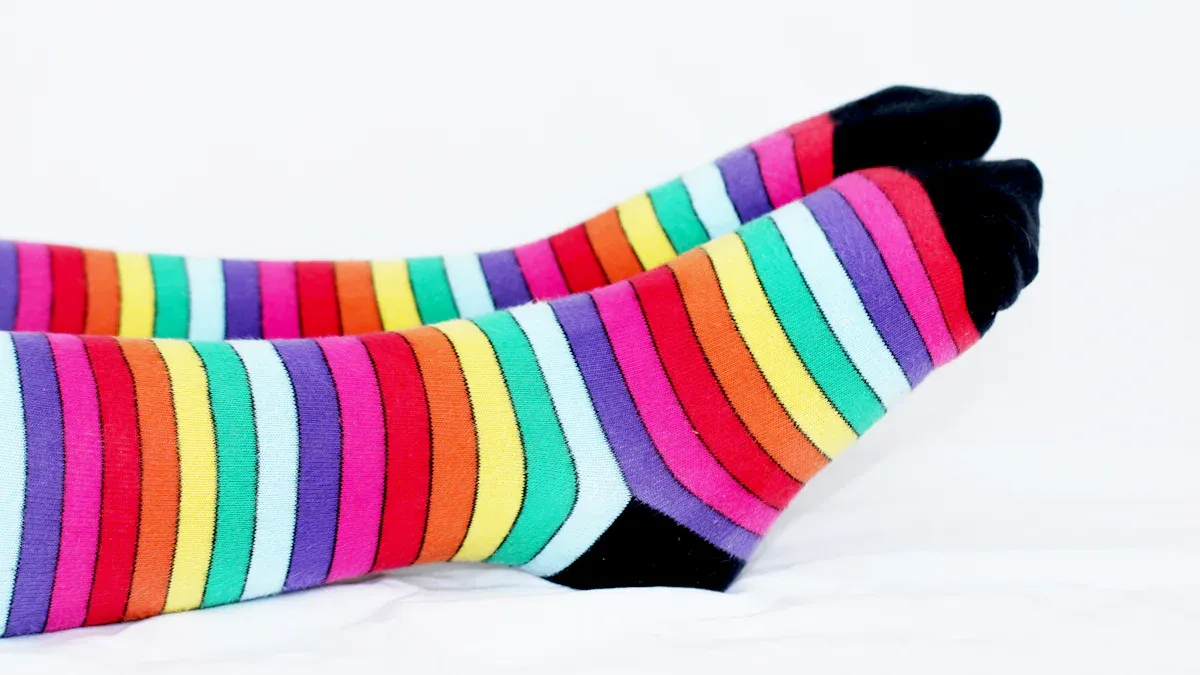
When you ask, "are ski socks compression socks," you should know what makes traditional ski socks special. These socks are made to keep your feet warm and dry while skiing. They use materials like Merino wool and synthetic blends. Merino wool helps your feet stay dry and warm in cold weather. Synthetic fibers make the socks last longer and pull sweat away from your skin.
Ski socks have extra padding on the shins and heels. This padding protects your feet from getting sore and helps stop blisters. The main job of traditional ski socks is to give warmth, comfort, and protection. They do not squeeze your legs or help blood flow. Some ski socks give a little support, but they are not the same as compression socks.
Tip: Pick ski socks with Merino wool for natural warmth and to keep your feet dry. If you want socks that last, try ones with synthetic blends.
Here are some ways traditional ski socks are different from compression socks:
They keep your feet warm, dry, and soft.
They use Merino wool or synthetic blends.
They help stop blisters and give comfort.
They do not give real compression.
You might wonder, "are ski socks compression socks" when you see new types in stores. Some new ski socks now have compression features. These are called compression ski socks. They mix the warmth and padding of regular ski socks with compression benefits.
Compression ski socks use gentle pressure, about 15-20mmHg. This pressure helps blood move better in your legs. When you wear these socks, you may have less swelling and tired muscles after skiing. These socks help your muscles recover faster and can help you ski better.
Here are some good things about compression ski socks:
They help blood move and bring more oxygen to your muscles.
They help stop muscle pain and swelling.
They help you ski better.
Note: More people like compression ski socks because they help you feel good and ski longer.
Science shows that compression ski socks really help. Studies say compression clothes can lower muscle shaking and help muscles work better. One study found that strong compression in ski gear made knees bend more and muscles shake less, so skiing takes less effort. Another study showed that compression gear can lower your heart rate and how much oxygen you use, so skiing feels easier.
| Study | Findings |
|---|---|
| Stöggl et al. (2018) | Compression suits lowered oxygen use and heart rate. |
| Sperlich et al. (2013) | Strong compression made knees bend more and muscles shake less. |
| Simons et al. (2016) | Compression tights changed ski turns and lowered muscle use. |
So, are ski socks compression socks? Most ski socks are not, but compression ski socks give both warmth and support. If you want to feel better and ski better, you should try compression ski socks on your next trip.
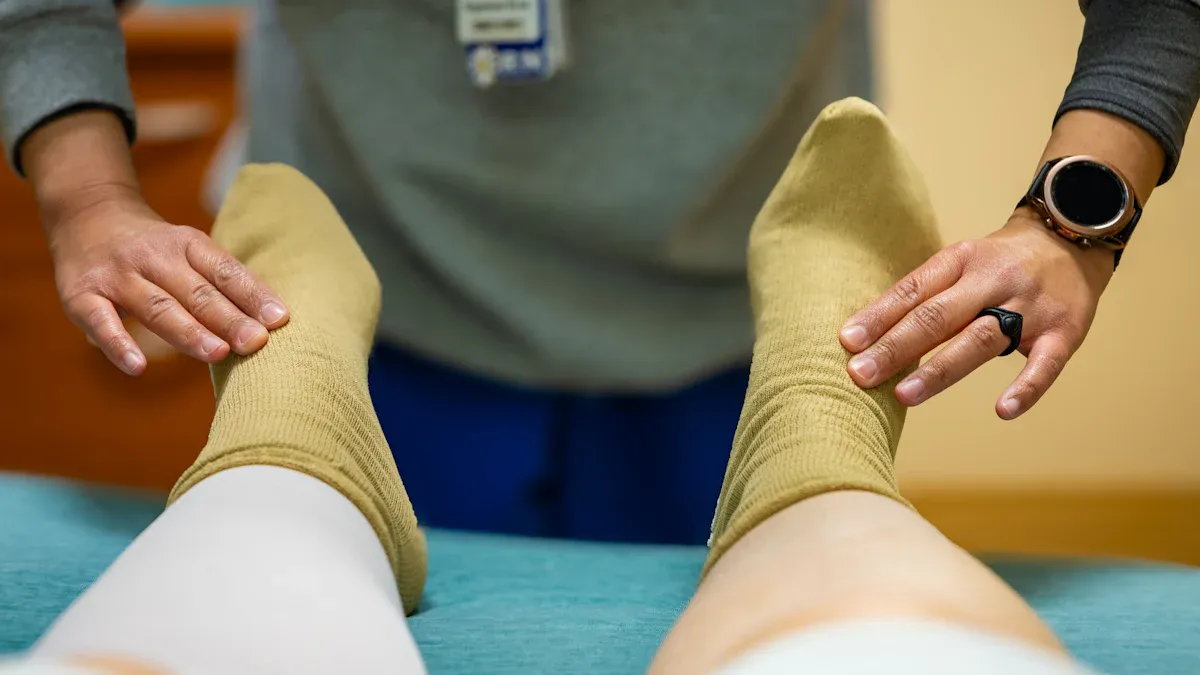
Compression socks are made to help your legs feel good and stay healthy. These socks fit tight at your ankle and get less tight as they go up. This is called graduated pressure. The tight part at your ankle helps push blood back to your heart. Wearing compression socks helps your veins move blood better. This can make your blood flow better and lower swelling.
Compression socks squeeze your legs. This also squeezes the blood vessels in your legs. This helps your blood move better. You may have less swelling and less leg pain.
Compression socks can stop blood from staying in your lower legs. They help your muscles get more oxygen. This can make your legs feel less tired. Many people wear compression socks to stop swelling after sitting or standing for a long time. Athletes use them to help their muscles recover and to lower swelling after sports.
Here is how compression socks help your legs:
Compression socks put pressure on your legs. This helps the valves in your blood vessels work right.
The pressure helps move blood back to your heart. This fights gravity.
By stopping blood from staying in your legs, they keep blood moving and lower swelling.
You can use compression socks for many reasons. Doctors tell people to wear them to lower swelling in their legs and ankles. People who travel far or stand all day use them to stop swelling and feel better. If you play sports, you might wear compression socks to help your muscles heal and to lower swelling after you play.
| Medical Benefits of Compression Socks | Description |
|---|---|
| Increased circulation | Helps blood move better in your legs. |
| Decreased swelling | Lowers swelling in legs and ankles. |
| Prevents blood pooling | Stops blood from staying in veins. |
| Prevents blood clots | Lowers the chance of blood clots. |
| Improves lymphatic drainage | Helps remove extra fluid. |
| Reduces pain and discomfort | Helps with pain from blood flow problems. |
Many athletes wear compression socks to lower swelling and sore muscles. Over 80% of athletes use them to recover, and more than 70% think they help them play better. Studies show compression socks can lower swelling, muscle pain, and tiredness after sports. They also help you heal faster by lowering swelling and making blood flow better.
Tip: If you want to lower swelling and feel less tired after a long day or hard workout, try compression socks.
Compression socks are not just for athletes. Anyone who wants to lower swelling, feel better, or keep their legs healthy can use them.
When you compare ski socks and compression socks, you will see they are made differently. Ski socks use merino wool or synthetic blends. These materials help keep your feet warm and dry. They also pull sweat away from your skin. This keeps your feet dry when you sweat while skiing. Compression socks sometimes use the same materials. But their main job is to give your legs pressure.
Ski socks are made for warmth and keeping feet dry.
Compression socks use stretchy fibers to give pressure.
Both can use synthetic blends, but ski socks care more about keeping feet dry.
The design is also different. Ski socks have padding on the shin, heel, and bottom of the foot. This padding protects your feet from ski boots. Compression socks do not have much padding. They fit tight and use pressure to help blood move.
| Feature | Compression Socks | Ski Socks |
|---|---|---|
| Pressure | Uses pressure to help blood flow | Made for warmth and soft padding |
| Design Purpose | Helps stop swelling and helps blood move | Gives comfort and protects feet in ski boots |
| Padding | Not much padding | Padding in spots that need it for skiing |
Ski socks keep your feet warm, dry, and comfy. The special materials pull sweat away from your skin. This helps stop blisters and keeps your feet from getting cold. Padding in ski socks makes long days on the mountain easier.
Compression socks work in another way. You wear them to help your blood move better. The pressure from these socks can lower swelling and help your muscles heal faster. Many people wear compression socks after sports or when they stand a lot.
| Feature | Ski Socks | Compression Socks |
|---|---|---|
| Primary Purpose | Keeps feet warm, dry, and soft for skiing | Gives pressure to help blood move |
| Material | Made from merino wool or synthetic blends | Made from many materials, often stretchy |
| Compression Level | Not made to squeeze your legs | Squeezes legs to help blood flow |
| Additional Features | Focuses on comfort and warmth for skiing | Helps lower swelling and tiredness |
Ski socks give warmth, dryness, and comfort. Compression socks give support, better blood flow, and less swelling. Some new ski socks now add compression, so you get both. If you want dry feet and support, pick ski socks with both moisture-wicking and compression.
Tip: Pick ski socks with moisture-wicking for dry, warm feet. Choose compression socks if you want better blood flow and less swelling.
When you pick ski socks, you want the best fit and performance. The right socks help you stay warm and dry on the slopes. Here are some important things to check:
Material: Choose socks made from Merino wool or blends with nylon and polyester. These materials keep your feet warm and dry. They also last a long time.
Thickness: Thin or medium ski socks work best. Thick socks can make your boots too tight and hurt your circulation.
Fit: Make sure your socks fit snugly. Loose socks can bunch up and cause blisters. A good fit means no wrinkles or extra fabric.
Moisture Management: Look for socks that pull sweat away from your skin. Dry feet help you avoid blisters and cold toes.
Height: Your ski socks should go above your boot line. This keeps snow out and stops chafing.
Special Features: Some socks have extra padding in the shin or heel. Others have seamless toes or treatments to stop odor.
Care: Wash your socks inside out in cool water. Skip fabric softeners and let them air dry to keep them working well.
Tip: Always try your ski socks with your ski boots before you hit the slopes. This helps you check the fit and comfort.
You might wonder if you should choose ski compression socks or regular ski socks. Both types help you enjoy warmth and comfort, but they offer different benefits.
| Feature | Ski Compression Socks | Regular Ski Socks |
|---|---|---|
| Enhanced Circulation | Yes, helps prevent swelling and fatigue | No |
| Warmth and Temperature Regulation | Yes, keeps heat in without overheating | Varies, may not keep heat as well |
| Muscle Support | Yes, reduces soreness and cramping | Limited support |
| Improved Support Recovery | Yes, helps muscles recover faster | No |
| Snug Fit | Yes, prevents blisters and improves control | Varies, may not fit as snugly |
Ski compression socks use gentle pressure to help blood flow. This can stop swelling and tired legs. They also help with support recovery after a long day of skiing. Regular ski socks focus on warmth and comfort. They use soft materials and padding to protect your feet. If you want better support recovery and less muscle pain, try ski compression socks. If you only need warmth and comfort, regular ski socks may be enough.
Note: The best socks for you depend on your needs. If you ski all day or want extra support, ski compression socks are a smart choice. For short trips or mild days, regular ski socks work well.
Now you can see how ski socks, compression socks, and ski compression socks are different. Look at this table for a fast summary:
| Sock Type | Main Benefit | Best For |
|---|---|---|
| Ski Socks | Warmth, comfort | Regular skiing |
| Compression Socks | Blood flow, recovery | Sports, travel, health |
| Ski Compression | Support, warmth | Long ski days, recovery |
Pick socks that fit what you need and how you ski. Make sure you choose comfort, support, and good performance for the best time on the slopes.
You can wear regular compression socks for skiing, but you may not get enough warmth or padding. Ski compression socks give you both support and insulation, which helps your feet stay comfortable on the slopes.
You should replace ski socks when they lose their shape, padding, or warmth. Most skiers find that socks last one to two seasons with regular use. Check for holes or thinning fabric before each trip.
Yes, ski compression socks help reduce muscle soreness. They improve blood flow and support your muscles. You may feel less tired and recover faster after skiing.
Ski socks should fit snugly but not feel too tight. A good fit prevents blisters and keeps your feet warm. If socks feel uncomfortable or cut off circulation, try a different size or style.


