Foshan Mingjun Textile Company Ltd.

Views: 0 Author: Site Editor Publish Time: 2025-10-07 Origin: Site
You might notice your legs feel heavy or tired when pregnant. Many pregnant women experience varicose veins, which can lead to discomfort and swelling. The benefits of wearing compression socks during pregnancy are well-documented, as studies show they help alleviate these issues. Compression socks make your legs feel lighter and more comfortable. Wearing compression socks during pregnancy not only helps with swelling but also enhances your overall comfort each day.
Compression socks can help stop swelling in your legs. This makes you feel better when you are pregnant.
Wearing compression socks can help stop varicose veins. This keeps your legs healthy.
These socks help your blood move better. Good blood flow is important for you and your baby.
Compression socks can help with leg pain and tiredness. You can stay active and enjoy being pregnant.
Doctors say you should wear compression socks while pregnant. This helps stop blood clots and keeps your legs healthy.
Pick the right compression level for your symptoms. Ask your doctor for advice that fits you.
Put on compression socks in the morning to stop swelling. Wear them all day for the best results.
Many women say they sleep better and have more energy. They feel this way after using compression socks during pregnancy.
Image Source: pexels
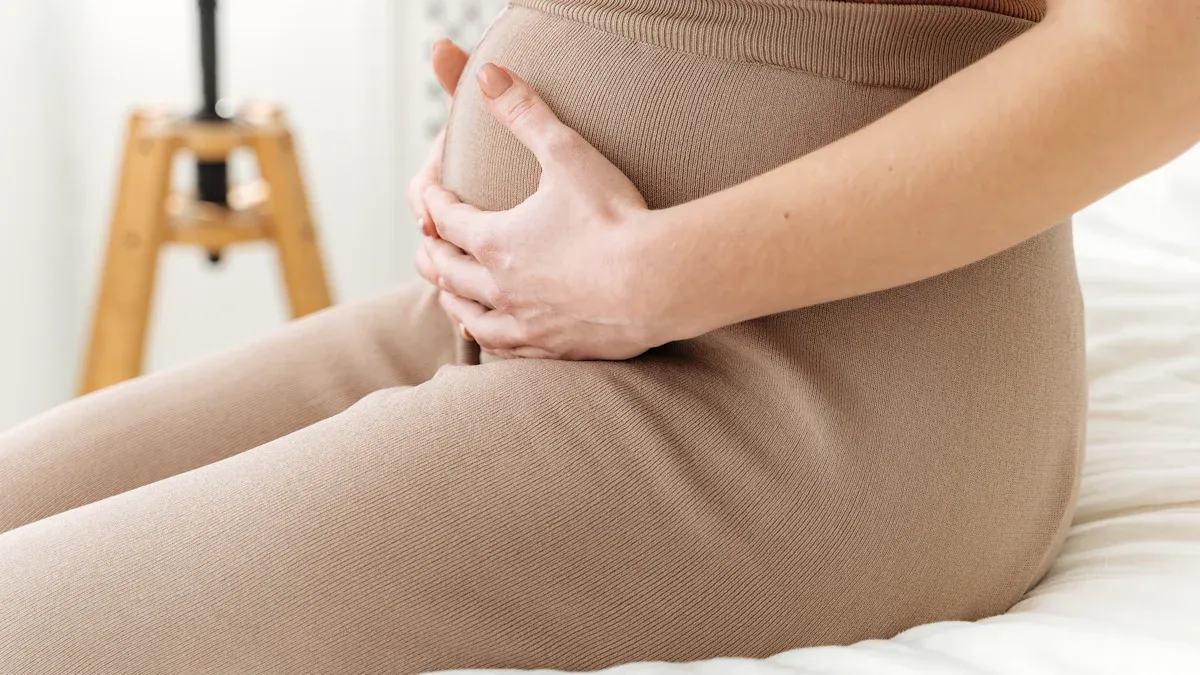
When you are pregnant, your legs can change. These changes can make you feel uncomfortable. Many women have problems that make walking or standing harder.
Swelling happens a lot during pregnancy. Your legs and feet can look bigger, especially at night. About 34.6% of women in late pregnancy have swollen legs. Swelling can cause cramps and pain. Your shoes or socks might feel tight. Your ankles may look larger than normal.
Varicose veins can show up or get worse. These veins look twisted or stick out under your skin. They can make your legs ache or feel heavy. Some women see their veins more as pregnancy goes on. Varicosities can make standing for a long time hurt.
Leg fatigue is also common. Your legs may feel tired after short walks. Even sitting can make your legs feel heavy. Extra weight and body changes can cause this. Restless leg syndrome and pain from changes in your body affect many pregnant women.
Tip: If your legs hurt or swell a lot, talk to your doctor. Getting help early can stop bigger problems.
Many things can make your legs hurt during pregnancy. Knowing why can help you take care of your legs.
Your body holds more fluid to help your baby grow. During pregnancy, you can have up to 8 liters more water. Most of this extra fluid is outside your cells. This makes your legs swell. About 70% of women get edema at some time. More pressure in your legs also causes swelling.
Extra fluid brings oxygen and removes waste.
Swelling gets worse later in the day or in late pregnancy.
Hormones change a lot when you are pregnant. Your body makes more aldosterone and cortisol. These hormones make you keep more fluid. They relax blood vessels, so fluid collects in your legs and feet. This can cause swelling and cramps.
Your baby grows and your uterus gets bigger. The uterus pushes on big veins in your pelvis. This slows blood flow from your legs to your heart. Bad circulation can cause swelling, varicose veins, and tired legs. Gaining weight also puts more strain on your legs.
The uterus, extra fluid, and hormones all cause swelling.
Swelling and pain get worse as pregnancy goes on.
Compression socks use gentle pressure to help your legs feel better during pregnancy. You put them on like regular socks, but they fit tighter around your ankles and get looser as they move up your legs. This special design helps your legs in several ways:
The socks squeeze your ankles and feet gently.
The pressure pushes blood up toward your heart.
Your calf muscles work with the socks to move blood in the right direction.
You feel less swelling and discomfort after wearing them.
When you wear compression socks, you help your body keep blood moving. The gentle pressure at your ankles and calves encourages blood flow back to your heart. This means less blood pools in your legs, which can happen when you stand or sit for a long time. You may notice less swelling and pain, especially at the end of the day.
Note: Good blood flow keeps your legs healthy and helps prevent problems like varicose veins and blood clots.
Pregnancy can cause your body to hold extra fluid, making your legs and feet swell. Compression socks help reduce this fluid by increasing pressure under your skin. This pressure stops fluid from leaking into your tissues and helps your body absorb extra fluid faster. Doctors often recommend these socks to treat swelling, also called edema. Studies show that wearing compression socks can lower the amount of swelling after just a few weeks.
Compression socks limit how much your veins can expand.
They keep blood moving and stop fluid from building up.
You feel more comfortable and your shoes fit better.
Healthy veins are important for happy legs during pregnancy. Compression socks give your veins extra support so they can do their job well.
Venous insufficiency happens when your veins have trouble sending blood back to your heart. Compression socks help prevent this by keeping blood moving and stopping it from flowing backward. Medical experts recommend wearing these socks throughout pregnancy to keep your veins strong and reduce discomfort.
Compression socks make your legs feel lighter.
They lower your risk of getting varicose veins.
Deep vein thrombosis (DVT) is a blood clot that forms in your leg veins. Pregnant women have a higher risk of DVT because of changes in blood flow and pressure. Wearing compression socks can lower this risk. Research shows that using compression stockings is safe and effective for preventing blood clots during pregnancy. If you travel long distances, doctors may suggest stronger compression socks to keep your blood moving.
Tip: Always talk to your doctor before choosing compression socks, especially if you have other health concerns.
Your feet and ankles can get bigger as your pregnancy goes on. This swelling is called edema, and it happens to most pregnant women. Compression socks can help with this problem. They gently squeeze your legs. This helps blood and fluid move back to your heart. Wearing these socks gives your legs a better chance to stay slim and feel good.
Compression socks lower pressure on blood vessels. This helps blood flow better and stops problems like edema and varicose veins.
One study found compression stockings lower the risk of swelling by 25% for pregnant women.
Graduated compression socks push blood up your legs. This reduces swelling and makes your legs feel better.
You may see results after a few weeks of wearing compression socks. Your shoes might fit better, and your legs may look less puffy at night.
Swollen legs can make you feel tired and sore. Compression socks help by making swelling go down. Most pregnant women get leg cramps and pain from swelling. When you wear compression socks, you may have less pain and fewer cramps.
Most women get edema when pregnant.
Many pregnant women have leg cramps.
Compression stockings lower the risk of swelling problems by 25%.
Dr. Donna Baick, an obstetrician-gynecologist at UCI Health, says "Compression socks are special stockings that help blood flow and support your lower legs and feet. They help pregnant women feel less pain from swelling, which can also cause varicose veins."
You feel more comfortable and can move around easier. Compression socks help you have less pain and more energy for your daily life.
Pregnancy can make you more likely to get varicose veins. These veins look twisted and can hurt. Compression socks help keep your veins healthy. They improve blood flow and stop blood from pooling in your legs.
Hormones and extra weight during pregnancy raise your risk of varicose veins.
Graduated compression socks help blood move and stop pooling.
Compression stockings are recommended to help blood flow and ease varicose vein symptoms.
They give steady pressure to help blood go back to your heart.
Doctors often tell pregnant women to wear compression socks to stop varicose veins from getting worse. Compression socks lower your chance of getting new vein problems.
Varicose veins can make your skin look bumpy or change color. Wearing compression socks helps your skin stay smooth. These socks lower pressure on your veins. This means less bulging and fewer veins you can see.
Compression stockings help stop varicose veins, especially for pregnant women.
A study found that using compression stockings often lowers the chance of new varicose veins in people with early vein problems.
Another study showed compression stockings help lower the risk of problems like deep vein thrombosis (DVT), which are linked to varicose veins.
You may see your legs look healthier and feel better. Compression socks do more than help you feel good—they help you keep smoother, nicer-looking skin.
Leg pain and tiredness can slow you down when pregnant. Compression socks help with swelling and support your leg muscles. This makes walking and staying active easier.
Evidence Description | Findings |
|---|---|
People who wore compression stockings every day had less leg pain. | |
Compression stockings improve life quality | People felt better, as shown by the Chronic Venous Disease Quality of Life (CIVIQ) questionnaire. |
Positive feedback from participants | Most people felt less nausea and heavy legs, and wanted to keep using the socks after the study. |
Compression socks help move fluid away from your lower legs. This makes moving easier.
They support your leg muscles, so you feel less tired and heavy. This helps you rest and stay active.
By helping blood flow, they lower the risk of deep vein thrombosis (DVT). This keeps you safer during pregnancy.
You can move more easily and feel less pain with compression socks. They help you stay active and enjoy your pregnancy more.
Tired, sore legs can make sleeping hard. Compression socks help lower pain and heaviness. This helps you rest better at night. When your legs feel lighter, it is easier to relax and fall asleep.
Knee-high compression socks gently squeeze your legs. This helps blood go back to your heart and lowers swelling.
Doctors recommend them to help with pregnancy problems like varicose veins and DVT. This makes you feel better and move easier.
Compression socks lower swelling in your lower legs, ankles, and feet. This is common during pregnancy.
They help stop vein problems like varicose veins and DVT. Better blood flow makes moving easier.
Compression socks help you sleep better and feel good. You wake up feeling refreshed and ready for your day.
You need strong circulation during pregnancy. Your body works harder to send blood to your legs and your baby. Compression socks help your veins push blood back to your heart. This gentle pressure keeps blood moving and stops it from pooling in your lower legs.
Wearing compression socks can make a big difference. You may notice your legs feel lighter and less tired. Doctors found that using compression stockings in late pregnancy improves both your circulation and your baby's. The best results come from socks with a pressure of 40 mm Hg. You give your body extra support when you choose the right compression level.
Compression socks help your veins work better.
Blood moves faster from your legs to your heart.
Your baby also gets better blood flow.
Tip: Put on your compression socks in the morning before swelling starts. This helps your legs stay comfortable all day.
Blood clots are a serious risk during pregnancy. Your body changes and your blood gets thicker. This raises your chance of developing deep vein thrombosis (DVT). You need to keep your blood moving to stay safe.
Compression socks protect you by applying gentle pressure to your legs. This pressure stimulates blood flow and lowers your risk of clots. Doctors say pregnancy increases your risk of blood clots by nearly 500%. You can lower this risk by wearing compression socks every day.
Compression socks keep your blood moving.
You reduce your chance of DVT.
Healthy circulation protects you and your baby.
Note: Always talk to your doctor before choosing compression socks. Your doctor can help you pick the right size and pressure for your needs.
You support your health and your baby's well-being when you wear compression socks. Improved circulation means happier, safer legs throughout your pregnancy.
Image Source: pexels
You can choose between mild and moderate compression socks during pregnancy. Mild compression (15-20 mmHg) works well if you have swelling or tired legs. Moderate compression (20-30 mmHg) helps if you have a higher risk of blood clots or need extra help for varicose veins. The right level depends on your symptoms and your doctor's advice.
Compression Level | Who it's for | Benefits |
|---|---|---|
Mild Compression (15-20 mmHg) | Pregnant women experiencing leg swelling | Prevention of varicose veins, relief for tired legs, support during pregnancy |
Moderate Compression (20-30 mmHg) | Individuals at risk of developing DVT | Alleviates varicose veins, aids in post-surgical recovery |
You should start wearing maternity compression socks as early as the second trimester. Early use can help reduce symptoms and prevent problems later. Many women continue to wear compression socks after birth to help with recovery.
Your doctor can help you choose the right compression level. You should always ask your healthcare provider before starting compression socks, especially if you have other health concerns. Doctors, pharmacists, or midwives can explain the benefits and make sure you get the right fit. During pregnancy, prescriptions for compression hosiery are free, so you can get the help you need without extra cost.
Getting the right size is important. You need to measure your ankle, calf, and thigh to make sure the socks fit well. A good fit helps the socks work better and keeps you comfortable. If the socks are too tight or too loose, they may not help as much.
Measure your legs in the morning before swelling starts.
Use a tape measure to check your ankle, calf, and thigh.
Ask your doctor or pharmacist for help if you are unsure.
You want socks made from breathable materials. These keep your legs cool and dry. Many compression socks use soft fabrics that stretch and feel comfortable all day. Knee-high socks are common, but thigh-high styles give more support if you have swelling higher up your legs.
Tip: Choose socks with moisture-wicking fabric for extra comfort, especially in warm weather.
You should put on compression socks in the morning before your legs start to swell. Wear them all day if you stand or sit for long periods. Take them off at night when you go to bed. If you travel or sit for a long time, keep your socks on to help your blood flow.
Start wearing socks in the second trimester.
Keep using them after birth for recovery.
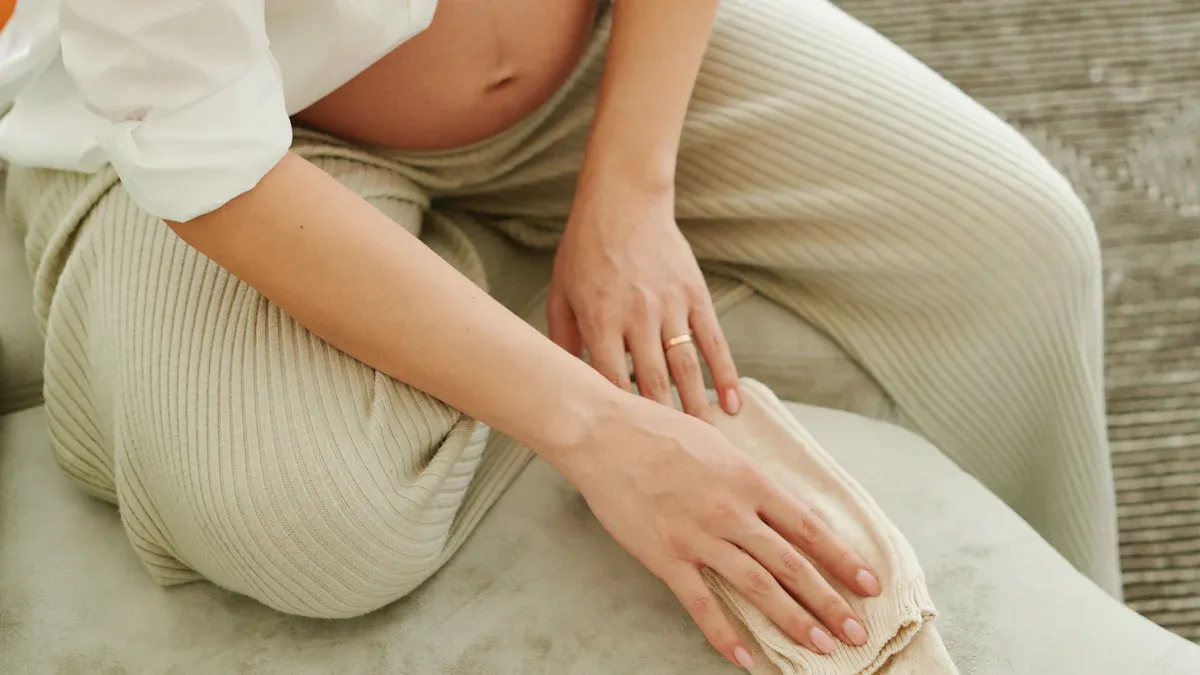
Putting on compression socks can be tricky as your belly grows. Bend your knee and rest your lower leg horizontally to make it easier. Always check your skin for redness or irritation. If you feel pain or notice changes, talk to your doctor right away.
Note: Healthcare professionals can help you find the best socks and teach you how to wear them safely.
Compression socks give your legs the support they need during pregnancy. With the right level, fit, and style, you can stay comfortable and healthy.
Your legs can feel heavy or tired when you are pregnant. Your veins work harder to send blood back to your heart. Sometimes, your veins cannot do this well. This can cause venous insufficiency. Compression stockings give your legs extra support. They gently squeeze your lower legs. This helps your veins push blood up. You feel less heavy and more comfortable.
Compression stockings lower swelling for pregnant women.
They help blood move better, which is important in pregnancy.
They stop deep vein thrombosis (DVT) by helping blood flow.
Compression stockings ease restless leg syndrome symptoms.
One study showed a 25% drop in edema problems for pregnant women who wore compression stockings.
Tip: Put on your compression stockings in the morning. This helps stop swelling before it starts.
Swelling, called edema, happens a lot in pregnancy. Your body keeps more fluid, and your baby presses on your veins. Compression stockings help move extra fluid out of your legs. Your ankles and feet may look less swollen. Your shoes might fit better. Walking and standing can feel easier. Many women say wearing compression stockings every day helps them do daily tasks.
Your body needs time to heal after having a baby. Swelling can last for days or weeks. Compression stockings still help during this time. They keep blood moving and lower leftover swelling. You may feel more energy as your legs get better.
Wearing maternity compression socks helps you recover faster by improving blood flow.
They lower swelling that can stay after childbirth.
Better blood flow helps you get energy back and eases pain in your legs and feet.
Note: Keep wearing your compression stockings after your baby is born. They help your legs heal.
After birth, your risk of blood clots stays high. Compression stockings protect you by keeping blood moving. They also help your legs feel lighter and less sore. Many new moms say compression stockings make it easier to stand, walk, and care for their baby.
Compression stockings and leggings help blood move better after childbirth.
They lower swelling, which is common after having a baby.
There is strong proof that they help people at risk for blood clots.
You help your legs heal and stay healthy when you use compression stockings before and after pregnancy.
Many expectant mothers share how compression socks made a difference in their daily comfort. You might feel unsure at first, but hearing from others can help you decide.
"My ankles used to swell so much by the end of the day. After I started wearing compression socks, I noticed my shoes fit better and my legs felt lighter," says Emily, a mom from Texas.
You may find that your swelling goes down after just a few days. Some women say they can walk longer without pain. Others mention that their feet do not feel as tight or sore.
You may see less puffiness in your ankles and feet.
You might notice you can move around more easily.
Some moms say their socks help them feel more energetic.
Comfort matters during pregnancy. Many women say compression socks help them rest better at night.
"I used to wake up with sore legs, but now I sleep through the night. The socks really help with the aching," shares Sarah, a first-time mom.
You may also find that compression socks make long days at work easier. If you stand or sit for hours, your legs can feel tired. Compression socks give gentle support, making your day more comfortable.
Compression socks can relieve discomfort from swollen feet and ankle pain.
Some moms say they improve sleep quality.
You may feel less heaviness in your legs after wearing them.
Moms who have used compression socks often share helpful tips. You can try these ideas to get the best results:
Elevate your legs when possible.
Wear comfortable shoes and avoid high heels.
Reduce salt in your meals.
Avoid sitting or standing for too long.
Drink plenty of water to help your circulation.
Take breaks from hard activities.
Exercise with your doctor’s approval.
Use compression socks for gentle pressure to reduce swelling.
You can also choose different types of compression wear. Some moms like open-toe socks for sandals. Others prefer full-length tights for more support. Calf sleeves work well if you want to target your lower legs.
Starting something new can feel strange, but many moms say compression socks are worth it. You can begin by wearing them for a short time each day. As you get used to them, you can wear them longer.
"I was nervous at first, but now I wear my socks every day. They help me feel better and keep up with my busy life," says Jessica, a mom of two.
You can wear compression socks safely for long periods, even while sleeping. They help prevent blood and fluid from pooling in your legs. If you travel or stay still for a long time, compression socks give extra support. Always talk to your doctor for advice that fits your needs.
You are not alone. Many moms find relief and comfort with compression socks during pregnancy. Give them a try and see how they help your legs feel happier and healthier.
You can help your legs stay healthy when you are pregnant by wearing compression socks. Many women who are pregnant feel better because these socks help with swelling, pain, and feeling uncomfortable. Studies show that compression socks can make swelling go down, stop varicose veins from starting, and lower the chance of getting blood clots. The table below shows the main ways compression socks help:
Benefit | Research Findings |
|---|---|
Reduce Swelling | Graduated compression socks made swelling in legs and feet less. |
Alleviate Pain and Discomfort | Using them often made leg pain less and helped people feel better. |
Prevent Varicose Veins | Compression stockings made it less likely to get varicose veins. |
Reduce Risk of Blood Clots | Compression stockings lowered the chance of blood clots during pregnancy. |
Improve Sleep Quality | Wearing compression stockings helped pregnant women sleep better. |
Always ask your doctor before you start using compression socks. You should have legs that feel good and healthy while you are pregnant.
Compression socks use gentle pressure to help blood move up your legs. You feel less swelling and pain. Your legs stay comfortable and healthy.
You should put on compression socks in the morning before your legs swell. Wear them all day if you stand or sit for long periods. Take them off before bed.
Most pregnant women can wear compression socks safely. You should talk to your doctor first if you have diabetes, skin problems, or blood flow issues.
Measure your ankle, calf, and thigh in the morning. Use a tape measure for accuracy. Ask your doctor or pharmacist for help if you feel unsure.
Tip: A good fit helps the socks work better and keeps you comfortable.
Yes, you can keep wearing compression socks after your baby arrives. They help reduce swelling and support your legs while you recover.
Compression socks help blood move faster in your legs. This lowers your risk of blood clots, especially during pregnancy and after birth.