Foshan Mingjun Textile Company Ltd.

Views: 0 Author: Site Editor Publish Time: 2025-06-21 Origin: Site
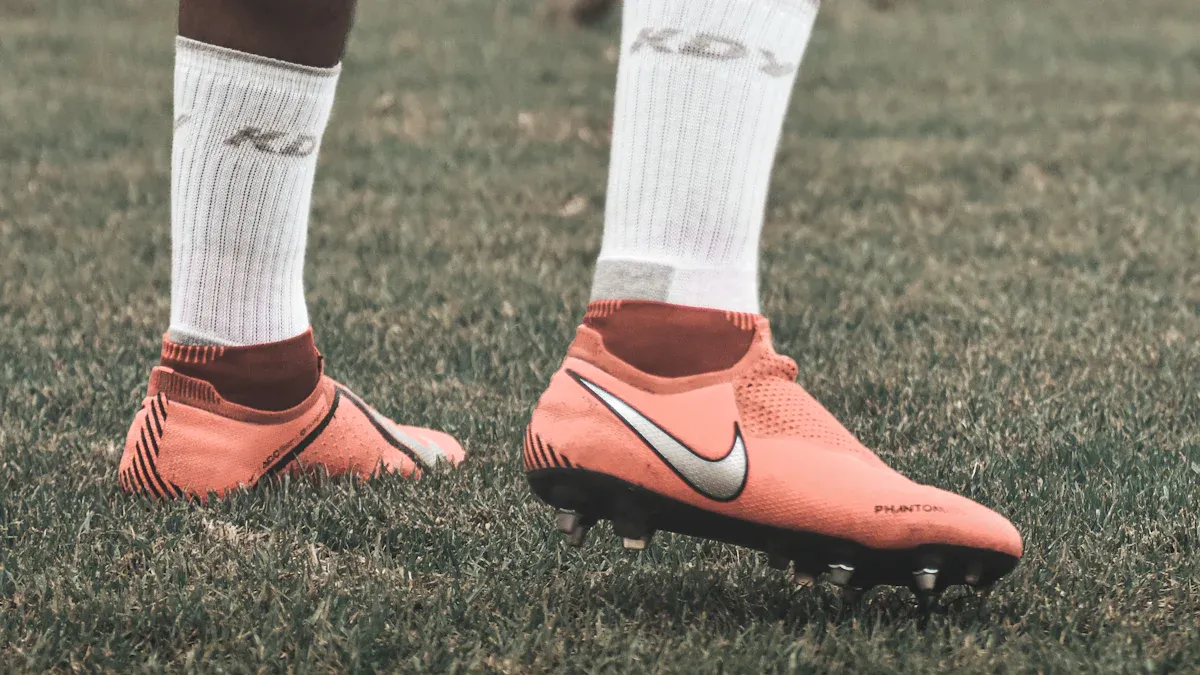
You should wear football socks pulled up below your knee. The socks should fit tightly over your shin guards. This helps keep your legs covered and supported. The right sock height and fit are important for comfort and safety. If socks do not fit well, they can rub or slip in your boots. This can sometimes cause ankle injuries.
Before the FIFA 2019 Women's World Cup, unisex socks made players choose between foot fit and leg fit. This caused discomfort and problems with how they played.
Brands like MINGJUN Hosiery Co., Ltd. now have new features. These include 3D anti-slip cuffs and special shin guard channels. These help you get a safe and comfy fit every game.
Pull your football socks up to just below your knee. This helps cover and hold your shin guards for better safety and support.
Pick socks made from stretchy, moisture-wicking materials. These keep your feet dry and comfy. They also help stop blisters while you play.
Use socks with anti-slip cuffs or shin guard channels. You can also wear grip socks underneath. This keeps your socks and guards in place and helps you stay steady.
Do not pull your socks too tight or leave wrinkles. This can cause pain, blisters, or injuries while playing.
Take care of your socks by washing them inside out with gentle detergent. Let them air dry to keep their shape, comfort, and strength.
You need to understand the importance of football socks for your safety on the field. These socks do more than just cover your legs. They help keep your shin guards in place, which protects your shins from hard kicks and tackles. When you wear football socks the right way, you lower the chance of your shin guards slipping during a match.
Scientific studies show that grip socks improve foot stability by increasing friction between your foot and your shoe. This reduces the chance of your foot sliding inside your boot during quick moves.
Better traction from grip socks helps you change direction faster, which can make you a stronger player.
When your feet stay stable, you are less likely to get blisters, toe stubs, or ankle sprains.
Compression socks also support your ankles and legs. They help blood flow and can speed up recovery after a tough game. However, no sock can fully prevent injuries like fractures or stubs. You still need to play carefully and use the right gear.
Tip: Always check that your football socks fit snugly over your shin guards before you step onto the field.
The importance of football socks goes beyond protection. You want to feel comfortable during every match. Good football socks use special materials that wick away sweat and keep your feet dry, even in rainy weather. This helps you avoid blisters and keeps your focus on the game.
When your socks fit well, you move better. High-quality football socks, like those from MINGJUN Hosiery Co., Ltd., use high-elastic fibers. These fibers stretch with your movements and do not tear easily. You can stop, turn, and sprint without worrying about your socks slipping or bunching up.
The importance of football socks also shows in your performance. Socks with anti-slip cuffs and secure shin guard channels help you play your best. You stay comfortable, supported, and ready for every challenge on the field.
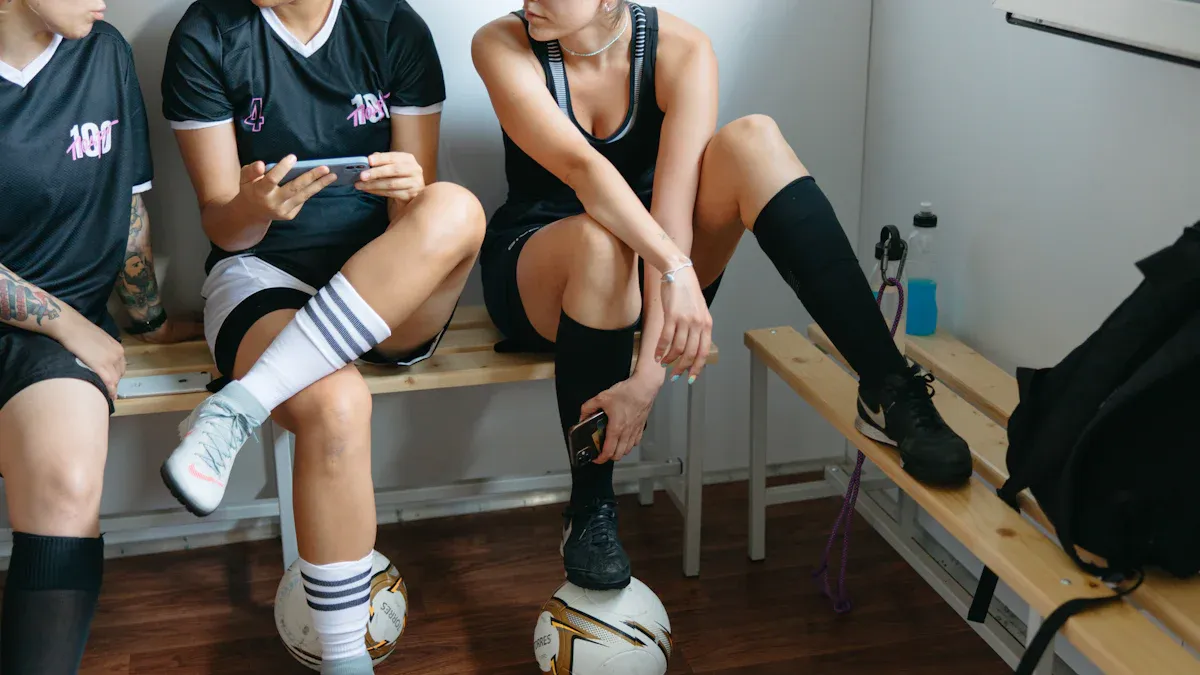
Before you start wearing football socks, you need to get your shin guards ready. Place your shin guards directly on your shins, making sure they sit comfortably and cover the area between your ankle and knee. Most professional players recommend using shin guards with a curved shape that fits your leg. This helps prevent them from moving during play. If your socks have embedded shin guard channels, like those from MINGJUN Hosiery Co., Ltd., slide the guards into these channels. The elastomeric material in these channels holds the guards in place, giving you extra stability and comfort. Always check that your shin guards do not pinch or leave gaps, as this can affect your protection and performance.
Tip: Make sure your shin guards are secure before you pull up your socks. This step is key for both comfort and safety.
Now you can start wearing football socks. Begin by choosing socks made from moisture-wicking materials. This keeps your feet dry and comfortable, even during intense matches. Pull the socks up all the way to just below your knee. This height protects your legs and keeps your shin guards stable. If you use the stirrup technique, put on a thin, knee-high sock underneath your main football socks. Cut the foot off the inner sock to create a stirrup that goes under your heel. This method helps keep your socks in place and prevents slipping.
When you pull your socks over your shin guards, make sure the fit is snug but not too tight. Smooth out any wrinkles or bunching, as these can cause discomfort or blisters. Professional players often fold the top of their socks down to create a double layer at the knee. This adds extra grip and keeps the socks from sliding. MINGJUN Hosiery Co., Ltd. football socks feature 3D anti-slip cuffs and high-elastic fibers. These details help the socks stay up and adapt to quick movements, so you do not have to adjust them during play.
Biomechanical research shows that wearing football socks with high friction and compression zones reduces foot sliding inside your boots. This improves your stability and helps you move with more control during sidecuts and turns. Compression zones also support your muscles and reduce fatigue, which can help you play longer and recover faster.
After you adjust your socks, you need to secure them for the match. Many players use athletic tape around the top of their socks, just below the knee. Wrap the tape firmly, but do not make it too tight. You want to keep your socks and shin guards in place without cutting off blood flow. Some leagues require tape to match the color of your socks, so check your team’s rules before you play.
Another popular method is to put on grip socks under your football socks. Quality grip socks have silicone grip zones on the sole and heel. These zones lock your foot inside your boot and reduce internal slippage. When you put on grip socks, you increase your agility and precision during quick moves. You also improve your comfort and reduce the risk of blisters. Many professionals use grip football socks for extra security and better energy transfer on the field.
Note: Always avoid bunching or folding your socks in a way that creates pressure points. This can cause discomfort and distract you during the game.
If you follow these steps, you will know how to wear football socks like a pro. You will enjoy better comfort, stability, and performance every time you step onto the field.
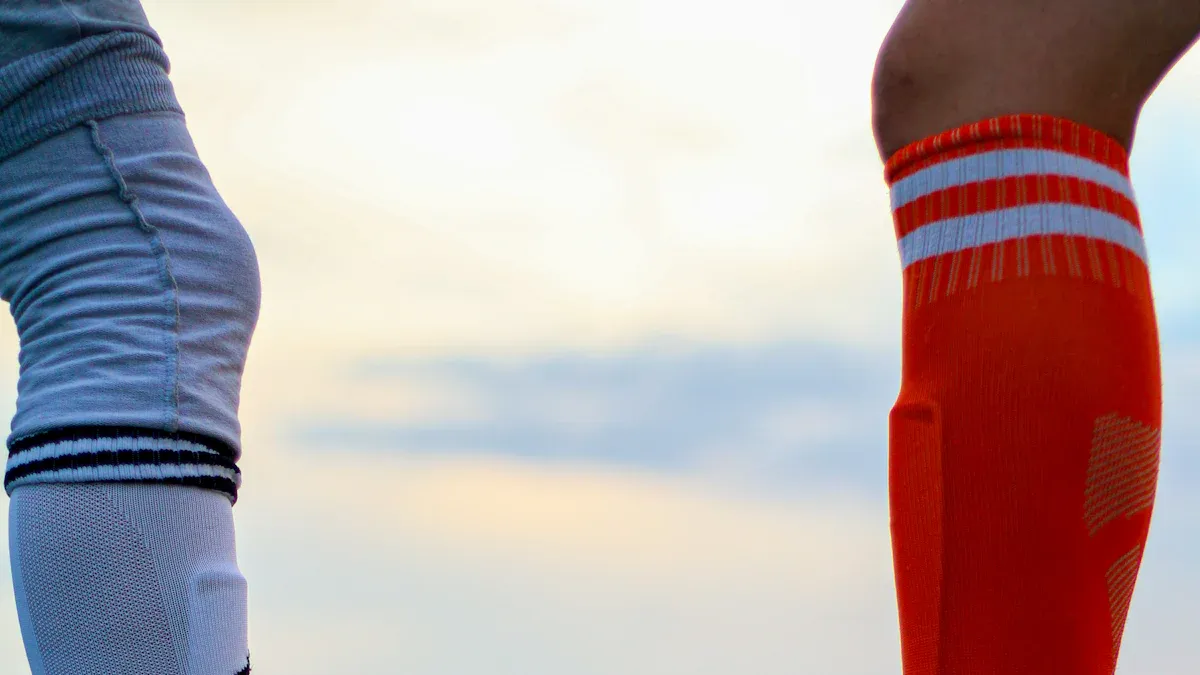
When picking football socks, focus on what they are made of and how they fit. The best socks use special fabrics that keep your feet dry and comfy. Synthetic fibers like polyester and nylon are strong and pull sweat away from your skin. Cotton is soft but holds sweat, which can give you blisters. Many top brands, such as MINGJUN Hosiery Co., Ltd., use double-layer mesh and stretchy fibers. These help the socks move with you and keep their shape during tough games.
Look for socks with smooth toes and soft bottoms. These parts help stop rubbing and cushion your steps. Tight spots around the arch and ankle support your muscles and help blood flow. Wearing team socks that fit right can help stop blisters and injuries.
Here is a quick comparison of common materials:
| Material Type | Comfort | Durability | Performance Features |
|---|---|---|---|
| Cotton | Soft, breathable | Holds moisture | Can cause blisters |
| Synthetic Fiber | Wicks moisture | Very durable | Breathable, flexible, stays dry |
| Merino Wool | Warm, soft | Odor resistant | Regulates temperature, wicks moisture |
| Bamboo Fiber | Silky, hypoallergenic | Abrasion resistant | Absorbs sweat, prevents overheating |
Good socks have more than just nice fabric. You want features that help you play better and feel good. Look for anti-slip parts, like 3D rubber cuffs, to keep your socks up. Built-in shin guard channels hold your guards so you do not need to fix them during play. Mesh panels that let air in help keep your feet cool, even if it rains.
Some top football socks have grip shapes on the bottom. These help your feet stay in place inside your boots, so you can move fast and safe. You can also pick socks with your team’s colors or logo to show team pride and play your best.
Tip: Try different types and features to find socks that fit your style and feel good when you play.
You also need to think about team and league rules when picking football socks. Many leagues want players to wear socks that match the team’s uniform. Some rules say how high your socks should be or what color tape you can use. Always check your league’s rules before buying new socks.
When you follow these rules and pick the right socks, you stay comfy, safe, and ready to play well. Picking the right football socks helps you meet both team and game needs.
You want to get the most out of your gear, so you need to avoid common mistakes when wearing football socks. Many players pull their socks too tight, which can cut off circulation and cause discomfort. Loose socks can slip down and bunch up, leading to blisters or even injuries. You should always check that your socks fit snugly but do not squeeze your legs.
Tip: Smooth out any wrinkles before you put on your boots. Wrinkles can rub against your skin and cause pain during the match.
Some players forget to use anti-blister football socks. These socks use special materials and seamless designs to prevent friction and keep your feet safe. If you skip this step, you risk blisters and sore spots that can slow you down. Another common mistake when wearing football socks is ignoring the placement of shin guards. Always make sure your shin guards sit securely inside the sock channels. This keeps them from sliding and protects your legs.
You can boost your comfort and confidence by personalizing your socks. The best socks for football offer features like arch support, extra cushioning, and compression zones. These details help your socks fit your feet and legs perfectly. Anti-blister football socks use moisture-wicking fibers and seamless toes to keep your feet dry and comfortable.
Scrunch socks give you a snug fit and help stop slippage.
Arch support and cushioning add comfort and reduce pain.
Compression zones improve blood flow and help your muscles recover faster.
You can also choose socks in your favorite colors or with your team’s logo. Many athletes now pick custom socks to show their style and team pride. Anti-blister football socks come in many sizes and designs, so you can find a pair that matches your needs. Experts say that picking the right size and fit helps you avoid discomfort and play your best. Advances in materials mean you get socks that last longer and protect your feet better.
Note: Personalizing your socks is not just about looks. It helps you stay comfortable, avoid injuries, and perform with confidence.
You want your socks to last and perform well. Start by turning your socks inside out before washing. This protects any grip surfaces and keeps the fabric strong. Use cold or lukewarm water with a mild detergent. Avoid bleach and fabric softeners because they can break down elastic fibers and damage grip elements. Always wash your socks on a gentle cycle.
Air drying works best for keeping socks in top shape. Lay them flat in a shaded area, away from direct sunlight and heat. This helps preserve elasticity and prevents the grips from wearing out. If you must use a dryer, choose a low heat and gentle cycle. High heat can shrink socks and weaken their structure. Never dry socks in direct sunlight, as this can fade colors and damage the fabric.
Tip: Air drying not only keeps your socks looking new but also helps them keep their fit and comfort.
Proper storage keeps your socks fresh and ready for every game. Store them in a cool, dry place with steady temperature and low humidity. Avoid direct sunlight and dusty areas. Use breathable garment bags or mesh storage bags to allow airflow and protect from dust and moisture. This also helps reduce odor buildup.
Fold knit or stretch socks flat instead of hanging them. Hanging can stretch the fabric and change the shape.
Do not cram socks into tight or damp spaces. This can cause mildew and make them lose their shape.
Avoid overcrowding your storage area. Give each pair enough space to prevent crushing and fabric damage.
You can keep your socks in great condition by following these steps. Good care means your socks will last longer and stay comfortable every time you play.
You will feel more comfortable and play better if you wear and care for your socks the right way. Look for socks with compression zones, moisture-wicking fabric, and special shapes to fit your feet. Studies show that compression and textured socks help you balance, kick faster, and stay steady:
| Key Finding | Description |
|---|---|
| Better ankle movement and kicking | Compression socks help your ankles move and make your kicks stronger. |
| More feedback for your feet | Textured socks help you move better and keep your balance. |
Socks that pull sweat away and last longer help you stay focused.
Taking care of your socks helps them work well and last longer.
Test out different sock features and ways to wear them to play your best.You can also contact us and we will give you some suggestions.
You should pull your football socks up just below your knee. This covers your shin guards and keeps your legs protected. Make sure the socks feel snug but not too tight.
Yes, you can wash football socks in a machine. Turn them inside out and use cold or lukewarm water. Choose a gentle cycle and avoid bleach. Air drying helps keep the socks in good shape.
Socks with 3D anti-slip cuffs, high-elastic fibers, or compression zones help prevent slipping. These features keep your socks in place, even during fast movements.
You benefit from socks with moisture-wicking mesh in wet conditions. These socks keep your feet dry and comfortable. Brands like MINGJUN Hosiery Co., Ltd. design socks for tough weather and intense play.
Smooth out wrinkles before putting on your boots.
Choose socks with a snug fit and anti-slip features.
Fold the top of the socks down for extra grip.
Proper fit and adjustment help you avoid bunching and discomfort.


