Foshan Mingjun Textile Company Ltd.

Views: 0 Author: Site Editor Publish Time: 2025-10-23 Origin: Site
Staying warm and dry while skiing is all about smart layering, and knowing the answer to “do ski socks go over or under thermals” is key. The importance of layering isn’t just about adding more clothes—it’s about wearing them in the right order. If you’re asking yourself, do ski socks go over or under thermals, you’re definitely not alone. Getting this detail right helps you maximize the benefits of layering:
You’ll experience real comfort and better mobility on the slopes.
You’ll keep sweat off your skin, protecting yourself from cold-related problems.
You’ll retain your body heat, so you can enjoy skiing for longer.
Layering ski socks under thermals keeps your feet warm and dry. This order prevents bunching and pressure points inside your boots.
Choose the right materials for your base layers. Merino wool, blends, and polyester offer warmth and moisture-wicking properties.
Opt for 3/4 length thermals to avoid extra fabric inside your boots. This design helps maintain blood flow and prevents chafing.
Always check the fit of your ski socks. A snug fit prevents movement and blisters, ensuring comfort throughout your skiing day.
Adjust your layers based on weather conditions. Start with a good base and add or remove layers as needed for comfort.
When you head out for a day on the slopes, you want to feel cozy and free to move. The right skiing clothes layers make all the difference. Each layer has a job. The base layer sits next to your skin and keeps you comfortable by pulling sweat away. The mid layers trap heat, so you stay warm even when the wind picks up. Outer layers shield you from snow and cold air.
Tip: Choose essential skiing clothes layers that fit well and let you move easily. You do not need bulky gear to stay warm on the slopes.
Here’s how the layers work together to boost comfort and warmth:
Base layers provide comfort and wick sweat away from your skin.
Mid layers offer insulation, keeping your body heat close.
Outer layers protect you from wind and wet snow, letting you focus on skiing.
You get three big benefits from proper layering:
Reliable warmth: The right layers trap heat, so you stay warm in any weather.
Maximum comfort: You can move freely without heavy, stiff clothing.
Safety first: Dry, warm layers help you avoid hypothermia and enjoy your day.
Moisture can ruin your day fast. If sweat stays on your skin, you get cold. That’s why skiing clothes layers with moisture-wicking power matter so much. The base layer pulls sweat away, and the mid layers move it out toward the outer layers. Outer layers keep rain and snow from getting in.
Moisture-wicking fibers in base layers pull sweat away quickly.
Mid layers absorb moisture and keep you dry.
Outer layers block wind and water, so you stay comfortable.
If you skip proper layering, you risk trapping moisture against your skin. This can make you lose heat fast and even lead to frostbite. Some skiers have noticed that moisture can build up and cause discomfort, especially around the face and neck. Good skiing clothes layers help you avoid these problems and keep your skin healthy.
Remember, proper layering matters for insulating and regulating body temperature. When you pick the right base, mid, and outer layers, you stay dry, warm, and ready for anything the mountain throws at you.
Choosing the right base layers can make or break your day on the slopes. You want something that keeps you warm, wicks away sweat, and feels good against your skin. The best base layer materials for skiing are Merino wool, blends, and polyester. Each one has its own strengths. Take a look at this quick comparison:
| Material | Warmth Rating | Notes |
|---|---|---|
| Merino wool | Excellent | Best warmth-to-weight ratio, thermoregulating, naturally odor-resistant, but more expensive. |
| Blends | Very good | Combines warmth of Merino with durability of synthetics. |
| Polyester | Good | Durable, resists light gusts, but less warm than Merino. |
Merino wool stands out for its warmth and ability to regulate temperature. You stay cozy without overheating. Blends give you a mix of warmth and toughness. Polyester works well if you want something affordable and easy to care for. All these base layers help move sweat away from your skin, which keeps you dry and comfortable. You avoid chills and stay focused on the fun.
Tip: Merino wool base layers feel soft and fight odors, but you need to wash them gently to keep them lasting longer.
Fit matters just as much as material. You want your base layer to hug your body without feeling tight. A snug fit helps the base layers wick moisture better and keeps you warm. Loose base layers can bunch up and trap cold air, which ruins your insulation.
When it comes to length, 3/4 length thermals are a game changer. They stop just above your ski socks, so you avoid extra fabric inside your boots. Here’s why skiers love them:
3/4 length thermals prevent bunching with ski socks, which means no annoying wrinkles or pressure points.
You keep blood flowing to your feet, which helps you stay warm and avoid cramps.
No overlapping fabric means less risk of chafing or blisters during long days on the mountain.
You want your base layers to work with your mid and outer layers. Good thermal tops and leggings set the stage for great insulation and comfort. When you pick the right base, you build a strong foundation for your mid and outer layers to do their job.

When you pick socks for skiing, you want to think about material and thickness considerations for ski socks. The right choice keeps your feet warm, dry, and comfortable all day. Take a look at this table to see how different materials work:
| Material | Benefits |
|---|---|
| Merino Wool | Excellent insulation, moisture-wicking, odor resistance, soft and comfortable for all-day wear. |
| Synthetic | Cost-effective, superior moisture-wicking properties, quick-drying, but less warmth. |
| Nylon | Increases durability, helps maintain sock shape, provides a snug fit. |
Merino wool socks feel soft and keep your feet warm. Synthetic socks dry fast and move sweat away from your skin. Nylon adds strength and helps socks stay in place. You should avoid cotton because it holds moisture and makes your feet cold.
Thickness matters too. Thinner socks can make your boots fit better and help your feet stay warm. They let blood flow easily, so you don’t get cold toes. Thicker socks might seem warmer, but they can bunch up and cause blisters. You want socks that work with your mid and outer layers, not against them.
Thick socks may provide additional warmth but can lead to a snug boot fit, which may compromise blood flow and lead to cold feet.
Choosing the right fit for ski socks is just as important as picking the right material. Socks should hug your toes, ankles, and shins without squeezing too tight. This stops them from moving around and causing blisters. You need enough room to wiggle your toes, so your feet don’t lose circulation.
A snug fit around toes, ankles, and shins prevents movement and bunching, which can lead to blisters.
Make sure you can move your toes freely.
Look for socks with flat seams to avoid irritation.
Compression can offer several advantages for skiers. It may help reduce muscle fatigue, improve oxygen delivery to muscles, and aid in recovery after a long day on the slopes.
If you focus on choosing the right fit for ski socks, you’ll notice your feet stay warmer and more comfortable. Socks that fit well work with your mid and outer layers, helping you enjoy skiing without distractions.
You might wonder, do ski socks go over or under thermals? This is one of the most common questions skiers ask. The answer is simple. You should always wear ski socks under your thermals. This proper order of layering keeps your feet warm, dry, and comfortable all day. If you put thermals over your socks, you avoid bunching and pressure points inside your boots. You also help your socks do their job better.
Let’s break down the steps so you can get the layers right every time. When you follow these steps, you set yourself up for maximum comfort and warmth on the slopes.
Start with clean, dry skin.
Make sure your feet and legs are dry before you begin. This helps your layers work better.
Put on your ski socks first.
Pull your socks up so they sit flat against your skin. Smooth out any wrinkles. Your socks should cover your feet and lower legs, stopping just below your knees.
Add your thermals next.
Choose 3/4 length thermals if you can. Pull them on so the bottom edge sits above your socks. This keeps the layers from overlapping inside your boots.
Check for comfort and fit.
Move your feet and legs. Make sure nothing feels tight or bunched up. Your layers should feel smooth and snug, not bulky.
Finish with your outer layers.
Add your ski pants and boots last. Make sure your boots fit well over your socks and thermals.
Tip: Always follow this order when you get dressed for skiing. It helps you avoid discomfort and keeps your feet warm all day.
Here’s a quick table to help you remember the steps:
| Step | What to Wear | Why It Matters |
|---|---|---|
| 1 | Ski socks | Direct contact with skin for warmth and moisture control |
| 2 | Thermals | Sits above socks to prevent bunching and pressure |
| 3 | Outer layers | Protects from wind, snow, and cold |
When you use the right layers in the proper order, you get the best results. You stay warm, dry, and ready for a full day of skiing.
Bunching can ruin your day on the mountain. If your layers bunch up inside your boots, you might feel pain, lose circulation, or even get blisters. You want your layers to work together, not against each other.
Here’s how you can prevent bunching and keep your comfort level high:
Choose 3/4 length thermals.
These stop above your socks, so you don’t have extra fabric inside your boots.
Smooth out your socks and thermals.
Before you put on your boots, run your hands over your legs. Make sure your socks and thermals lay flat.
Pick the right size.
Socks and thermals that fit well stay in place. Avoid anything too loose or too tight.
Check your boots.
After you put on your boots, walk around a bit. If you feel any bunching, take off your boots and fix your layers.
Note: Never tuck your thermals into your ski socks. This can cause wrinkles and pressure points. Always keep your socks under your thermals for the best comfort.
If you follow these tips, you will notice a big difference in how your feet and legs feel. You will enjoy better comfort, fewer problems, and more fun on the slopes. The right layers and the right order make all the difference. Next time someone asks, do ski socks go over or under thermals, you will know exactly what to say!
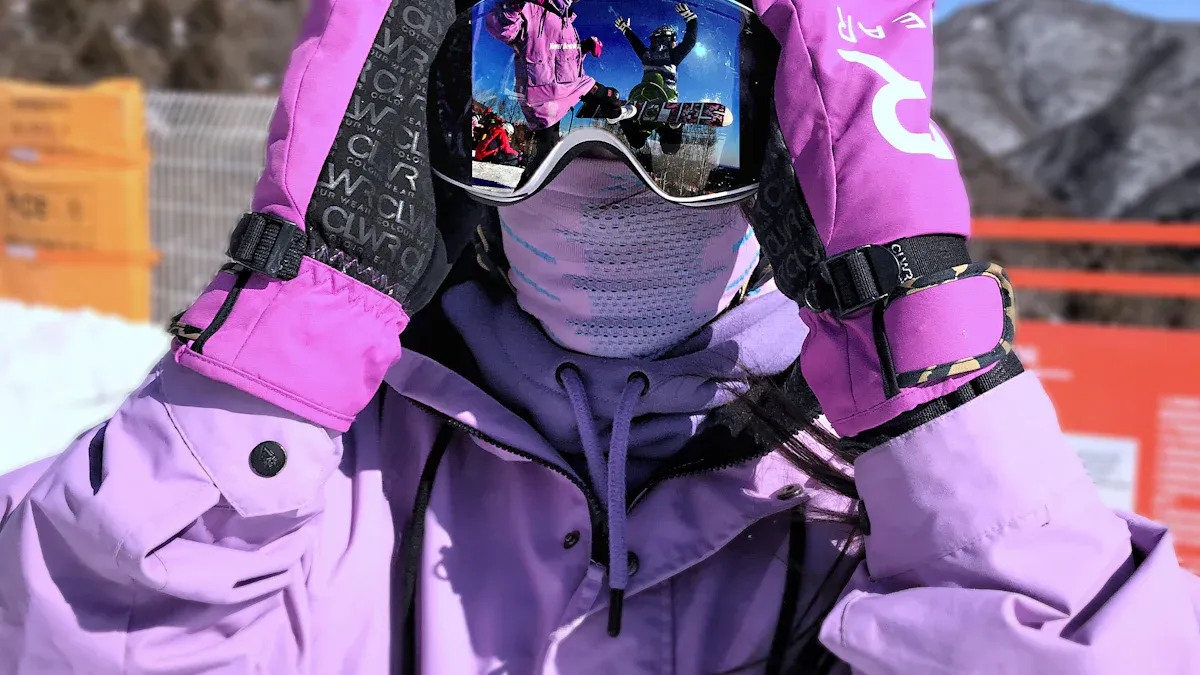
Weather on the mountain can change fast. You need to know how to layer for skiing in all kinds of conditions. If it is cold and windy, you want more layers. If the sun comes out, you might need fewer layers. Always start with a good base. Add a mid layer for warmth. Use an outer layer to block wind and snow.
Here are some tips for layering skiing clothes when the weather changes:
Wear a light base layer on warm days. Add a thin mid layer if you feel chilly.
On cold days, pick a thicker base layer. Add a fleece or insulated mid layer.
Always bring a waterproof outer layer. This keeps you dry if it starts to snow.
Use zippered layers. You can open or close them to control your body heat.
Pack an extra layer in your backpack. You can add or remove it as needed.
Tip: Check the weather before you leave. Plan your layers so you stay comfortable all day.
Many people make mistakes when they learn how to layer for skiing. These mistakes can ruin your comfort and fun. Here are some common problems and how to fix them:
| Mistake | How to Fix It |
|---|---|
| Wearing too many layers | Use only what you need. Too many layers can make you sweat. |
| Choosing cotton layers | Pick wool or synthetic layers. Cotton holds moisture. |
| Not smoothing out layers | Always flatten your layers to stop bunching. |
| Ignoring fit | Make sure your layers fit well. Loose layers can bunch up. |
| Forgetting to adjust layers | Change your layers as the weather changes. |
Remember, the best tips for layering skiing clothes focus on comfort and flexibility. Try different layers at home before you go skiing. This helps you find what works best for you.
You now know how to layer for comfort on the slopes. Start with ski socks, then pull on your thermals, and finish with your outer layers. Pick materials that feel good and fit well. Try different combinations at home to see what gives you the most comfort. Ready to hit the mountain? Use these tips on your next skiing adventure and enjoy every run!
Wash both in cold water with mild detergent. Avoid fabric softeners. Let them air dry. This keeps the materials working well and helps them last longer.
No, you should wear only one pair. Two pairs can cause bunching and blisters. One good pair keeps your feet warm and comfortable.
Try moving your toes inside your boots. Take a break indoors if needed. Make sure your socks and boots fit well. Wet socks can make your feet cold, so always start with dry ones.
Yes, thermals made for skiing wick moisture and keep you warm. Regular cotton thermals hold sweat and can make you cold. Choose Merino wool or synthetic materials for best results.
Replace them when they lose shape or feel thin. Worn-out socks do not protect your feet well. Good socks help you enjoy skiing without discomfort.


