Foshan Mingjun Textile Company Ltd.

Views: 0 Author: Site Editor Publish Time: 2025-10-03 Origin: Site
You know that feeling when your toes start to tingle or go numb on the slopes? Cold feet can ruin a great ski day. If you want to keep your feet warm, focus on smart choices like proper socks, well-fitted boots, and pre-warming your gear. Take a look at what causes cold feet most often:
Cause of Cold Feet | Details |
|---|---|
Low Temperature | Caused pain sensation in the ski boot. |
High Moisture | Likely affected thermal insulation. |
Liner Material | High water absorption capacity suggested to prevent wet feet. |
Try these 5 tips to keep your feet warm skiing this winter and stay warm all day.
Pick thin socks that fit close to your feet. Merino wool or synthetic blends help keep feet warm and dry.
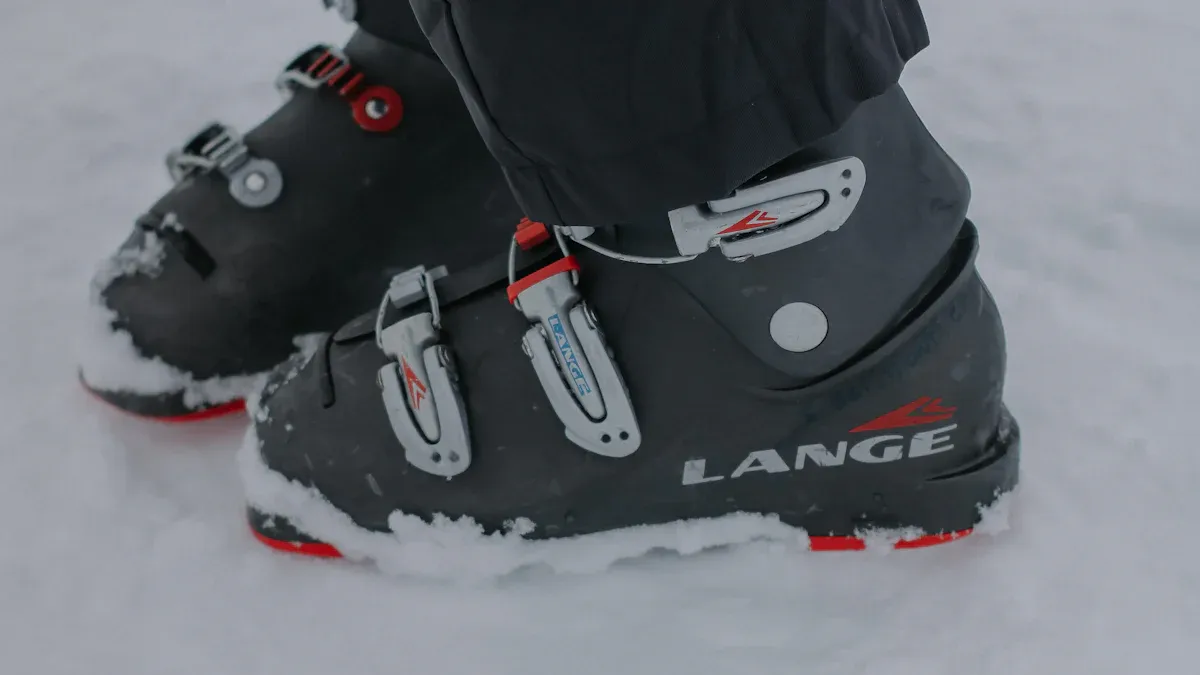
Make sure your ski boots fit well. They should be snug but not squeeze your feet. Good blood flow keeps feet warm.
Warm your boots before you ski. Put them in a warm spot or use a boot dryer. This makes your feet more comfortable.
Use boot heaters or foot warmers on very cold days. Always follow safety rules when using them.
Move your feet while skiing. Wiggle your toes and take breaks. This helps blood flow and keeps feet warm.
Dry your boots and socks every night. This stops moisture from building up and keeps feet from getting cold.
Wear layers to control your body temperature. Do not wear clothes that are too tight. Tight clothes can slow blood flow.
Drink water and eat snacks. Staying hydrated and fed helps your body stay warm and gives you energy.
If you want to enjoy every run and avoid cold feet, you need to follow these 5 tips to keep your feet warm skiing this winter. Let’s break down the first three steps so you can hit the slopes with confidence.
Picking the right socks is the first step to warm, happy feet. You might think thicker is better, but that’s not always true. The best socks for skiing are thin, snug, and made from special materials.
The material of your socks matters a lot. Merino wool stands out because it keeps your feet warm even when wet and wicks away sweat. Synthetic socks dry quickly and last a long time. Blended socks combine the best features of both.
Material | Thermal Properties |
|---|---|
Merino Wool | Natural moisture-wicking, retains warmth when wet |
Synthetic | Durable, quick-drying capabilities |
Blends | Combines benefits of wool and synthetics |
Wool socks help regulate temperature and keep your feet comfortable. If you want the best results, look for socks with a high merino wool content.
Cotton socks trap moisture and lose warmth fast. If you wear cotton, your feet get cold and damp. Always skip cotton and choose proper socks designed for skiing.
Tip: Merino wool or synthetic blends keep your feet dry and warm all day.
Your socks should fit snugly without bunching up. Loose socks can wrinkle and cause blisters. Tight socks cut off circulation. Try on different brands until you find the right socks that feel just right.
Boots play a huge role in keeping your feet warm. If your boots don’t fit well, you’ll struggle to stay comfortable.
A good boot fit means your feet feel secure but not squeezed. Boots that are too tight stop blood from flowing, which makes your feet cold. Boots that are too loose let cold air in. When you get fitted, make sure the pressure feels even and you can wiggle your toes.
Note: A well-fitted insole can boost warmth by helping blood flow better.
Boot liners add extra warmth. Some boots have liners made from materials that trap heat and wick away moisture. If you get cold feet easily, ask about boots with extra insulation or consider heated insoles.
Starting with warm boots makes a big difference. Cold boots zap heat from your feet right away, so you want to avoid that.
Always dry your boots after skiing. Wet liners get cold fast. Use a boot dryer or take out the liners and let them air out. Dry boots help you start the day warm.
Keep your boots warm in the car near the heater or use a heated boot bag. Plug-in boot dryers work great, too. When you put on warm boots, your feet adjust faster and stay comfortable longer.
Tip: Pre-warming your boots is one of the 5 tips to keep your feet warm skiing this winter that many skiers forget, but it really works.
Cold feet can sneak up on you, even if you have the right socks and boots. Sometimes, you need a little extra help. Boot heaters and warmers give your feet that boost of warmth, especially on the coldest days. Let’s look at the most popular options and how they work.
Electric boot heaters are a game-changer for many skiers. These devices fit inside your boots and use small heating elements to keep your feet toasty. Most run on batteries, so you can adjust the heat while you ski. Some even come with remote controls for easy changes on the lift.
Here’s a quick look at the different types you might see:
Type | Description |
|---|---|
Boot Warmers | Warm up your ski boots before you put them on, usually powered by electricity. |
Heating Elements | Small, battery-powered devices that sit inside your boots and provide steady warmth. |
Foot Warmers | Disposable or battery-operated, these last up to 10 hours and are easy to use. |
Battery-Operated Devices | Simple to use, often with remote control, and keep your feet warm while you ski. |
Tip: Always buy electric boot heaters from trusted brands. This helps you avoid problems like burns or fire hazards from faulty batteries.
When you use electric boot heaters, keep these safety tips in mind:
Check your heaters for any damage before each use.
Never sleep with heated socks or boot heaters on.
Watch for signs of overheating, like a burning smell or hot spots.
Replace batteries if they look worn out or damaged.
You want your feet warm, but you also want to stay safe!
Disposable foot warmers are a simple fix for cold toes. You just open the package, shake them, and slip them into your boots. They start to heat up right away and can last up to 10 hours. These are great for long days or if you don’t want to mess with batteries.
You can use them on really cold days or keep a few in your bag for emergencies. Place them under your toes or on top of your feet—wherever you need the most warmth.
Note: Don’t stack too many warmers in one boot. Too much heat can make your feet sweat, which leads to cold feet later.
Even with the best gear, your feet can get cold if blood isn’t flowing well. Good circulation keeps your toes warm and helps you ski longer without discomfort. Here’s how you can keep your blood moving on the slopes.
Your body sends more blood to your muscles when you move. This extra blood brings warmth to your feet. Try these tricks:
Wiggle your toes inside your boots every time you stop.
Swing your legs back and forth when you’re on the chairlift.
Don’t clench your toes—relax them and let the blood flow.
When you ski, your heart rate goes up and more blood reaches your feet. If you sit still for too long, your feet cool off fast. So, keep moving!
You need breaks, but don’t sit too long. Short breaks help your feet recover without letting them get cold. If you stop for lunch, take off your boots and wiggle your toes. This wakes up your circulation and gets your feet ready for more runs.
Some extra tips for better circulation:
Adjust your boot tightness during the day. Too tight, and you cut off blood flow.
Use thermal packets in spots that help blood move, like behind your knee or inside your ankle.
Wear only one pair of thin, moisture-wicking socks. This helps your body keep blood moving to your toes.
Remember: When your feet feel cold, move them! A little motion goes a long way to keep you warm and comfortable all day.
Image Source: pexels
When you get ready for a day on the slopes, you might think wearing two pairs of socks will keep your feet warmer. Actually, that’s not true. You only need one pair of thin socks. Thick socks or layering can make your boots feel tight and uncomfortable. Thin socks fit better and help your feet stay warm.
Thin socks help to avoid bunching inside the boots, which can cut off circulation and lead to cold feet.
You want your foot to be part of your boots and skis, so that whatever you want to do is transmitted with minimum delay from your leg/foot through the boots and to the skis.
Thicker socks aren't always better for skiing. Modern ski boots are designed to fit snugly, and overly thick socks can actually compromise circulation and lead to cold feet.
Thin socks let your feet move naturally. You get better control over your skis, and your feet stay comfortable. If you choose socks made for skiing, you’ll notice they hug your feet without squeezing them. That’s the best way to keep your toes warm and happy.
Sweaty feet can turn cold fast. You need socks and boot liners made from moisture-wicking materials. These fabrics pull sweat away from your skin and help your feet stay dry. Dry feet are warm feet, especially when you’re skiing all day.
Moisture-wicking materials prevent sweat accumulation, which can lead to cold feet.
Merino wool is effective in trapping heat while allowing moisture to escape, keeping feet dry and warm.
A drier foot is a warmer foot, as moisture management is crucial in maintaining warmth during skiing.
Merino wool is a top choice. It feels soft, keeps heat in, and lets moisture out. Synthetic blends also work well. If you want to keep your boots dry, always pick socks and liners that wick away moisture. You’ll notice your feet stay warmer, even when the weather gets icy.
You want your boots to feel snug, but don’t crank them down too tight. Overtightening can squeeze your feet and stop blood from flowing. When blood can’t move, your toes get cold and uncomfortable. You might even feel pain or tingling.
Overtightening ski boots can lead to compression trauma, which negatively impacts blood flow. This can result in chronic conditions such as cellulitis, particularly in individuals with pre-existing health issues. The sustained pressure from tight boots may permanently damage the superficial venous and lymphatic systems, increasing the risk of recurrent cellulitis and affecting overall foot warmth and circulation.
Check your boots during the day. If your feet start to hurt or feel numb, loosen the buckles a little. You’ll find your feet warm up quickly. Comfortable boots help you ski longer and enjoy every run.
Wet boots and socks can turn a fun ski day into a cold, miserable one. You want to keep your feet dry from the start. Moisture comes from sweat, snow, or even leftover dampness from the day before. If your boots or socks get wet, your feet will lose heat fast.
Start by drying your boots every night. Take out the liners and let them air out. If you have a boot dryer, use it. Boot dryers blow warm air inside your boots and help get rid of moisture. No boot dryer? Place your boots near a heater or in a warm, dry spot. Just make sure not to put them too close to direct heat, which can damage the material.
Your socks matter, too. Always bring an extra pair in your ski bag. If your socks get wet during the day, change them right away. Dry socks feel better and help your feet stay warm. You can even keep a spare pair in your jacket pocket for quick changes on the mountain.
Here are some quick tips to keep boots and socks dry:
Use a boot dryer or remove liners to air out boots overnight.
Store boots in a warm, dry place.
Pack extra socks and change them if they get damp.
Avoid putting boots on wet floors or in snow when not wearing them.
Tip: Dry boots and socks are your best defense against cold feet. Make drying your gear part of your daily ski routine.
Foot warmers can make a huge difference on freezing days. They give your toes a boost of heat when you need it most. But you need to use them safely to avoid burns or discomfort.
Follow these simple rules for safe use of disposable and electric foot warmers:
Read the instructions. Always check the directions that come with your warmers. Each brand may have different steps.
Keep warmers off bare skin. Place them inside your boots or socks, but never directly on your skin. This helps prevent burns.
Dispose of used warmers properly. After you finish skiing, throw away disposable warmers according to your local rules.
Electric warmers need a little extra care. Check the batteries before you use them. Look for any damage to wires or heating pads. If you notice anything strange, like a burning smell, turn them off right away.
Note: Never sleep with foot warmers on. Only use them while you are awake and active.
Warmers work best when you use them as a backup, not your main source of heat. If your boots and socks are dry and fit well, warmers will help keep your feet comfortable all day. Stay safe, and enjoy every run!
You might not realize it, but your feet need to move to stay warm. When you ski, your boots can feel tight, and your toes might not get much action. Try wiggling your toes every chance you get. This small movement helps your blood flow better. Good blood flow brings warmth to your feet and keeps them from getting cold.
You can wiggle your toes while you wait in line or ride the chairlift. You do not need to take off your boots. Just move your toes up and down or side to side. Swing your legs a little if you can. These simple actions make a big difference. Wiggling your toes can significantly enhance blood circulation, which is crucial for generating warmth in your feet while skiing. You will notice your feet feel warmer and more comfortable, even on cold days.
Tip: Make it a habit to check in with your feet. If they start to feel cold, move them right away.
Skiing all day can be tough on your feet. Sometimes, you need to take a break and warm up. Head inside the lodge or find a sunny spot outside. Take off your boots if you can. Let your feet breathe and stretch your toes. This gives your blood a chance to flow freely again.
During your break, try walking around a bit. Stand up and move your feet. You can even do a few quick exercises, like ankle rolls or toe taps. These moves help wake up your muscles and get your circulation going. When you put your boots back on, your feet will feel refreshed and ready for more runs.
Warm-up breaks are not just for comfort. They help prevent cold feet and keep you skiing longer.
Staying still for too long can make your feet cold fast. When you sit on the chairlift or take a long break, your blood does not move as much. Your feet lose heat and start to feel numb. You want to keep your body active, even when you are not skiing.
Wiggling toes and swinging legs can help reactivate microcirculation, which is essential for maintaining warmth in the feet.
Try to avoid sitting for long periods. If you must sit, keep moving your feet and legs. Swing your legs back and forth or tap your toes inside your boots. These small movements help keep your blood flowing and your feet warm.
Remember: The more you move, the warmer your feet will stay. Keep your body active, and you will enjoy every minute on the slopes.
Image Source: pexels
When you get ready for a day on the slopes, what you wear matters just as much as your boots and socks. The right layers keep you warm, dry, and comfortable, even when the weather turns icy. You want to dress in layers that work together to trap heat and move sweat away from your skin.
Here’s a simple way to think about layering for skiing:
Base Layer: This is the first thing you put on. It sits right against your skin. The base layer’s job is to pull sweat away so you stay dry. Merino wool and synthetic fabrics like polyester work best. Cotton does not wick moisture, so skip it.
Mid Layer: This layer keeps you warm by trapping air close to your body. Fleece, down, or synthetic insulation are good choices. Down feels super warm but does not work well if it gets wet. Synthetic options keep you warm even if they get damp.
Outer Layer: This is your shield against wind, snow, and rain. Look for a jacket and pants that block water and wind but still let your body breathe. You want to stay dry from the outside and inside.
Tip: If you start to feel too warm, you can always remove a layer. It’s easier to cool down than to warm up once you get cold.
Layering lets you adjust your clothing as the weather changes. If the sun comes out, you can take off your mid layer. If the wind picks up, zip everything up tight. This system keeps you in control of your comfort all day.
You might think that tight clothes keep you warmer, but that’s not true when you ski. Tight clothing can actually make you colder. When your clothes squeeze your body, they slow down your blood flow. Your body needs good circulation to keep your feet and hands warm.
Here’s what happens when you wear clothes that are too tight:
Tight clothing restricts blood circulation, making it harder for your body to stay warm.
Slowed blood flow means your body cannot heat itself as well, especially in cold weather.
If your thermals or socks are too snug, they can’t trap warm air. You lose heat instead of keeping it.
Cold weather already makes your blood vessels shrink. Tight clothes make this worse, so your fingers and toes feel even colder.
Poor circulation can also make your heart work harder, which makes you feel tired faster.
Note: Choose clothes that fit close to your body but do not pinch or squeeze. You want your layers to hug you, not trap you.
When you pick your ski outfit, try moving around in it. Bend your knees, swing your arms, and see if anything feels too tight. If you feel any pinching, try a bigger size or a different style. Comfortable layers help you stay warm, move freely, and enjoy every minute on the mountain.
You want your boots to feel cozy before you even step outside. Cold boots can steal heat from your feet right away. The good news is, you can easily pre-warm your boots in the lodge or even on your way to the mountain. Here are some simple ways to do it:
Keep your boots in a warm, dry place inside the lodge. Avoid leaving them in a cold car or outside.
Use a boot heater or a boot dryer overnight. These tools make sure your liners stay warm and dry.
If you drive to the mountain, place your boots near your car’s floor heater. Let the warm air flow into them as you travel.
Tip: Warm boots help your feet adjust to the cold much faster. You start your day with a big advantage!
Sometimes, even with the best socks and boots, your toes need a little extra help. Foot warmers can make a huge difference, especially during long ski days or when the temperature drops below 20°F. Many skiers say boot heaters are a game changer for comfort. They keep your feet warm and happy, even when it’s freezing outside.
When you use toe warmers, place them on top of your feet inside your boots. This helps avoid burns from pressure. Make sure your boots have enough room for the warmers to work. If your boots feel too tight, the warmers won’t heat your feet properly.
Toe warmers go on top of your feet, not underneath.
Check that your boots are not too snug with the warmers inside.
Some adhesive toe warmers may not last as long as you hope and can feel uncomfortable. Try different brands to see what works best for you.
Remember: Use foot warmers as a boost, not a replacement for dry socks and good boots.
You might not think about water and snacks when you want warm feet, but they matter a lot. Staying hydrated helps your blood flow better. Good blood flow keeps your toes warm, even on the coldest days. When your body has enough water, it can regulate temperature and keep your extremities comfortable.
Drink water throughout the day to help your body stay warm.
Hydration supports blood circulation, which is key for warm feet.
A well-hydrated body handles cold weather much better.
Eating the right foods also helps you stay warm and full of energy. A healthy balance of protein, carbohydrates, and fats keeps your energy up and helps you recover after skiing. Warm meals and hot drinks can lift your spirits and make you feel cozy. After skiing, grab a snack with protein and carbs within an hour to help your muscles recover.
Snack smart and sip water often. Your feet—and the rest of your body—will thank you for it!
You can beat cold feet on the slopes with a few smart moves. Dress in layers, pick wool or synthetic socks, and use well-fitted boots for comfort and warmth. Stay active, take breaks in the lodge, and keep your gear dry. Skiers say these habits make a big difference. The right prep and gear help you enjoy every run. Get ready for warm toes and more fun on the mountain!
Pick thin, snug socks made from merino wool or synthetic blends. These materials keep your feet dry and warm. Avoid cotton socks because they trap moisture and make your feet cold.
No, you should only wear one pair of thin socks. Two pairs can bunch up and cut off circulation. This makes your feet colder and less comfortable in your ski boots.
Take out the liners and let them air out. Use a boot dryer if you have one. Store your boots in a warm, dry place. Dry boots help your feet stay warm the next day.
Yes, if you follow the instructions. Check for damage before each use. Never sleep with heaters on. Replace worn batteries. Always buy heaters from trusted brands to avoid safety problems.
Wiggle your toes inside your boots. Loosen your boot buckles a little. Take a break in the lodge and warm up. Change into dry socks if needed. Moving your feet helps restore warmth.
Yes, foot warmers can help on very cold days. Place them on top of your feet, not underneath. Make sure your boots are not too tight with the warmers inside. Use them as a backup, not your main heat source.