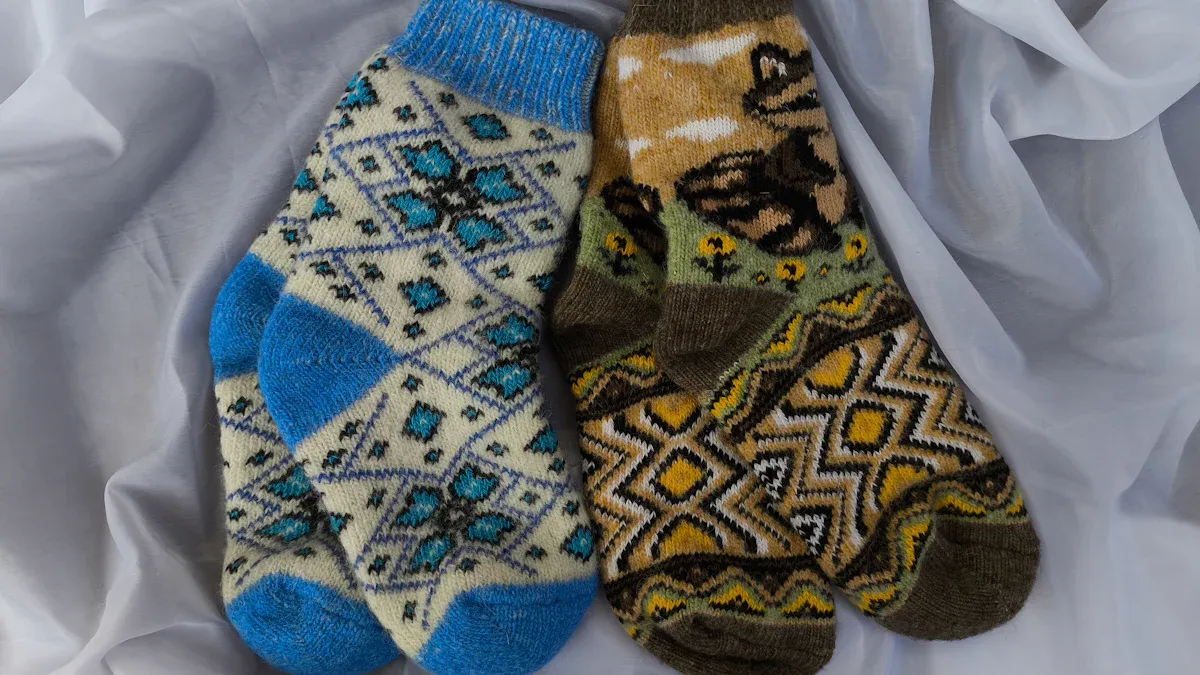
Foshan Mingjun Textile Company Ltd.

Views: 0 Author: Site Editor Publish Time: 2025-10-02 Origin: Site
If you want to know how to choose the best summer hiking socks, merino wool is the top choice. Your feet stay cool, you sweat less, and your socks do not smell as much. Thin synthetic socks like polyester and nylon also work, but they do not control odor as effectively and do not feel as soft. The material of your socks can significantly impact your hiking experience. Check out this table:
Material | Comfort | Moisture | Odor | Durability | Cost |
|---|---|---|---|---|---|
Merino Wool | High | Excellent | Natural | Moderate | Higher |
Polyester | Moderate | Good | Low | High | Low |
Nylon | Moderate | Good | Low | High | Moderate |
Think carefully before you buy socks. Make sure to pick the best summer hiking socks that suit your style and needs.
Merino wool socks help keep feet cool and dry. They are great for summer hiking. Synthetic socks dry fast and cost less money. They work well for short or easy hikes. Pick merino wool if you want comfort and less smell. This is good for long hikes. Synthetic socks last a long time and stretch easily. But they do not stop smells as well. Think about the weather and ground before picking socks. Merino wool works best in hot places. If your feet sweat a lot, merino wool helps keep them dry. This can stop foot problems. Buy good socks that fit your feet well. This helps stop blisters and pain when hiking. Try one pair of each kind to see what you like. Pick the one that fits your hiking needs best.
If you want the best hiking socks for summer, you should look at merino wool first. Merino wool socks keep your feet cool and dry, even when the trail gets hot. You will notice that your feet do not get sweaty or smelly as quickly. Merino wool helps your feet stay comfortable all day. The fibers let air move around, so your feet do not overheat. You can hike longer without worrying about blisters.
You might wonder if synthetic socks work for summer hiking. Thin polyester or nylon socks can be good if you want something lightweight and affordable. Some brands make synthetic socks that dry fast and last a long time. If you sweat a lot or hike in very humid places, synthetic socks might help because they dry quickly. Still, they do not fight odor as well as merino wool.
Here are some popular merino wool sock brands for summer hiking:
Darn Tough Micro Crew Cushion
Swiftwick Flite XT
Smartwool Classic Light Hiking Socks
Ridge Merino Minaret Lightweight Socks
Eddie Bauer Guide Pro Socks
REI Lightweight Merino Wool Socks
If you want synthetic socks, you can check out these brands:
Brand | Material | Recommended Use |
|---|---|---|
WRIGHTSOCK CoolMesh II | Polyester | Summer Hiking |
Sockwell Circulator | Bamboo Mix | Summer Hiking |
You probably want to know how merino wool and synthetic socks compare. Here is a quick look at the main differences:
Merino wool socks absorb sweat as vapor and release it, so your feet stay dry. Polyester socks can trap sweat, making your feet feel damp even if the sock looks dry.
For summer hiking, merino wool socks are usually better. Thin polyester socks can work if they are breathable enough, but merino wool wins for comfort and moisture control.
Let’s break down the key points:
Merino wool keeps your feet cool and helps control odor.
Synthetic socks dry fast and cost less.
Merino wool feels softer and helps prevent blisters.
Synthetic socks last longer and stretch more.
You can choose merino wool if you want the best hiking socks for comfort, dryness, and odor control. Synthetic socks are a good pick if you want something tough, quick-drying, and budget-friendly. Your choice depends on what matters most for your hikes.
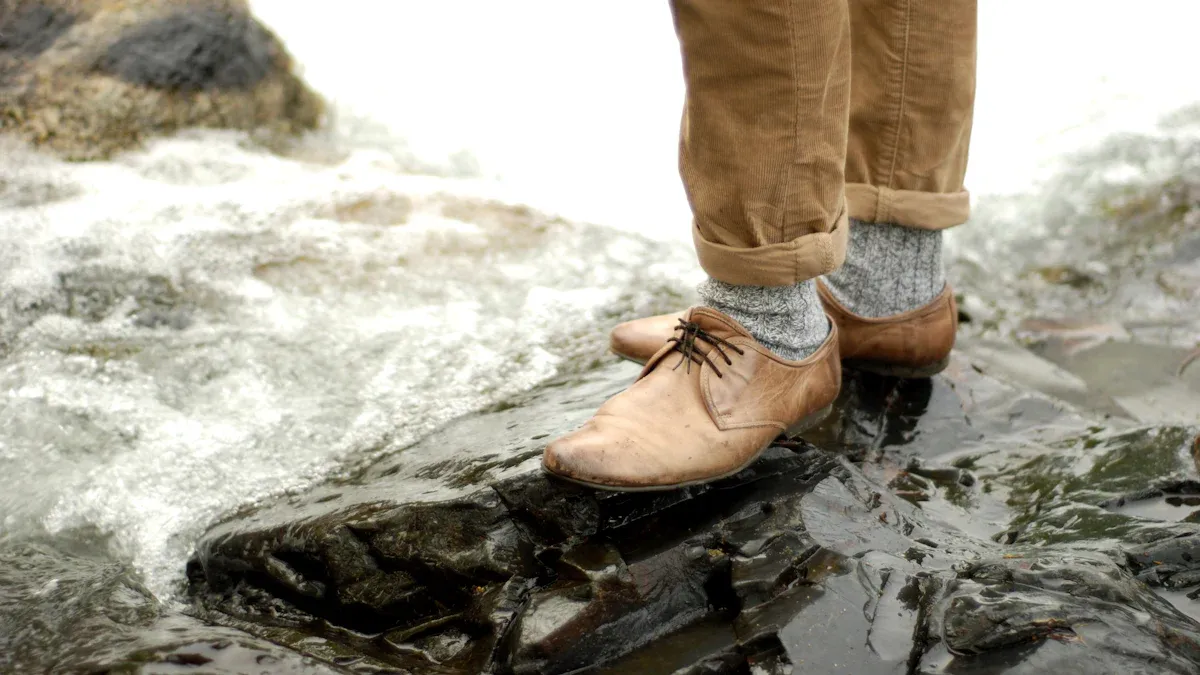
Image Source: unsplash
You want your feet to stay cool when you hike in the summer. Merino wool socks help with that. The fibers in merino move sweat away from your skin and let it evaporate. Your feet feel dry, even when you sweat a lot. Merino wool can absorb moisture up to 35% of its dry weight, which is much more than polyester. This means your feet do not get clammy or overheated. You can start your hike early in the morning when it is chilly, and your socks keep you warm. As the day heats up, merino wool helps your feet stay cool. You get steady temperature regulation all day.
Nobody likes smelly socks after a long hike. Merino wool socks fight odor naturally. The fibers trap bacteria and keep your socks fresh, even if you wear them for several days. You can pack fewer pairs of socks for a multi-day trip. You do not have to worry about your tent smelling bad at night. If you hike with friends, you will notice that your socks do not stink up the car on the way home.
You want comfort on the trail. Merino wool feels soft and smooth against your skin. Many hikers say these socks are the most comfortable for long walks. You do not get itchy or scratchy spots. The material is gentle, so you can wear lightweight hiking socks all day without blisters. If you have sensitive skin, merino wool socks might be your best choice.
Breathability matters when you hike in hot weather. Merino wool lets air flow through the sock. Your feet do not get sweaty or sticky. You feel cool and dry, even on steep climbs. Lightweight hiking socks made from merino give you top performance in summer. You can trust them to keep your feet happy.
Merino wool takes longer to dry than synthetic socks. If you wash your socks at camp, you might need to wait overnight for them to dry. You should plan ahead if you hike in wet areas or cross streams often. Quick-drying socks are better if you need to wash and wear them fast.
Merino wool socks are soft, but they do not last as long as some synthetic options. You might see holes or thin spots after many hikes. If you want socks that last for years, you may need to buy new pairs more often. Some brands add nylon or polyester to boost durability, but pure merino socks wear out faster.
You pay more for merino wool socks. Most pairs cost around $20. If you hike a lot, the price adds up. Merino is not suitable for vegans, and some people get skin irritation from lanolin in the wool. You should check the label if you have allergies.
Tip: If you want the best comfort and breathability, choose lightweight hiking socks made from merino. If you need socks that dry fast and last longer, look at synthetic options.
Synthetic socks offer a lot of benefits for summer hiking. You might notice that these socks feel different from merino wool, but they can still give you great performance on the trail. Let’s look at what makes synthetic materials stand out.
Synthetic socks stretch easily. You can pull them on without worrying about tearing the fabric. The materials bounce back to their original shape after each wash. If you hike often, you will see that synthetic socks keep their fit and do not sag. This stretch helps prevent bunching inside your boots, so you stay comfortable all day.
You want your socks to dry quickly after a stream crossing or a sweaty hike. Synthetic materials like polyester and nylon dry much faster than wool. If you get caught in the rain, you can hang your socks up and they will be dry before you know it. This feature makes synthetic socks perfect for summer hiking when you need to keep your feet dry and blister-free.
Tip: If you plan to hike in wet conditions or need to wash your socks at camp, synthetic socks will save you time because they dry so fast.
Synthetic socks last a long time. The materials resist wear and tear, so you do not see holes or thin spots as quickly as you might with wool. You can use the same pair for many hikes without losing performance. If you want socks that stand up to rough trails, synthetic options are a smart choice.
Synthetic socks cost less than merino wool socks. You can buy several pairs without spending much money. If you hike often or need to replace socks regularly, synthetic materials help you stick to your budget.
Here’s a quick list of the main benefits based on field tests:
Quick-drying properties, great for wet conditions.
Durable, suitable for longer hikes.
Synthetic socks do not control odor as well as merino wool. The materials trap smells after a long day on the trail. If you wear synthetic socks for several days, you might notice an unpleasant odor. Merino wool has natural antimicrobial properties, but synthetic materials lack this feature. You may need to wash synthetic socks more often to keep them fresh.
You might find synthetic socks less soft than merino wool. The materials can feel scratchy or stiff, especially after many washes. Some hikers say synthetic socks do not provide the same comfort for long hikes. If you have sensitive skin, you may prefer the gentle feel of wool.
Synthetic socks are lightweight, but they do not always breathe as well as merino wool. The materials wick moisture away, but they cannot absorb as much water. Sweat can build up on your skin during long hikes. You may feel damp even if the socks seem dry. Synthetic socks work best for summer hiking, but they do not offer enough insulation for cold weather.
Here’s a list of common drawbacks:
Odor retention: Polyester socks absorb odors quickly, leading to unpleasant smells.
Moisture management: Synthetic materials wick moisture but cannot absorb as much as wool, causing sweat to stay on your skin.
Insulation: Synthetic socks lack warmth, so they are not suitable for winter hiking.
Note: Synthetic socks perform well in summer, but you should consider your comfort and odor control needs before choosing them for multi-day trips.
Moisture is very important when you pick summer hiking socks. Your feet sweat a lot while hiking. Socks that trap sweat can cause blisters. You will also feel uncomfortable. Merino wool and synthetic socks handle sweat in different ways.
Merino wool absorbs sweat as vapor. The fibers pull sweat away from your skin. Then, they release it into the air. Your feet stay dry for hours. Synthetic socks like polypropylene and polyester wick moisture fast. They move sweat from your skin to the outside of the sock. This helps your feet feel less wet. Sometimes, the sock itself feels damp.
Let’s see how sock materials compare:
Material | Wicking Capability | Overall Performance | |
|---|---|---|---|
Merino Wool | High | Moderate | Superior |
Synthetic (Polypropylene) | Low | High | Moderate |
High moisture retention might sound bad. Merino wool uses it to keep your feet cool. Studies show wool blend socks feel cooler and less damp. They are more comfortable than pure synthetic socks. Wool blends keep your foot surface drier. They hold more moisture inside the fibers.
Merino wool absorbs sweat and releases it slowly.
Synthetic socks wick sweat fast but can feel damp outside.
Wool blends keep feet drier and cooler.
Merino wool is the best choice for moisture control and comfort.
Breathability keeps your feet cool and dry. You want air to move through your socks. This is important on hot days. Merino wool stands out because of its fiber structure. The crimp in merino wool makes tiny air pockets. These pockets let air flow and help control temperature. Your feet do not get too hot, even on steep climbs.
Synthetic socks use moisture-wicking to pull sweat away. Breathability depends on how the fibers are woven. Open weaves let more air in. Dense weaves trap heat and sweat. Check the weave when you buy hiking socks.
Merino wool gives great breathability with its natural fibers.
Synthetic socks can breathe well if they have open weaves.
Both help with sweat, but merino wool keeps feet cooler.
If you want light socks with top breathability, pick merino wool. You get comfort and cool feet all day.
Drying time matters if you cross streams or wash socks at camp. You do not want to wait long for socks to dry. Synthetic socks dry faster than merino wool. Polyester and nylon dry in about 190 minutes. Merino wool dries in about 210 minutes.
Synthetic socks dry about 10% faster than merino wool.
Polyester dries in 190 minutes.
Merino wool dries in 210 minutes.
If you need socks that dry fast, pick synthetic materials. You can wash and wear them again sooner. Merino wool takes longer to dry. It gives better moisture control and comfort.
Tip: Pick synthetic socks for quick drying. Choose merino wool for better sweat control and breathability.
You know how tough it is to keep your socks smelling fresh after a long hike. Merino wool socks make this challenge much easier. The fibers in merino wool contain keratin protein and lanolin. These natural elements stop odor-causing bacteria from growing. You can wear merino wool socks for several days, and they still smell fine. Many hikers say their socks stay fresh even after sweaty hikes.
Synthetic socks do not fight odor as well. Polyester and nylon trap smells, especially after a few hours on the trail. You might notice your socks start to stink quickly. Some brands add treatments to help with odor, but these fade after several washes. If you want socks that resist odor, merino wool is your best bet.
Some newer blends mix wool and synthetic fibers. For example, a 90/10 blend gives you good odor resistance and dries faster than pure wool. These blends work well if you want a balance between freshness and quick drying.
If you hate smelly socks, choose merino wool or a wool blend. You will notice the difference right away.
Comfort matters most when you hike all day. Merino wool socks feel soft and smooth against your skin. You get a gentle touch that helps prevent blisters. The fibers wick moisture away and keep your feet dry. You do not feel itchy or scratchy spots. Hikers often say merino wool socks are the most comfortable for long summer hikes. You can walk for hours, and your feet stay happy.
Synthetic socks offer a snug fit and stretch easily. They do not sag or bunch up inside your boots. Some hikers like the way synthetic socks hug their feet. However, these socks can trap moisture and odors. You might feel dampness after a few hours. If you have sensitive skin, synthetic socks may feel rough or stiff, especially after many washes.
Merino wool socks stand out for comfort. You get breathability, moisture control, and a soft feel. Synthetic socks work well if you want a tight fit and quick drying, but they do not match the comfort of wool.
You want socks that last through many hikes. Merino wool socks keep their shape and elasticity over time. You can wear them for months, and they still fit well. Synthetic socks may pill or stretch out after repeated use. You might see thin spots or holes sooner.
Here’s what hikers and studies report about durability:
Merino wool socks hold their shape and bounce back after washing.
Synthetic socks can pill and lose their fit.
Merino wool socks last longer than most synthetic options.
Wool socks resist odors better, even after many washes.
If you want socks that stay strong and fresh, merino wool is a solid choice. Synthetic socks work if you need something tough and affordable, but they may wear out faster.
When you shop for hiking socks, price can make a big difference. You might wonder if merino wool socks are worth the extra money or if synthetic socks give you better value. Let’s look at what you can expect to pay at most outdoor stores:
Sock Type | Price Range |
|---|---|
Merino Wool Socks | |
Synthetic Socks | $10 - $60 |
You can see that merino wool socks usually cost between $20 and $25 per pair. Synthetic socks have a wider price range. Some cost as little as $10, while others go up to $60, especially if they have special features or extra padding.
If you hike a lot, you might want to buy several pairs. The cost adds up fast with merino wool. Synthetic socks help you save money, especially if you pick the basic styles. You can get two pairs of synthetic socks for the price of one pair of merino wool socks.
Sometimes, the most expensive socks are not always the best for you. Think about what you need most. If you want socks that feel soft, fight odor, and keep your feet cool, merino wool is a good investment. If you care more about quick drying and durability, you might find a synthetic pair that fits your budget.
Tip: Try buying one pair of each type before you stock up. You can see which socks work best for your feet and your wallet.
Image Source: pexels
When you think about how to choose the best summer hiking socks, start with the climate and terrain. Hot and humid trails demand socks that keep your feet dry and cool. Merino wool socks work well in warm climates because they manage moisture and wick sweat away. You get breathability, so your feet do not overheat. If you hike in rocky or sandy areas, you want socks that protect your feet and keep a good fit inside your boots. Lightweight socks help you move easily, but you should make sure they do not slip or bunch up. Synthetic socks can handle rough terrain and dry quickly after stream crossings. If you hike in wet or muddy places, you might prefer synthetic socks for their fast drying time. Always check the fit before you head out. Socks that fit well will not rub or cause blisters, no matter where you hike.
Merino wool keeps feet dry and cool in hot climates.
Synthetic socks dry quickly in wet terrain.
Lightweight socks help with movement and comfort.
Good fit prevents blisters and discomfort.
Tip: Match your sock choice to the weather and trail conditions for the best performance.
If you sweat a lot, you need to know how to choose the best summer hiking socks for moisture control. Podiatrists often recommend merino wool socks for hikers with sweaty feet. Merino wool manages moisture better than synthetic socks. It pulls sweat away from your skin and helps prevent bacteria and fungus. You get less odor and fewer problems with athlete’s foot. Wool also keeps your feet at a steady temperature, so you stay comfortable all day. Synthetic socks dry fast, but they do not stop bacteria from growing. If you have high foot sweat, merino wool gives you the best balance of moisture control and fungus prevention. You will notice a difference in comfort and fit. Wool socks are also great for athletes and anyone who wants to avoid smelly feet.
Merino wool controls moisture and odor.
Wool helps prevent fungus and athlete’s foot.
Synthetic socks dry fast but do not stop bacteria.
Good fit keeps socks in place and reduces sweat buildup.
Note: If you struggle with sweaty feet, merino wool socks are your best bet for comfort and performance.
Your budget plays a big role in how to choose the best summer hiking socks. Merino wool socks usually cost $20 or more. They offer great comfort, odor control, and a reliable fit, making them a smart investment for serious hikers. Synthetic socks, like the REI Coolmax EcoMade, cost less—around $16 per pair. These socks are moisture-wicking and lightweight, but they may not resist odors as well as wool. If you hike often or plan long trips, merino wool socks are worth the higher price. For casual hikes or light use, synthetic socks are a practical choice. You can buy more pairs without spending too much. Always check the fit before you buy, so you get socks that feel good and last longer.
Merino wool costs more but offers better comfort and odor control.
Synthetic socks are budget-friendly and good for light use.
Lightweight synthetic socks save money for casual outings.
Good fit helps socks last longer and perform better.
Tip: Try one pair of each type to see which socks fit your needs and budget best.
Do you have sensitive skin? If so, you know how important it is to pick the right socks for hiking. Some socks can make your feet itch or cause blisters. Others feel soft and keep your skin happy all day. You want socks that protect your feet, not irritate them.
Let’s look at what features matter most for sensitive skin:
Feature | Benefit for Skin Sensitivities |
|---|---|
Softness | Reduces irritation and chafing on sensitive skin. |
Breathability | Helps regulate airflow, preventing sweaty feet. |
Moisture-wicking | Draws moisture away from the skin, keeping feet dry. |
Odor resistance | Natural antibacterial properties reduce odor. |
Seamless construction | Prevents blisters and discomfort during hikes. |
Merino wool socks stand out for softness. They feel gentle against your skin and help prevent chafing. You will notice less itching, even after a long hike. Merino wool also breathes well. Your feet stay cool and dry, which helps stop sweat from building up. This is great if you get rashes or hot spots easily.
Synthetic socks can work for some people with sensitive skin, but you need to check the fabric. Some synthetic blends feel rough or stiff. If you choose synthetic socks, look for ones with seamless toes and a smooth finish. This helps prevent blisters and rubbing.
Tip: If you have allergies, always check the label. Some people react to lanolin in wool. Try one pair first to see how your skin feels.
You want socks that keep your feet dry and fresh. Moisture-wicking and odor resistance help a lot. Both merino wool and some high-quality synthetic socks offer these features. Seamless construction is another key. It stops seams from digging into your skin or causing blisters.
If you have sensitive skin, pick socks that feel soft, breathe well, and have smooth seams. Your feet will thank you after every hike.
How often do you hit the trails? Your answer can help you decide which socks are best for you. If you hike every weekend or go on long trips, you need socks that last and perform well. If you only hike a few times a year, you might care more about price.
Here are some things to think about:
Durability: Polyester socks usually last longer. You can wash them many times, and they keep their shape. Merino wool socks can last a long time too, but you need to care for them properly. If you hike a lot, durability matters.
Cost: Synthetic socks cost less at first. You can buy several pairs for the price of one pair of merino wool socks. High-quality wool socks cost more, but they may give you better value over time because they stay comfortable and fight odor.
Hiking Frequency Impact: If you hike often, investing in good socks makes sense. Merino wool socks keep your feet happy on long hikes. If you hike less, you might choose synthetic socks to save money.
Note: Think about how many miles you walk each month. If you wear out socks quickly, durability and comfort are key. If you hike less, you can focus on price and basic comfort.
Choosing the right socks depends on your hiking habits. Pick what fits your needs, and you will enjoy every step on the trail.
You probably wonder what other hikers say about their socks. Many people share stories about their favorite pairs. Some hikers love merino wool socks for long summer hikes. They talk about how their feet stay cool and dry, even when the trail gets tough. You might hear someone say, “I wore my merino socks for three days straight, and they never smelled bad!” That’s a big win if you camp overnight.
Other hikers choose synthetic socks for quick day trips. They like how fast these socks dry after crossing streams. One hiker said, “My synthetic socks dried in less than an hour after I got caught in the rain.” You may find that synthetic socks feel lighter and stretch easily. Some people switch between both types, depending on the weather and trail.
Tip: Try reading online reviews before you buy. You can learn a lot from other hikers’ stories.
You want to know what problems hikers face with their socks. Let’s look at the most common issues people report in hot weather. Here’s a table that shows what you might expect:
Material | Benefits | Common Issues in Hot Weather |
|---|---|---|
Merino Wool | Softness, breathability, moisture-wicking, temperature regulation | May retain moisture if not lightweight enough |
Synthetic | Durability, quick-drying, lightweight | Can cause overheating if not breathable enough |
Blends | Combines benefits of both materials | May not provide optimal comfort for all users |
You may notice that merino wool socks sometimes hold onto moisture if they are too thick. If you pick a heavy pair, your feet might feel damp. Lightweight merino socks work better for summer. Synthetic socks dry fast, but they can get hot if the fabric does not breathe well. Some hikers say their feet feel sweaty or even overheat in thick synthetic socks.
Blended socks mix wool and synthetic fibers. These socks try to give you the best of both worlds. Still, some hikers say blends do not always feel right. You might not get the same comfort as pure merino wool, or the same quick-drying as pure synthetic.
Note: Always check the thickness and weave before you buy new hiking socks. Thin, breathable socks help you avoid most problems.
Taking care of your hiking socks helps you get the most out of every pair. If you treat your socks well, you keep your feet happy and save money over time. Let’s look at how you can keep both merino wool and synthetic socks in top shape.
Merino wool socks need gentle care to keep their softness and performance. You want them to last through many hikes. Here’s a simple way to wash them:
Turn your socks inside out before washing. This protects the fibers and helps remove dirt.
Use a gentle cycle on your washing machine with mild detergent. Strong soaps can damage the wool.
Skip bleach and fabric softeners. These can break down the wool and ruin its natural feel.
After washing, gently reshape your socks and lay them flat to dry. Hanging can stretch them out.
Rotate your socks. Give each pair a break between hikes so the fibers recover.
Store your socks in a cool, dry place. This keeps mildew away and helps with durability.
Tip: If you follow these steps, your merino wool socks stay soft, odor-free, and ready for your next adventure.
Synthetic socks are easy to clean and dry fast. You still need to look after them to keep their lightweight feel and stretch. Here are some tips:
Pick socks with a blend of merino wool and nylon or polyester. This mix gives you breathability and quick drying.
Change into a dry pair as soon as you set up camp. Wet socks can cause blisters and make your feet cold.
If your socks get wet, use your body heat to dry them overnight. Place them under your baselayer while you sleep.
Take off your socks and shoes during long breaks. Let them dry in the sun for better comfort.
Use foot balms if your feet get dry or cracked. This helps prevent infections and keeps your skin healthy.
Note: Good care keeps your synthetic socks stretchy and helps them last longer on the trail.
You want your socks to last for many hikes. Both merino wool and synthetic socks can wear out if you don’t care for them. Here’s how you can extend their lifespan:
Wash socks after every hike to remove sweat and dirt.
Avoid high heat when drying. Heat can shrink wool and weaken synthetic fibers.
Keep socks away from sharp objects in your pack. Small holes can grow quickly.
Rotate your socks. Don’t wear the same pair every day.
Store socks flat and dry. This keeps them fresh and ready for your next trip.
If you follow these tips, you get better performance from your socks. You also save money and enjoy more comfort on every hike.
You’ve seen how merino wool and synthetic hiking socks stack up for summer adventures. Merino wool gives you comfort and odor control, while synthetic socks dry fast and cost less. Think about your hiking style and what matters most for your feet. Got a favorite pair or a tip to share? Drop your thoughts or questions below. Your experience helps other hikers!
No, merino wool socks actually help keep your feet cool. The fibers breathe well and wick away sweat. You will feel comfortable, even on hot days. Just pick lightweight merino socks for the best results.
You can, but you might notice more odor after a day or two. Synthetic socks dry fast and last long. If you want less smell, pack extra pairs or wash them often.
Choose socks that fit snugly. Look for socks with a bit of stretch and a good heel cup. Avoid socks that are too loose or too tight. Try on your socks with your hiking boots before your trip.
Most people find merino wool very soft and not itchy at all. The fibers are much finer than regular wool. If you have sensitive skin, try one pair first to see how your feet feel.
Replace your hiking socks when you see holes, thin spots, or if they lose their shape. Most hikers get new socks every year or after heavy use. Good care helps socks last longer.
Yes, you can machine wash both merino wool and synthetic socks. Use cold water and a gentle cycle for merino wool. Skip bleach and fabric softener. For synthetic socks, regular washing works fine.
Lightweight or ultralight socks work best for summer. They keep your feet cool and dry. Thick socks can make your feet sweat more. Always match sock thickness to your hiking shoes and the weather.
You do not need sock liners with most modern hiking socks. Some hikers use liners to prevent blisters or add comfort. Try hiking without liners first. If you get blisters, consider adding a thin liner sock.