Foshan Mingjun Textile Company Ltd.

Views: 0 Author: Site Editor Publish Time: 2025-11-02 Origin: Site
You know that cold toes can ruin your day on the slopes. The right ski socks keep you warm and comfortable, so you can focus on having fun. Shopping online for what socks for skiing gets easy when you know what to look for. Materials, fit, and special features make all the difference. > Ready for cozy feet this winter? You’ll find practical tips here—even if you can’t try socks on first.
Pick ski socks made from merino wool or synthetic fibers. These materials help keep your feet warm and dry. They also help stop blisters from forming.
Fit is very important. Choose socks that fit snugly and do not move around. This helps you avoid discomfort and cold feet. Always look at the sizing chart before you buy.
Find socks that wick away moisture and let your feet breathe. This helps control temperature and keeps your feet comfy all day on the slopes.
Do not use cotton socks. Cotton holds moisture and can make your feet cold. It can also cause blisters. Use technical materials made for skiing instead.
Read product descriptions and customer reviews closely. This helps you pick socks with the right features and fit for skiing.
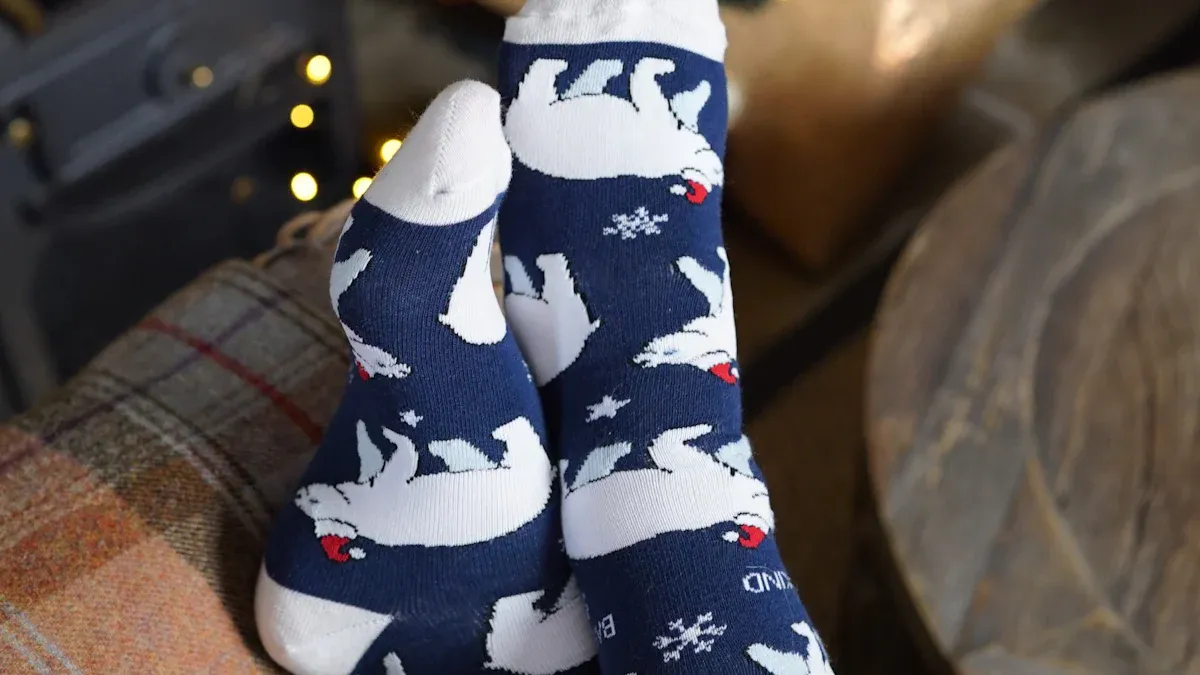
When you look for what socks for skiing, you want more than just something to cover your feet. The best ski socks and snowboard socks have special features that make your day on the slopes much better. Here are some things you should look for:
Extra padding in high-impact spots like your shins and heels. This helps protect your feet from pressure and bumps inside your boots.
Seamless toe construction. No seams mean less rubbing, so you avoid blisters.
Arch support. Good socks hug your feet and give you a little boost, just like running socks.
Antimicrobial treatments. These help control odor, so your feet stay fresh even after hours of skiing.
Moisture wicking materials. These keep your feet dry by pulling sweat away from your skin.
Thermoregulation. The right socks keep your feet warm, even if they get a little wet.
You might wonder about thick vs thin socks. Many people think thicker socks are always warmer, but that’s not true for what socks for skiing. Thin, well-designed socks often keep your feet warmer because they fit better and wick moisture away faster.
Fit is everything when it comes to what socks for skiing. You want your socks to feel snug, but not tight. A good fit means your socks stay in place and don’t bunch up, which helps you avoid blisters and sore spots. If your socks are too tight, they can cut off circulation and make your feet cold. If they are too loose, they can bunch up and cause friction.
Here’s a quick look at how fit affects your comfort:
| Fit Type | What Happens to Your Feet? |
|---|---|
| Snug Fit | Comfortable, stays in place, best for performance |
| Tight Fit | Cuts off circulation, feet get cold |
| Too Loose | Bunches up, causes blisters and discomfort |
If you wear socks that don’t fit right, you might get blisters, numbness, or even heel pain. Ill-fitting socks can also make your boots feel uncomfortable and ruin your day. Always check the size chart before you buy what socks for skiing online.
Tip: Try your new ski socks or snowboard socks with your boots at home before you hit the slopes. This helps you spot any fit issues early.
Breathability is a big deal for what socks for skiing. When you ski or snowboard, your feet work hard and can get sweaty. If your socks trap moisture, your feet get cold and clammy fast. That’s why you need socks made from materials like merino wool or special synthetic fibers. These materials let air flow and wick moisture away, keeping your feet dry and warm.
Merino wool stands out for breathability. It has tiny ventilation zones that let heat and moisture escape. This means your feet stay comfortable, even if you’re skiing all day. Breathable socks also help prevent foot slippage inside your boots, which can make a big difference in how you feel on the mountain.
Ski socks and snowboard socks wick sweat away and trap heat, so your feet stay warm and dry.
Moisture wicking keeps your feet from feeling cold and wet, even if you sweat a lot.
Breathable socks help regulate temperature, so you don’t overheat or freeze.
When you shop for what socks for skiing, always check for breathability and moisture wicking in the product description. Your feet will thank you after a long day in the snow!
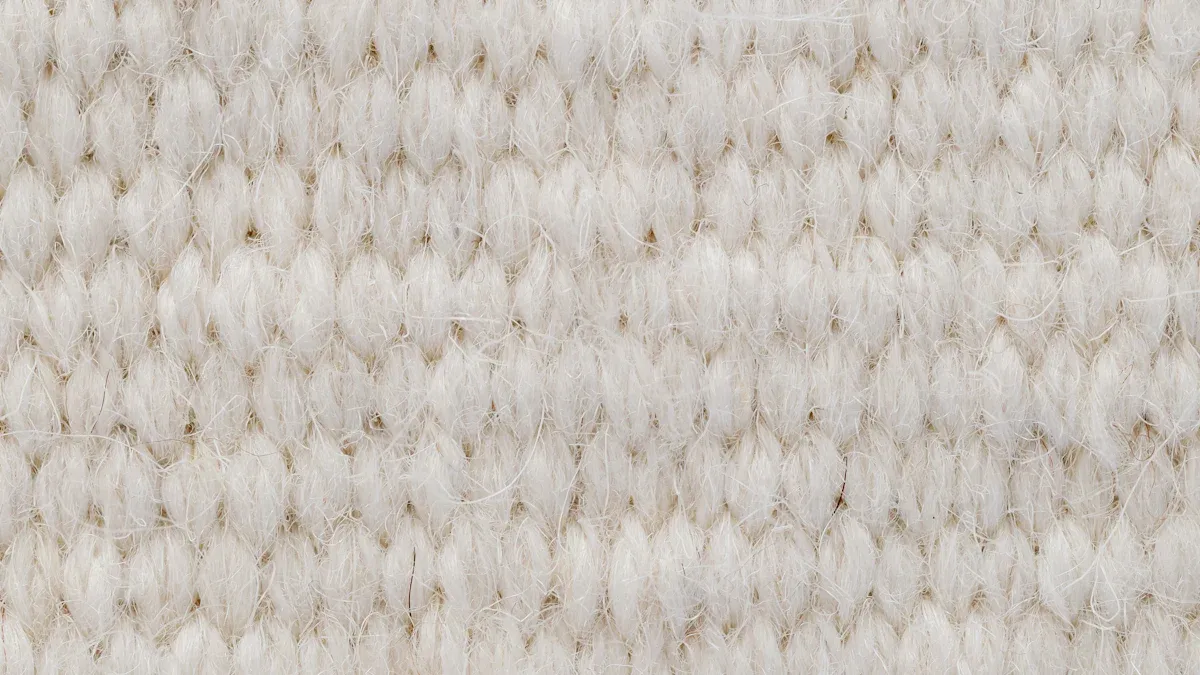
If you want warm feet while skiing, merino wool is a great pick. This fabric keeps your feet cozy and handles sweat well. Merino wool soaks up moisture but still keeps you warm, even if it gets wet. It helps control temperature, so your feet feel good in cold or warm weather. Merino wool fights odor naturally, so it smells better than most synthetic blends. You can wear these socks for days without worrying about bad smells. Many skiers say their merino wool socks last a long time, even with lots of use. You might see some fuzz balls, but the socks rarely get holes or lose their shape.
Tip: Merino wool ski socks are great for long trips when you can't wash your socks every day.
| Feature | Merino Wool | Synthetic Blends |
|---|---|---|
| Warmth | Excellent | Good |
| Odor Resistance | Natural antimicrobial | Needs treatment |
| Durability | Good, may pill | Superior |
| Moisture Wicking | Absorbs, insulates | Wicks, dries fast |
Synthetic ski socks use fibers like nylon, polyester, and spandex. These socks are strong and last a long time, even if you ski a lot. Synthetic blends pull sweat away from your skin fast, so your feet stay dry and you don’t get blisters. If your feet sweat a lot, synthetic ski socks help you stay comfy. They dry faster than merino wool, which is good if you need to wash and wear them again soon. Some synthetic socks have tight spots for extra support. You might notice that synthetic socks can start to smell over time, even with special treatments.
Synthetic blends are best for hard skiing.
They work well for people with sweaty feet.
You get fewer blisters because sweat moves away fast.
You should not use cotton for ski socks. Cotton holds sweat against your skin, which makes your feet cold and can cause blisters. Wet cotton does not keep you warm, so you could even get too cold. Synthetic blends and merino wool both handle sweat much better than cotton. If you want dry, warm feet, do not pick cotton. Choose socks made from merino wool or synthetic fibers.
Cotton socks can cause skin problems and make you tired.
Merino wool and synthetic blends keep your feet dry and comfy.
Always check the label before you buy ski socks.
When you shop for snowboard socks online, always read the product descriptions carefully. Look for details about the materials, like merino wool, which keeps your feet warm and dry. Check if the socks have special features, such as extra cushioning or seamless toes. These features help you stay comfortable on the slopes. Some socks have an ergonomic design, shaped for your left and right foot. This design gives you a better fit and more support. Make sure the socks are made for skiing or snowboarding, not just regular winter wear. Socks made for these sports offer warmth, moisture-wicking, and targeted padding where you need it most.
Tip: If you see words like "anatomical fit" or "targeted cushioning," you know the socks are built for performance.
Getting the right size matters for comfort. Most online stores have a sizing chart. You just need to match your shoe size to the sock size. If you are between sizes, pick the larger one for a better fit.
| Shoe Size | Sock Size |
|---|---|
| 5-7 | Small |
| 7-9 | Medium |
| 9-11 | Large |
| 11-13 | X-Large |
Try your new snowboard socks with your boots at home before you go out. This way, you can check if they fit well and feel good.
Customer reviews can help you choose the best snowboard socks. Look for comments about comfort, warmth, and how well the socks last. If many people mention that the socks run small or large, use that advice when picking your size. Reviews often share real-life tips you might not find in the product description.
You will see some socks labeled for men or women. These gender-specific fits matter because men’s and women’s feet have different shapes. Women’s socks often have a slimmer heel and a narrower shape. Some even have special mesh zones for more comfort. Picking the right fit helps you stay comfortable and perform better on the slopes.
When you shop for snowboard socks online, it’s easy to make a few mistakes. These errors can leave your feet cold, uncomfortable, or even cost you extra money. Let’s look at the most common slip-ups and how you can avoid them.
You might think all socks are the same, but the material makes a huge difference. If you pick socks made from the wrong fabric, your feet can get cold and sweaty fast. Merino wool and technical blends help manage moisture and keep your feet warm. They wick sweat away and help control temperature. If you ignore the material and grab regular cotton socks, you risk cold feet and blisters. The right material in ski socks keeps you comfortable and helps you perform better on the slopes.
Tip: Always check the label for merino wool or synthetic fibers before you buy snowboard socks.
Buying snowboard socks online means you can’t try them on first. Sometimes, the fit isn’t right or the socks don’t feel good in your boots. If you skip reading the return policy, you might get stuck with socks you can’t use. Here’s what can happen:
| Consequence | Description |
|---|---|
| Difficulties in Returns | You may have trouble exchanging or returning socks that don’t fit. |
| Loss of Money | Some stores charge restocking fees, so you lose money if you return socks. |
| Inability to Return | If the socks don’t work for you, you might not be able to return them at all. |
Note: Always check the store’s return policy before you buy. This saves you time and money.
It’s tempting to buy a big pack of snowboard socks to save money. But if you haven’t tried them yet, you could end up with a bunch of socks that don’t fit or feel right. Here are some common mistakes people make:
Not checking the fit, which leads to discomfort and pressure points.
Wearing two pairs of socks, thinking it adds warmth, but it actually causes blisters.
Using regular cotton socks instead of technical socks, which makes your feet cold and sore.
Start with one pair. Test them with your boots at home. If you love them, then you can buy more.
If you want the warmest feet on the slopes, look for ski socks made with high-quality merino wool. This material keeps your feet cozy and dry, even when you sweat. Experts say the best ski socks for warmth have a high merino wool content, usually over 50%. These socks also blend in elastic for a snug fit. Thin, well-shaped socks trap heat better than thick, bulky ones. You get warmth without losing comfort or movement.
Tip: Focus on socks that support your feet and fit well, not just on the wool percentage.
You spend hours in your boots, so comfort matters. The right snowboard socks use smart designs to keep your feet happy all day. Here’s what to look for:
Targeted cushioning in the heel, toe, and shin to reduce soreness.
Compression zones that help blood flow and fight fatigue.
A fit that stays put, so you don’t get blisters or bunching.
You’ll notice that quality snowboard socks trap heat but don’t make you overheat. Your feet feel fresh, even after a long day.
Want the most for your money? Check out this table to see what features give you the best value in snowboard socks:
| Feature | Description |
|---|---|
| Material Quality | Merino wool for warmth and breathability. |
| Cushioning | Padding in the shin and underfoot for comfort and protection. |
| Fit | Ergonomic design that hugs your foot and prevents slipping. |
| Durability | Strong materials that last season after season. |
| Breathability | Fabrics that wick sweat and keep your feet dry. |
Look for socks that combine these features. You’ll get comfort, warmth, and long-lasting use without spending too much.
Kids need socks that keep them warm and comfy all day. Here’s how you can pick the right ones:
Pick socks that wick sweat and hold in heat.
Match thickness to the weather—thicker for cold days, thinner for mild ones.
Find socks with anti-blister designs and the right size to stop rubbing.
Go for crew or over-the-calf lengths so socks stay up and keep legs warm.
With these tips, your child’s feet will stay happy, dry, and ready for more runs.
You now know what to look for when picking snowboard socks online. Choose socks made from merino wool or technical blends, not cotton, to keep your feet dry and warm. Go for a single layer and a snug fit to avoid hot spots and let air move inside your boots. Remember, the right snowboard socks can make your day on the slopes much more fun. Try these tips and enjoy every winter run with cozy, happy feet!
The right snowboard socks really do make all the difference—give them a try this season!
You should pack at least two pairs. This way, you always have a dry pair ready. If you ski for several days, bring more. Dry snowboard socks keep your feet warm and happy.
No, regular socks do not work well. Snowboard socks use special materials that keep your feet dry and warm. Regular socks can cause blisters and cold feet.
Turn your snowboard socks inside out. Wash them in cold water with mild soap. Avoid bleach and fabric softener. Air dry them to keep their shape and softness.
Yes, snowboard socks fit well in ski boots. They have a snug design and extra padding in the right spots. Try them with your boots at home to check the fit.


