Foshan Mingjun Textile Company Ltd.

Views: 0 Author: Site Editor Publish Time: 2025-10-19 Origin: Site
You might wonder what are ski socks and why they matter before hitting the slopes. Ski socks cover your calf and reach just below the knee. These socks use blends of Merino wool and synthetic fibers, which wick away moisture and keep your feet warm. Regular socks, especially cotton ones, get damp and cold. Ski socks fit snugly, cushion your shins and heels, and help prevent blisters. You stay comfortable, dry, and protected, so you can focus on enjoying every run.
Ski socks are made to keep your feet warm and dry. They help your feet stay comfortable when you ski. These socks use Merino wool and other fibers. These materials pull sweat away from your skin.
Ski socks need to fit tightly. A good fit stops the socks from bunching up. It also keeps them from sliding around. This helps you avoid blisters and pain while skiing.
Good ski socks have extra padding on the shin and heel. This soft padding protects your feet from sore spots. It lets you ski longer without hurting your feet.
Some ski socks squeeze your legs a little. This helps your blood flow better. It can make your muscles less tired. It also helps you feel better after skiing.
You should pick ski socks instead of regular socks. Regular socks do not keep your feet as warm. They do not control sweat as well. They do not give your feet enough support. This can make your feet cold and sore.
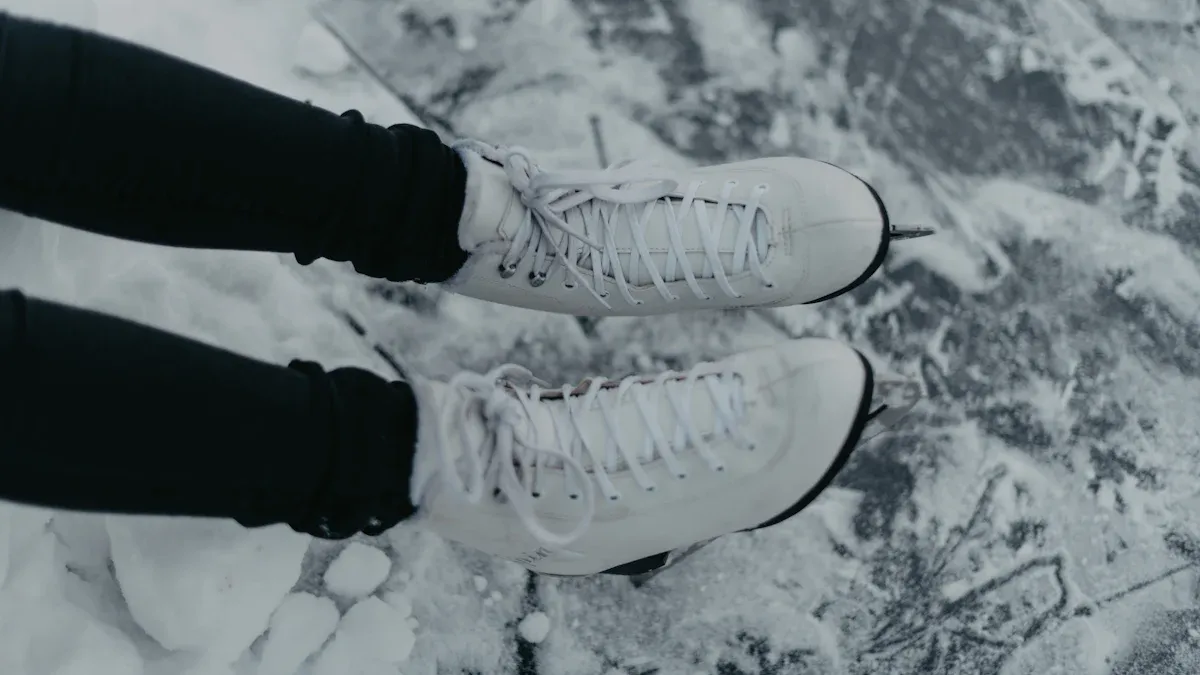
When you ask, what are ski socks, you discover that these socks are not like the ones you wear every day. Ski socks reach up to your knees and feel thinner than regular socks. You wear them to help your blood flow and to protect your shins from the hard ski boots. Most ski socks use special materials, such as merino wool or synthetic fibers. These materials keep your feet warm and dry, even when you spend hours in the snow. You will notice that ski socks fit snugly, so they do not bunch up or slide down while you move.
Ski socks come in different thicknesses, but most are thin to let your boots fit well. Thick socks can make your boots too tight and cause discomfort. When you choose ski socks, you want them to feel comfortable and to support your feet during every run.
You might wonder what makes a good pair of ski socks. The characteristics of quality ski socks help you stay comfortable and safe on the slopes. Here are some important features to look for:
Moisture-Wicking and Breathability
Quality ski socks use materials that pull sweat away from your skin. This moisture-wicking action keeps your feet dry. Dry feet stay warmer and help prevent frostbite. Breathability lets air move through the socks, so your feet do not overheat. Merino wool socks and synthetic ski socks both offer these benefits.
Warmth and Insulation
You need socks that keep your feet warm in cold weather. Merino wool socks trap heat but still let your feet breathe. Synthetic ski socks also provide warmth and dry quickly if they get wet.
Compression and Support
Many ski socks use gentle compression. This helps your blood flow better and reduces muscle fatigue. Compression socks can also help your legs recover after a long day of skiing. Studies show that compression socks may not change your power or speed, but they do make you feel more comfortable and help manage moisture.
Shin and Heel Protection
Good ski socks have extra padding in the shin and heel areas. This padding protects you from pressure points and helps prevent blisters. You can ski longer without pain or discomfort.
Snug Fit
The best ski socks fit closely to your foot and leg. A snug fit stops the socks from bunching up or sliding down. This fit also helps your boots feel more comfortable.
Tip: Always choose ski socks made for skiing. Regular socks, especially cotton ones, hold moisture and can make your feet cold and uncomfortable.
The answer to what are ski socks always includes these key features. You want socks that keep your feet dry, warm, and protected. The characteristics of quality ski socks make a big difference in your skiing experience. When you pick ski socks with moisture-wicking and breathability, you help your feet stay healthy and happy all day. Both merino wool socks and synthetic ski socks offer these important benefits. Remember, what are ski socks is not just about the look, but about how they help you enjoy your time on the mountain.
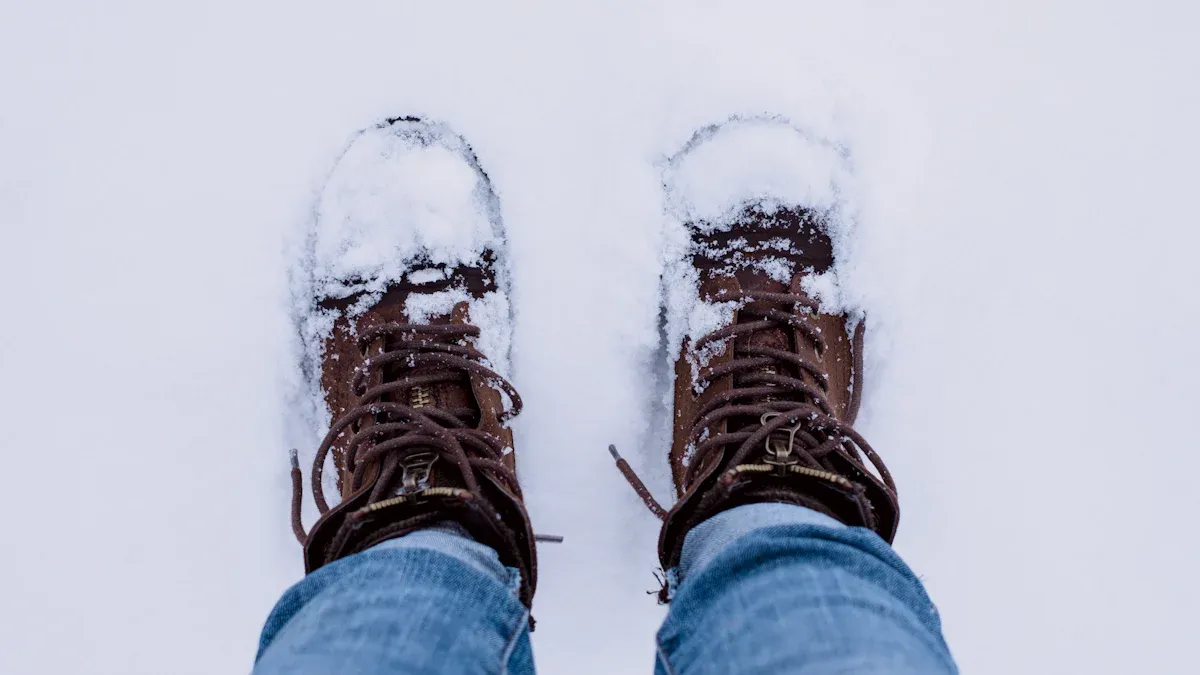
You want your feet to feel good all day on the mountain. Ski socks give you a perfect fit and compression, which means they hug your feet and legs without feeling too tight. This snug fit keeps the socks from bunching up or sliding down inside your boots. When socks stay in place, you avoid blisters, friction, and pressure points. You can focus on your ski day instead of worrying about sore feet.
Here is how the fit of ski socks affects your comfort:
| Feature | Impact on Comfort |
|---|---|
| Tight fit around toes | Prevents excess material and bunching, reducing blisters |
| Height of sock | Reduces rubbing against skin from ski boots |
| Compression option | Enhances blood flow and reduces muscle fatigue |
A good pair of ski socks should feel snug around your toes, ankle, and shin. You should not feel any extra material. Compression socks can also help your blood flow, so your legs feel less tired after a long ski day. The in-boot experience improves when your socks fit just right.
Warmth is one of the most important reasons to wear ski socks. You spend hours outside in cold weather, so you need socks that keep your feet warm. Ski socks use special materials like merino wool and synthetic fibers. Merino wool is soft, warm, and helps your feet stay dry. Synthetic fibers like acrylic and polyester add durability and dry quickly if they get wet.
Ski socks and snowboard socks are made for winter sports. They offer more warmth and moisture control than regular winter socks. You get extra insulation, so your feet stay warm even on the coldest days. The warmth from these socks lets you enjoy longer ski days without worrying about cold toes.
You can see the difference in warmth and insulation here:
Ski socks use merino wool and synthetic blends for better insulation.
They have padding in key areas to keep your feet warm and comfortable.
The snug fit helps trap heat and prevent cold air from getting in.
Ski and snowboard socks dry quickly, so your feet stay warm even if you sweat.
Keeping your feet dry is just as important as keeping them warm. Ski socks use advanced moisture wicking technology to pull sweat away from your skin. When your feet stay dry, you feel warmer and more comfortable. This also helps prevent blisters and keeps your feet healthy.
Many ski socks use materials like polypropylene, CoolMax, DryMax, merino wool, and bamboo. These materials move moisture away from your skin and help it evaporate quickly. Here is a table showing some of the top moisture management materials:
| Material | Properties |
|---|---|
| Polypropylene | Hydrophobic, moisture passes through rather than being absorbed. |
| CoolMax | Engineered fibers with four-channel designs for rapid moisture transport. |
| DryMax | Dual-layer systems that enhance moisture evaporation. |
| Merino Wool | Natural fiber with moisture-wicking capabilities. |
| Bamboo | Breathable and moisture-wicking properties. |
High-performance ski socks use these technologies to keep your feet dry all day. Hydrophobic fibers push water away from your skin, while hydrophilic fibers pull moisture to the outside of the sock. Capillary channels move sweat through the fabric, and a larger surface area helps it evaporate faster. The impact of moisture and temperature control is clear: dry feet stay warmer and more comfortable, so you can ski longer.
Ski socks do more than keep your feet warm and dry. They also protect your feet and legs from injury. You get cushioning and padding for comfort in the shins, heels, and forefoot. This padding absorbs impact and reduces the risk of shin bang, which happens when your shins hit the front of your boots. Cushioned front panels spread out the pressure from your boots, so you feel less pain.
Ski socks and snowboard socks have elastic cuffs and an anatomical fit. This means the socks stay in place and do not slip inside your boots. Light compression zones around your calf and arch give you extra stability and help your blood flow. Moisture management technology keeps your feet dry and responsive, so you can react quickly on the slopes.
Tip: Always choose ski socks with targeted padding and a snug fit. You will notice less pain, better support, and more comfort during every ski day.
The importance of wearing ski socks goes beyond just warmth. You get support, protection, and a better in-boot experience. Ski and snowboard socks help you ski longer, stay comfortable, and avoid injuries. When you pick the right socks, you set yourself up for a great day on the mountain.
You need strong blood flow when you ski. Ski socks with compression help your blood move better through your legs and feet. This boost in circulation brings more oxygen to your muscles. You feel less tired and recover faster after skiing. Compression socks also help reduce swelling, which can happen after a long day on the slopes. Unlike regular socks, ski socks with targeted compression give you an edge in both comfort and endurance.
Improved circulation enhances oxygen delivery to muscles.
You experience less muscle fatigue during skiing.
Faster recovery after each session helps you ski more often.
Many skiers say they feel more comfortable and perform better with compression socks. You can ski longer and enjoy each run with less pain in your legs.
Ski socks protect your feet from common injuries. Padding in the toes, heels, and shins shields you from bumps and pressure inside your boots. This extra cushioning helps prevent toe bang, which happens when your toes hit the front of your boots. You also avoid toenail injuries and frostbite because the socks keep your feet warm and safe.
Toe bang becomes less likely with reinforced padding.
Extra insulation protects against frostbite and numbness.
Proper toe cushioning reduces the risk of toenail injuries.
Ski socks also stop your feet from rubbing against your boots. This lowers the chance of blisters and calluses. You stay safer and more comfortable all day.
You want to spend more time on the slopes. Ski socks help you do that. They manage moisture, so your feet stay dry and comfortable. Padding in high-pressure areas reduces pain, letting you ski longer without discomfort. Support features like arch and ankle compression keep your blood flowing and fight fatigue.
Moisture management keeps feet dry during long sessions.
Cushioning in key spots reduces discomfort.
Compression supports your feet and legs, helping you ski longer.
Ski socks prevent blisters and frostbite, which often cut ski days short. You enjoy a better experience and can focus on having fun. This is how ski socks improve performance for every skier.
You may think regular socks work for skiing, but they do not offer the protection or comfort you need. Regular socks do not wick moisture away from your skin. Your feet can get cold and wet quickly. They also lack thermal regulation, so you feel uncomfortable in cold weather. Regular socks miss out on features that help you ski better, like padding and compression. If you use regular socks, you risk blisters and cold feet. You should always choose ski socks or snowboard socks for skiing.
Regular socks do not wick moisture, so your feet get cold and wet.
They do not keep your feet warm in cold conditions.
Regular socks lack ski-specific features for comfort and performance.
Tip: Always wear ski socks or snowboard socks for skiing. You will notice a big difference in warmth and comfort.
You want to pack enough socks for your ski trip. Professional skiers usually bring at least two pairs of ski socks for a week-long trip. You should bring extra pairs if you plan to ski every day or if you want fresh socks after each session. Snowboard socks also work well for long days on the mountain. Packing more than one pair helps you stay dry and comfortable.
Pack extra pairs for longer vacations or daily skiing.
Use snowboard socks for extra comfort and warmth.
You need to know how to choose the right ski socks for your needs. Start by checking the size guide from the manufacturer. If you are between sizes, pick the smaller one for a snug fit. Try the socks with your ski boots to make sure they are not too thick or thin. Snowboard socks should fit well and not bunch up. Look for socks with seamless toes and reinforcements in high-friction areas.
Here is a table to help you compare materials and their properties:
| Material | Properties | Suitability for Skiing Conditions |
|---|---|---|
| Wool | Warm, moisture-wicking | Best for cold conditions |
| Merino Wool | Soft, elastic, high moisture-wicking | Excellent for comfort and warmth |
| Polyester | Wicks moisture, durable | Ideal for technical socks |
| Acrylic | Less effective, not breathable | Not suitable for regular skiing |
| Silk | Lightweight, thermoregulating | Good for layering |
| Polyamide | Strength, softness | Durable in high-friction areas |
| Elastane | Elasticity, snug fit | Essential for comfort and support |
You should also look for ventilation, compression, and proper sizing. Thin socks work best for moisture wicking and control. Thick socks give you more warmth and shock absorption. Popular brands include Bridgedale, Darn Tough, Smartwool, CEP Compression, Dissent GFX, and Le Bent Core Targeted Cushion. These brands offer high-quality ski socks and snowboard socks for every skier.
Note: When you learn how to choose the right ski socks, you improve your comfort and performance on the slopes.
When you pick ski socks for your trip, you get lots of benefits. These socks help your feet stay dry, warm, and comfy. They give your feet and ankles more support and protection. This lets you ski longer and keeps you safer. The table below lists the main benefits you get:
| Benefit | Description |
|---|---|
| Improved Comfort | Moisture-wicking materials prevent blisters and keep feet cozy. |
| Enhanced Performance | Support for ankles and feet improves stability and balance. |
| Longer Lifespan | Durable materials last through many ski days. |
| Wide Range of Options | Many styles and thicknesses fit your needs. |
| Convenience | Easy to wash and pack for trips. |
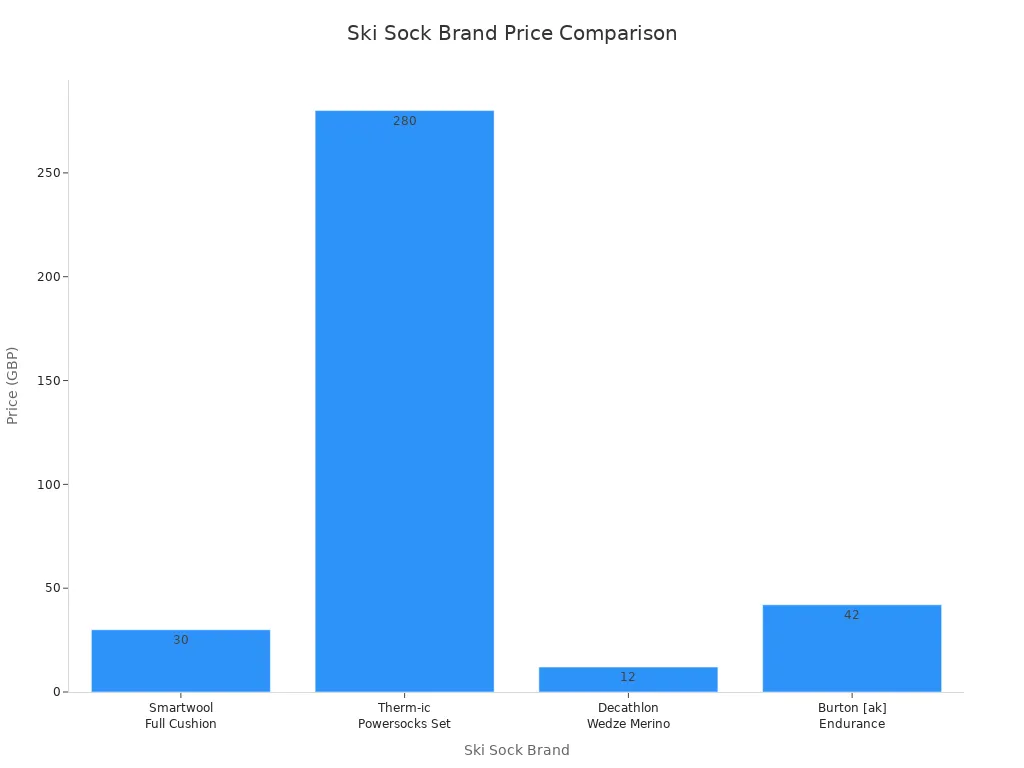
Buying good ski socks is a smart choice. You get more comfort, warmth, and better skiing every time you go.
You should wash ski socks after each day of skiing. Clean socks help prevent blisters and keep your feet healthy. Use mild detergent and avoid fabric softeners to protect the sock fibers.
You should not wear two pairs of ski socks. Extra layers can cause bunching and discomfort. One quality pair provides enough warmth and fits better inside your ski boots.
Tip: Choose socks with good insulation instead of doubling up.
| Material | Benefit |
|---|---|
| Merino Wool | Warmth, moisture control |
| Synthetic | Durability, quick drying |
| Bamboo | Softness, breathability |
You get the best results with merino wool or synthetic blends.
You can use ski socks for snowboarding, hiking, or snowshoeing. The padding and moisture-wicking features help in many cold-weather activities. You stay comfortable and protected in different sports.


