Foshan Mingjun Textile Company Ltd.

Views: 0 Author: Site Editor Publish Time: 2025-10-29 Origin: Site
You might wonder what really goes under your ski pants. Should you wear socks, leggings, or maybe both? You need both, but they each do a different job. Ski socks keep your feet warm and dry. Leggings or a base layer add another layer of warmth and help manage sweat. Comfort matters when you ski, so you want the right materials. Many people ask, do ski socks go over or under leggings? The answer can make a big difference in how comfortable you feel on the slopes.
Always wear ski socks directly against your skin. This keeps your feet warm and dry while ensuring a proper fit in your boots.
Choose base layer bottoms made from moisture-wicking materials like Merino wool or synthetic fabrics. Avoid cotton to stay warm and dry.
Layer correctly: start with a snug base layer, add ski socks, and finish with waterproof ski pants. This order maximizes comfort and warmth.
Avoid bulky layers under ski pants. Stick to a thin mid layer if needed, as too many layers can restrict movement and cause overheating.
Check the weather before dressing. Adjust your layers based on conditions to ensure you stay comfortable throughout your ski day.
When you get ready for a day on the slopes, you might wonder what to wear under ski pants. You need more than just one layer. Both ski socks and base layer bottoms are important, but they do different things. Ski socks keep your feet warm and dry. Base layer bottoms, like leggings or thermal underwear, add warmth and help manage sweat. If you want to stay comfortable, you need to pick the right materials and avoid common mistakes.
Base layer bottoms are the first thing you put on your legs before you pull on your ski and snowboard pants. These are usually leggings or long johns. You want them to fit close to your skin, but not too tight. The main job of base layer bottoms is to keep you warm and dry. They do this by pulling sweat away from your skin, which is called moisture-wicking properties. This keeps you from feeling cold and clammy when you stop moving.
Outdoor apparel experts say that base layer bottoms are essential for skiing. They give you comfort and warmth, just like base layer tops do for your upper body. If you want to keep your legs warm, quality long johns or leggings work best. Here are some tips for choosing base layer bottoms:
Pick materials with moisture-wicking properties, like Merino wool or synthetic fabrics.
Stay away from cotton. Cotton soaks up sweat and dries slowly, which can make you cold.
Make sure your base layer is breathable and insulating. This helps you stay warm without overheating.
Look for a snug fit that does not bunch up under your ski and snowboard pants.
Tip: Always check the weather before you head out. If it’s extra cold, you might want a thicker base layer. If it’s warmer, a lighter one will do.
Thermal underwear is another name for base layer bottoms, but it often means a thicker, more insulating layer. You wear thermal underwear right against your skin, under your ski and snowboard pants. The best thermal underwear has moisture-wicking properties and is breathable, so you stay dry and warm all day.
Let’s look at how some popular brands of thermal underwear compare:
| Brand | Warmth | Breathability | Comfort | Fit | Durability | Drying Speed | Layering Ability |
|---|---|---|---|---|---|---|---|
| Arc'teryx Rho Bottoms | High | High | High | High | High | Fast | Excellent |
| Patagonia Capilene Thermal Weight | High | High | High | High | High | Fast | Excellent |
| Minus33 Kancamagus Midweight Merino Wool Bottoms | High | Medium | High | High | High | Medium | Good |
When you pick thermal underwear, look for these features:
Moisture-wicking properties to keep sweat off your skin.
Breathable fabric so you don’t overheat.
Insulating material to trap warmth.
A fit that works well under your ski and snowboard pants and does not bunch up.
You might think about adding mid layers under ski pants, but most of the time, a good base layer and your waterproof ski and snowboard pants are enough. If it’s very cold, you can add a thin mid layer, but avoid anything bulky. Bulky layers can make your ski pants tight and uncomfortable.
Here are some common mistakes to avoid when choosing what to wear under ski pants:
Wearing cotton. Cotton holds sweat and makes you cold.
Using denim or sweatpants as a base layer. These do not have insulating or moisture-wicking properties.
Picking base layers that are not breathable.
Wearing too many mid layers under ski pants, which can make you too hot or restrict movement.
Note: Your base layer and thermal underwear should work together with your waterproof ski and snowboard pants. This combo keeps you warm, dry, and comfortable, no matter how long you stay outside.
If you follow these tips, you will know exactly what to wear under ski pants. Choose base layer bottoms and thermal underwear with moisture-wicking properties, breathable and insulating fabrics, and a good fit. Skip cotton and bulky mid layers under ski pants. With the right layers, you will enjoy every run down the mountain.

When you get ready for a day on the slopes, you want your feet to stay warm and dry. That’s where ski socks come in. You should always wear ski socks directly against your skin, not over leggings or base layers. This helps your feet stay comfortable and keeps your boots fitting just right.
The best ski socks use materials that keep your feet warm and pull sweat away from your skin. Merino wool stands out because it traps heat and wicks away moisture. You’ll also find socks with synthetic fibers like nylon or polyester. These help the socks dry quickly and last longer. Some ski socks even have compression features, which can boost blood flow and keep your feet warmer.
Here are some top choices for ski socks:
Icebreaker Ski+ Light: Great for keeping your feet warm and dry.
Darn Tough: Packed with Merino wool for extra warmth.
Smartwool Ski Zero Cushion: Lightweight and excellent at wicking away sweat.
Tip: Avoid cotton socks. Cotton holds onto moisture and dries slowly, which can make your feet cold and uncomfortable.
You can check out this table for some popular ski sock brands and their features:
| Brand | Material | Cushioning | Length | Key Features |
|---|---|---|---|---|
| Icebreaker Merino Ski+ Light OTC | 53% merino wool, 44% nylon, 3% Lycra | Light | Over the Calf | Cozy, warm, moisture-wicking |
| Smartwool Ski Targeted Cushion | 56% merino, 39% nylon, 3% elastane, 2% polyester | Midweight | 13” over the calf | Warm, comfy, durable, great fit |
| Darn Tough Thermolite EDGE OTC Midweight | 60% Thermolite polyester, 38% nylon, 2% Lycra Spandex | Medium | Over the calf | Durable, padded, lifetime warranty |
You want your ski socks to fit snugly but not feel too tight. The best length is just below your knee. This keeps your legs protected from rubbing and helps your boots fit better. Make sure your socks don’t bunch up or have extra fabric. That can cause blisters or sore spots.
Professional skiers recommend these tips for the best fit:
Choose socks that hug your toes, ankles, and shins.
Don’t wear two pairs of socks. Doubling up can cause friction, bunching, and even bruising.
Stick with one good pair of ski socks for the best comfort and warmth.
If you follow these tips, your feet will thank you after a long day on the mountain.
You might ask yourself, do ski socks go over or under leggings? This is one of the most common questions for new skiers. The answer is simple: ski socks should always go directly on your skin. You never want to wear your base layer bottoms or leggings inside your socks. This layering order keeps your feet warm, dry, and comfortable all day.
Let’s break down the right way to layer. When you get dressed for skiing, start with your base layer bottoms. These should fit close to your skin and stop at your ankle or calf. Next, pull on your ski socks. Make sure the socks cover your lower leg and reach just below your knee. Your ski socks should never go over your leggings, and your leggings should not be tucked into your socks.
Here’s why this order matters:
Ski socks work best when they touch your skin. This helps them wick away sweat and keep your feet dry.
If you tuck leggings into your socks, you can get wrinkles or bunching. This can cause blisters or sore spots in your boots.
Socks that fit well prevent rubbing and discomfort.
High-quality ski socks with good insulation and moisture-wicking materials keep your feet warm and dry.
Tip: Always check for smooth layers before you put on your ski boots. Wrinkles or bunching can ruin your day on the slopes.
Ski gear manufacturers recommend this layering order for the best comfort:
Pick thermal or moisture-wicking materials.
Avoid cotton, which holds moisture and makes you cold.
Select ski socks made from wool or synthetic fibers.
Make sure your socks fit well to prevent blisters.
If you ever wonder again, do ski socks go over or under leggings, remember: socks on skin, leggings outside.
Now, let’s talk about three-quarter base layers. Many skiers love these because they stop at your calf, not your ankle. This design keeps extra fabric out of your boots. You won’t have to worry about your leggings bunching up or causing pressure points.
Here’s a quick look at how three-quarter base layers compare to full-length ones:
| Feature | Full-Length Base Layers | Three-Quarter Base Layers |
|---|---|---|
| Length | Reaches the ankles | Cropped, stops at the calf |
| Clumping | Can bunch up in boots | Reduces clumping |
| Use Case | Good for very cold days | Great for boot comfort |
Skiers who use three-quarter base layers say they feel less bulk in their boots and more comfort on long days. Some people like that they can wear taller socks to cover the lower leg, while others find it easier to change base layers without taking off their boots.
Note: Experts say that long underwear ending at the calf is best for skiing. This style helps you avoid extra fabric in your boots and keeps your feet happy.
If you still wonder, do ski socks go over or under leggings, think about how three-quarter base layers make it even easier to get the right fit. You get warmth and comfort without the hassle of bunching or wrinkles.
When you follow the right layering order, you get better moisture control, more warmth, and a better fit in your ski boots. You also avoid common problems like blisters and sore spots. So, the next time you ask, do ski socks go over or under leggings, you’ll know exactly what to do for a great day on the mountain.
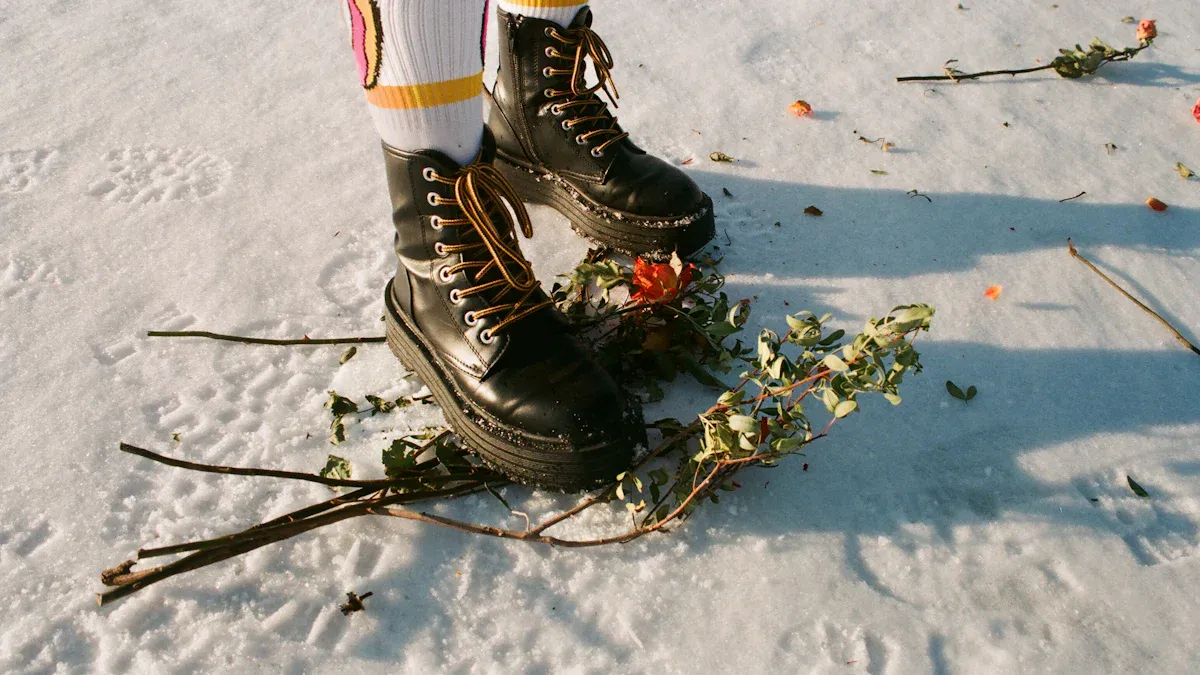
You want to stay warm on the slopes, but bulky layers can make skiing uncomfortable. If your leggings or fleece pants feel thick and tight inside your boots, you might have trouble moving. Choose base layers that fit snugly. This helps you avoid extra fabric that can bunch up and cause discomfort. Mid layers should match the weather and your activity level. On cold days, pick a thicker mid layer. On warmer days, go lighter.
Here’s a quick look at how ski instructors recommend you build your layers:
| Layer | Purpose | Materials |
|---|---|---|
| Base Layer | Wicks sweat away from your skin and adds comfort | Merino wool, Polyester |
| Mid Layer | Adds insulation and can be swapped for versatility | Wool, Synthetic fleece |
| Outer Layer | Keeps you dry and protected while letting you breathe | Gore-Tex, Softshell fabric |
Tip: Always let your outer shell jacket and pants dry overnight. Dry gear keeps you warmer and more comfortable.
To avoid bulk, remember:
Pick base layers that hug your body.
Only add a mid layer if the weather calls for it.
Don’t wear more than three layers under your ski pants.
Many new skiers make the same mistakes with layering. You can avoid these problems with a few simple steps.
Don’t wear cotton. Cotton holds moisture and makes you cold.
Avoid wearing too many layers. Too much clothing can cause overheating and sweating, which leads to chills.
Never wear wet clothes. Always start your day with dry layers.
Don’t tuck leggings into your socks. This can cause bunching and blisters.
Check the weather before you get dressed. Adjust your layers for the day’s conditions.
Note: One good pair of wool or synthetic socks works better than two pairs of cotton socks.
Here’s a quick checklist for effective layering:
Wear all three layers for skiing: base, mid, and outer.
Choose a thicker mid layer on cold days.
Make sure every layer is dry.
Pick an outer shell that blocks water but lets sweat escape.
Never use cotton for any layer.
If you follow these tips, you’ll stay warm, dry, and comfortable all day. Smart layering helps you enjoy every run without feeling bulky or cold.
You need both ski socks and base layer bottoms for a great day on the slopes. When you pick the right materials and layer them correctly, you stay warm and comfortable. Here’s why this matters:
Proper layering keeps you warm and helps you move easily.
Good ski socks wick away sweat and cushion your feet.
Quality base layers help control your body temperature and last longer.
Stick with these tips, and you’ll enjoy every run with more comfort and confidence.
You should wear a base layer made from breathable fabrics. Long underclothing works best. This keeps you warm and dry. Avoid cotton. It traps moisture and makes you cold.
Yes! What to wear snowboarding is almost the same as skiing. Use a three-layer system: base layer, mid layer, and outer shell. This setup keeps you comfortable and dry on the mountain.
You need to follow the three-layer system. Start with a moisture-wicking base layer. Add an insulating mid layer. Finish with a waterproof outer shell. This is what to wear in below-freezing temperatures for the best warmth.
Three-quarter base layers stop at your calf. They keep extra fabric out of your boots. Many people find them more comfortable. You can move easier and avoid bunching.
Look for breathable fabrics like Merino wool or synthetic blends. These materials wick sweat away and keep you warm. They work well for what to wear snowboarding and skiing.


