Foshan Mingjun Textile Company Ltd.

Views: 0 Author: Site Editor Publish Time: 2026-01-22 Origin: Site
Moisture-wicking socks really do help if you have eczema. They pull sweat away from your feet, so your skin stays dry and less irritated. You might not realize it, but about 10 percent of people with eczema notice foot symptoms that change based on the socks they wear. Choosing the right pair of eczema socks can make a big difference for eczema-prone skin. Even something as simple as switching from regular cotton socks can give you relief and comfort.
Moisture-wicking socks help keep feet dry by moving sweat away. This can help stop eczema from getting worse. - Pick socks made from natural fibers like wool or cotton. These are less likely to bother your skin and feel more comfortable. - Try to find socks that are hypoallergenic and have no added scents. This can help lower the chance of irritation and flare-ups. - Stay away from socks made with synthetic materials or tight elastic. These can trap heat and sweat, making eczema worse. - Take care of your socks by washing them in cold water and letting them air dry. This helps them stay soft and work well.
Image Source: pexels
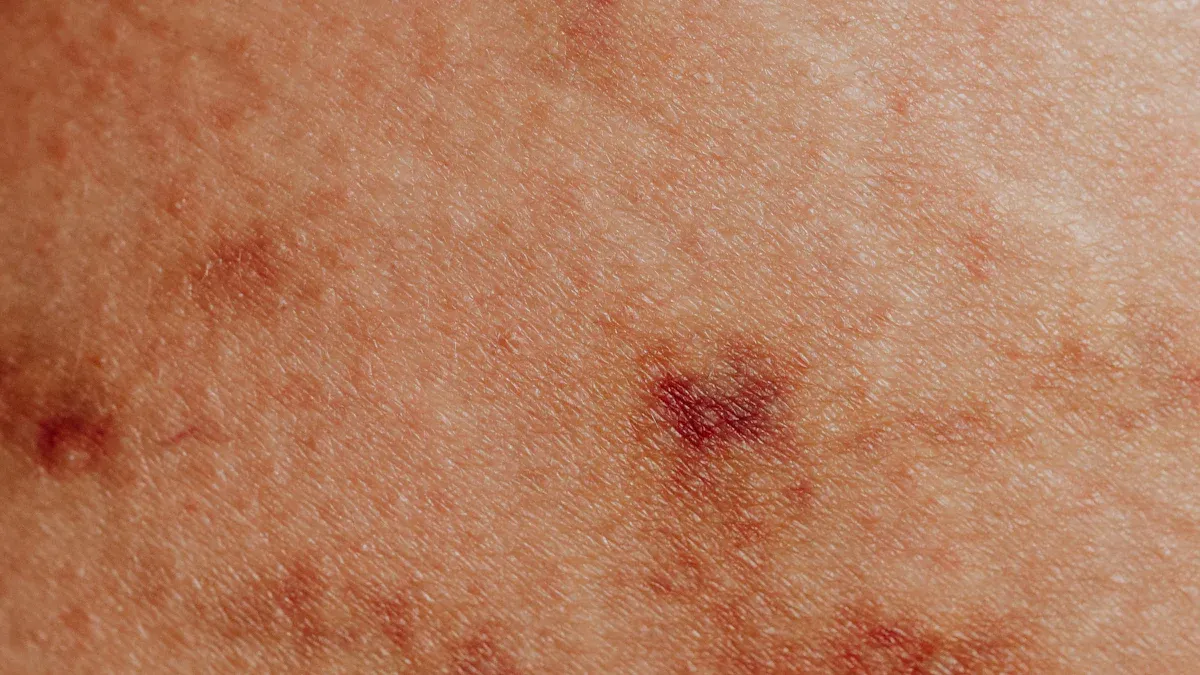
If you have eczema-prone skin, your feet can be very sensitive. The skin on your feet has trouble keeping out things that bother it. This means your feet can react to sweat, heat, or even your socks. When your skin barrier is weak, you may feel more itching and redness. Your feet might also hurt or feel uncomfortable.
Here are some symptoms you might see with eczema on your feet:
Symptom | Description |
|---|---|
Blisters | Show up on the bottoms of your feet |
Itching | Makes you want to scratch your feet |
Pain | Hurts in the spots where you have eczema |
Scaly or flaky skin | Skin looks rough or peels |
Dry, cracked skin | Skin is very dry and splits |
Foot eczema is common, especially if you have eczema on your hands. Studies say about 27.8% of people with hand eczema also get it on their feet. Foot eczema does not get talked about as much, but it can be just as hard to deal with. Sweating, some jobs, and being male can make foot eczema more likely.
Tip: If you see blisters, cracked skin, or keep itching, try eczema socks made for sensitive skin. They can help your feet feel better.
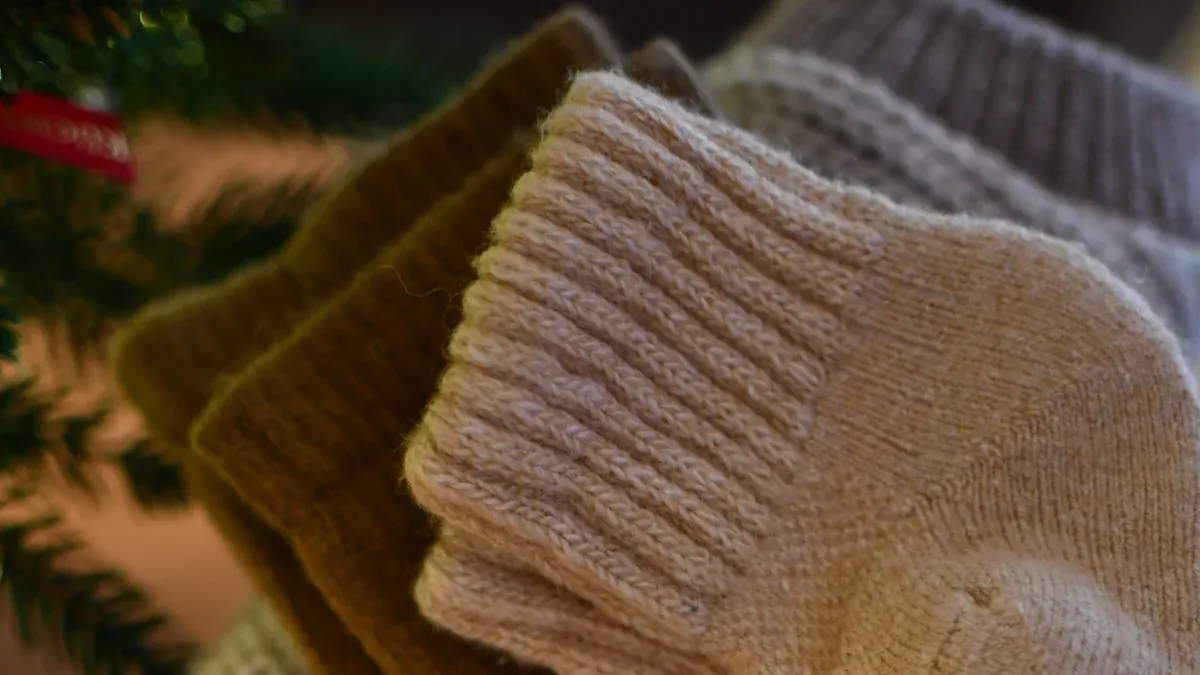
The socks you pick can change how your feet feel every day. Some sock materials can make eczema worse, but others can help your skin. Wool, like merino wool, is a good choice because it soaks up sweat and keeps feet dry. This stops your feet from getting too hot, which can make eczema worse. Wool socks also make your feet feel soft and stop rubbing, which is good for sensitive skin.
Polyester socks are different. They can hold in sweat and heat. This makes your feet warm and damp, which can make your skin itchy. Polyester socks with tight elastic or chemicals can also bother your skin.
Here is a quick look at how different socks affect your feet:
Mechanism | Wool Socks | Polyester Socks |
|---|---|---|
Fiber Diameter | Soft, thin fibers are gentle on skin | N/A |
Moisture Management | Keeps feet dry and stops sweat from building up | Holds sweat in, which can make skin worse |
Breathability | Lets air in, so feet stay cool and less itchy | Not much air gets in, so feet feel hot |
Friction and Texture | Feels soft and stops rubbing | Tight socks can rub and hurt skin |
Chemical Processing | Usually does not bother skin | Often has chemicals that can irritate |
Picking eczema socks made from natural fibers like wool or cotton can really help. You get better control over sweat, less rubbing, and fewer eczema problems.
You may wonder how moisture-wicking socks keep feet dry. The answer is in the fabric’s science. These socks use special technology to move sweat away from your skin. Here’s what happens:
Capillary Action: The fibers pull sweat through tiny spaces. This moves sweat away from your skin.
Fiber Structure: Some materials, like polyester and nylon, are made to help sweat move and dry fast.
Chemical Treatments: Many socks get treated to push water away. This means sweat does not stay next to your skin.
When you compare moisture-wicking socks to regular socks, you see a big change. Polypropylene socks move sweat the fastest. They keep your feet dry. Wool socks also help, but they work a little slower. Nylon socks do not wick sweat well. They can leave your feet damp. In one study, socks made from Merino wool and polypropylene felt cooler and more comfy than socks made almost all from polypropylene. The wool blend sock could soak up almost three times more sweat than the polypropylene sock.
If you look at the materials in these socks, you will see some are better for moisture control:
Material | Additional Features | |
|---|---|---|
Alpaca Fiber | 8% | Great at wicking moisture, lets feet breathe, controls odor, eco-friendly |
Synthetic Materials | Varies | Moves moisture well, but can trap heat and odors, not as good for the environment |
If you have eczema-prone skin, it is important to keep your feet dry and comfy. Moisture-wicking socks do more than just move sweat. They protect your skin in many ways:
Clinical trials show these socks can help your skin cells live better when things try to bother them.
The special fibers help your skin get moisture back three times faster than untreated materials.
The socks make a barrier that keeps bad stuff away from your skin. This is very important if you have eczema.
They help control temperature, so your feet do not get too hot or itchy.
The fabric lets your skin breathe but also keeps in the right amount of moisture. This means your feet do not dry out.
You get protection from things like detergent left on socks, which can make your skin more sensitive.
Wearing moisture-wicking socks can lower your chances of flare-ups, especially if you have dyshidrotic eczema. Dry feet mean less itching and fewer problems. If you want to care for your feet, picking eczema socks with moisture-wicking technology is a smart choice.
Tip: Try switching to moisture-wicking socks if your feet get sweaty or itchy. You might feel better right away!
Image Source: pexels
When you pick socks for eczema, look for natural fibers. These materials feel soft and gentle on your skin. Cotton, wool, and TENCEL are good choices. They help keep your feet dry and comfy. Each one has its own benefits.
Here’s a table that shows how these materials compare:
Material | Dry Insulation (%) | Wet Insulation (%) | Drying Time | Ideal Use |
|---|---|---|---|---|
100% Cotton | 100 | 25 | 60+ min | Casual, indoor |
Merino Wool | 100 | 80 | 30 min | Hiking, skiing |
TENCEL™ | Up to 50% more moisture absorption than cotton | N/A | N/A | Eco-friendly alternatives |
Cotton is soft and soaks up sweat, but it dries slowly. Merino wool keeps feet warm and dry, even if you sweat. TENCEL soaks up more sweat than cotton and comes from plants. It is a good eco-friendly pick. Socks made from these natural fibers can help your skin feel less itchy.
If you want extra comfort, try bamboo socks. Bamboo is a natural fiber that feels smooth and lets your feet breathe. MINGJUN Hosiery makes bamboo socks that are soft and gentle. These socks use OEKO-TEX® certified materials, so they are safe and eco-friendly.
Tip: Pick socks made from organic cotton, merino wool, TENCEL, or bamboo. These natural fibers help keep your feet dry and happy.
You need socks that do not make your skin react. The best socks for eczema use hypoallergenic materials and skip harsh chemicals. Socks made from organic cotton and TENCEL are popular. They do not have dyes or scents that can bother your skin. Doctors say these materials are good for eczema socks because they help stop flare-ups.
Let’s look at some features that make socks allergy-friendly:
Feature | Description |
|---|---|
Hypoallergenic Formulations | Designed to minimize allergic reactions, ideal for sensitive skin. |
Fragrance-Free Options | Reduces chances of irritation and redness by avoiding potential irritants. |
Non-Comedogenic Characteristics | Prevents clogged pores, ensuring a clear complexion without breakouts. |
Soothing Ingredients | Ingredients like aloe vera and chamomile calm irritated skin effectively. |
Allergy-Tested Skincare | Undergoes testing to ensure minimal risk of reactions, crucial for highly reactive skin types. |
pH-Balanced Skincare | Maintains natural skin pH to avoid irritation, crucial for sensitive skin. |
You can find socks with these features at MINGJUN Hosiery. They let you choose the styles and materials you like best. Their bamboo socks use natural fiber and are made in a way that is good for the planet. Bamboo grows fast and does not need much water, so it is good for your skin and the earth.
Here’s another table showing why soft, natural, and organic materials matter for eczema-prone skin:
Fabric | Benefits |
|---|---|
Organic Cotton | Soft, breathable, hypoallergenic, absorbent, durable, environmentally friendly. |
Silk | Soft, breathable, strong, moisture-absorbing, produced without pesticides. |
Tencel | Soft, breathable, biodegradable, uses less water and energy in production, compostable. |
Bamboo | Soft, breathable, hypoallergenic, environmentally friendly, smooth texture. |
You want socks that feel nice and protect your skin. Natural fibers like organic cotton, TENCEL, and bamboo help you avoid skin problems. MINGJUN Hosiery lets you pick the socks that fit your needs and style.
Note: Choosing socks made from hypoallergenic and natural fibers can really help if you have eczema. You will feel less itchy and more comfortable every day.
Picking the right socks can help you manage eczema and stop that annoying itch. You want socks that feel soft, fit well, and keep your feet dry. Here’s what you should look for when shopping:
Hypoallergenic materials help lower your risk of irritation and itch.
Moisture-wicking and breathable fabrics keep sweat away, so your feet stay dry and less likely to itch.
Seamless construction means no rough seams to rub and cause itch or pain.
Proper cushioning gives your feet comfort and helps with blood flow.
Non-binding tops stop elastic from digging into your skin and making you itch.
MINGJUN Hosiery lets you pick custom socks with these features. You can choose the material, fit, and even the color. Their socks use high-quality, eco-friendly fibers that help you avoid itch and keep your feet happy.
You also need to know what to avoid. Some sock features can make your itch worse or even cause a flare-up. Check out this table:
Feature | Reason for Avoidance |
|---|---|
Synthetic Fibers | Trap heat and sweat, making itch worse. |
Bulky Toe Seams | Rub against skin and cause pain or itch. |
Dyes and Artificial Coloring | Can cause allergies or trigger itch. |
Harmful Chemicals | Irritate sensitive skin and make you itch. |
Leather, Rubber, Adhesives | May contain irritants that lead to itch. |
Poor Fit | Can cause blisters or restrict blood flow, leading to itch. |
Taking care of your socks helps them last longer and keeps your feet from itch. Here are some easy tips:
Wash socks in cold water to keep their shape and color.
Use a mild, fragrance-free detergent to avoid skin irritation and itch.
Skip fabric softeners, bleach, or conditioners. These can break down fibers and make your skin itch.
Turn socks inside out before washing. This cleans the dirtiest part and helps prevent itch.
Air dry socks flat. Dryer heat can damage fibers and make socks rough, which can lead to itch.
You can also sort socks by color and fabric type before washing. This keeps colors bright and stops damage. If you follow these steps, your socks will stay soft and comfy, and you will have less itch.
MINGJUN Hosiery’s socks are made for easy care. Their quality means you get socks that last and help you fight itch every day.
Tip: Good sock care means less itch and more comfort for your feet!
You can help your feet a lot by picking moisture-wicking socks. Research shows that socks like Tepso® can lower eczema spots by 42.6%. Cotton socks do not help as much.
Parameter | Tepso® Socks | Cotton Socks |
|---|---|---|
Average lesion reduction rate | 42.6% | 2.7% |
Overall satisfaction improvement | 20% median | N/A |
Moisture-wicking materials, like merino wool and special synthetics, keep you comfy and stop flare-ups. Some brands, such as MINGJUN Hosiery, have earth-friendly choices. These include bamboo and organic cotton socks. They are soft on your skin and good for nature. You should wear socks that make your feet feel good and keep your skin healthy every day!
Merino wool socks feel soft and gentle. You get great moisture control. Your feet stay dry and less itchy. Merino wool helps keep your skin cool and comfortable. You can wear them all day without worrying about irritation.
Yes, you can wear merino wool socks in summer. Merino wool breathes well and keeps your feet cool. You do not feel sweaty or sticky. The fibers wick moisture away, so your skin stays fresh even when it is hot outside.
You can trust merino wool socks for sensitive skin. The fibers are smooth and do not scratch. Merino wool is hypoallergenic. You avoid harsh chemicals and dyes. Your feet feel calm and protected. Many people with eczema choose merino wool for comfort.
Wash merino wool socks in cold water. Use a gentle, fragrance-free detergent. Skip bleach and fabric softeners. Air dry your socks flat. You keep the fibers soft and strong. Your socks last longer and help your skin stay healthy.
You can find high-quality merino wool socks at MINGJUN Hosiery. They offer customizable options. You pick the style and fit you like. Their socks use eco-friendly materials. Your feet get comfort and protection. Visit their website for more choices.