Foshan Mingjun Textile Company Ltd.

Views: 0 Author: Site Editor Publish Time: 2025-12-05 Origin: Site
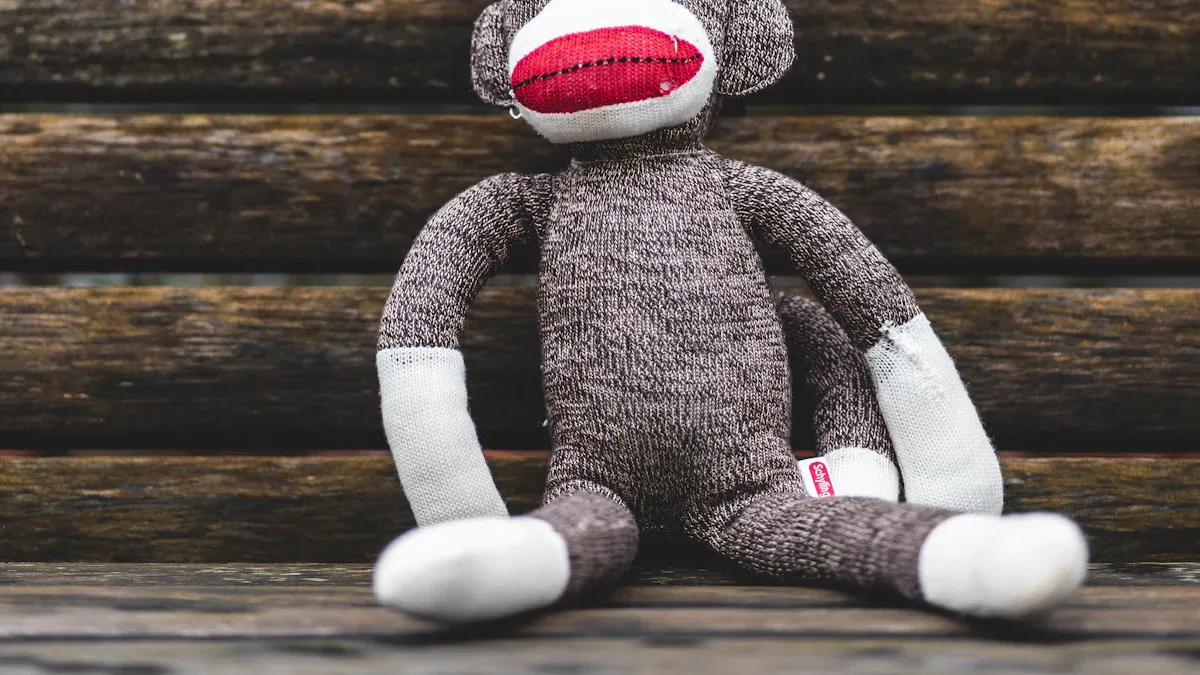
Ready to start making a sock monkey step by step? Here are clear how to make a sock monkey instructions that will guide you through the process. You will find a list of materials you need, along with easy tips for your first sock monkey. Sock monkeys are loved by beginners for their cute and slightly strange appearance. Here is a fun history:
Year | Event | Significance |
|---|---|---|
1951 | Nelson Knitting discovers sock monkeys | Commercial recognition begins |
1955 | Patent awarded | Becomes an American craft classic |
1958 | Pack-O-Fun publishes tutorial | Families join the trend |
2005 | Sock Monkey Madness Festival | Celebrates their cultural impact |
This tutorial provides you with ideas to make your monkey unique.
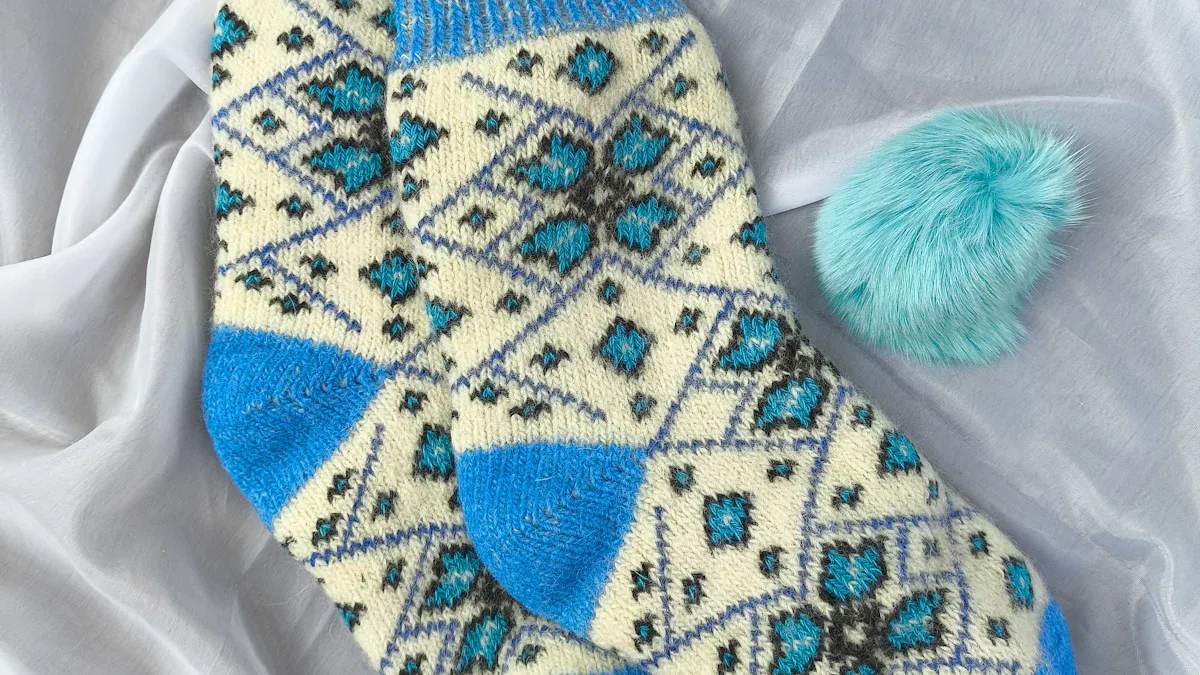
Pick good socks for your sock monkey. Red Heel socks are a classic choice. You can also try cotton, wool, or blends. These give your monkey different looks.
Read each step and follow it closely. Every part of the sock monkey needs care. This includes the limbs and the face. Careful work makes your monkey look nice.
Make your sock monkey special with decorations. You can add names or dates. You can also use cool accessories. This makes your monkey a special keepsake.
Image Source: unsplash
You want your sock monkey to look cute and last a long time. Start with a good pair of socks. Most crafters love using the Original Red Heel socks. These socks show up in many printable pattern guides and sock monkey kits. You can also try other crew socks if you want a different look. Here are some things to think about:
The Original Red Heel socks give your monkey a classic style.
Cotton socks feel soft and easy to sew.
Wool socks last longer but cost more.
Synthetic blends work well and stay strong, but they might not breathe as much.
Material | Advantages | Disadvantages |
|---|---|---|
Cotton | Breathable, soft | |
Wool | Durable, moisture-wicking (6-12 months) | Can be more expensive |
Synthetic Blends | Durable, designed for performance (6-12 months) | May not be as breathable as cotton |
If you want to help the planet, try using recycled socks. These socks use less energy to make and keep plastic out of landfills and oceans.
You do not need fancy tools to make a sock monkey. Grab your pair of socks and gather these supplies:
Poly-fill stuffing
Needle and thread
Scissors
Pins
Long sewing needle (about 2")
Black and yellow embroidery floss
White felt
Button eyes
Paper or cardstock for your printable pattern
Printer and erasable fabric marker
Iron
You can use a sewing machine or sew by hand. Many printable pattern guides include all these items, or you can find them in sock monkey kits.
You can make your sock monkey special with decorations. Add a name, a date, or a holiday greeting. Many people use felt shapes, ribbons, or even tiny hats. Personal touches like these turn your monkey into a keepsake. You can write a name or year on the monkey’s foot or belly for a fun memory.
Image Source: unsplash
Ready to dive into the step-by-step tutorial? Here are the how to make a sock monkey instructions you need. This tutorial will walk you through every part, from how to prepare the sock to the final touches. Grab your sock monkey template or sock monkey pattern, and let’s get started!
Take your socks and turn them inside out. This step helps you hide the seams, so your sock monkey looks neat when finished.
Make sure the right sides of the fabric face each other. This is a common rule in sewing and helps you get a clean look.
Double-check that you leave a gap for turning the sock right side out later. Many people forget this and struggle to flip the sock after sewing.
Tip: If you make holes for the eyes, remember to turn the sock inside out again before sewing. This keeps your monkey looking tidy.
Now, you need to cut the socks to create the body, arms, legs, tail, ears, and mouth. Use sharp scissors for clean cuts. Mark your lines with a water-soluble pen or fabric marker for accuracy.
Part | Instructions |
|---|---|
Mouth | Cut the heel from the sock, leaving a brown edge around the white. Fasten on lower part of the face, whip-stitching around the bottom; stuff and finish sewing around the top. The mouth can be improved by a running stitch of either black or white across the middle of the lips. |
Tail | Cut a one inch strip, taper to end of cuff on length of front of sock. Seam and stuff. |
Ears | Cut the ears from the remaining brown part of the sole of the sock. |
Eyes | Sew on moving eyes, buttons, felt, or embroider with black thread. (For very small children embroider the eyes.) |
Arms | Cut the upper part of the sock into two pieces. Seam, rounding the ends and stuff the arms. |
Cap | Cut off toe of another sock, leaving 1/2 inch of brown to roll for a brim. Sometimes a fez is used for a cap. |
Use scissors for all cuts.
Mark sewing lines with a fabric marker or water-soluble pen.
Time to sew the limbs and body. Follow these steps for strong seams:
Sew along the marked lines for the legs, arms, tail, and ears.
Use a slip stitch for most parts. This stitch is tight and durable.
For the ears, use a whip stitch to attach them securely.
If you are a tight stitcher, all of these items can be slip stitched and are probably most durable! You will have to hand stitch the ears, with a whip stitch.
After sewing, flip each piece right side out. Take your time so you don’t stretch the fabric.
You want your sock monkey to feel soft and keep its shape. Use fiberfill stuffing for the best results. Here’s how to stuff the monkey:
Start with small tufts of fiberfill, especially for the legs and arms. This helps avoid lumps.
Fill the body and head until they feel firm but still cuddly.
Don’t overstuff, or the seams might stretch.
Fiberfill is the best choice for softness and shape retention. If you use too much at once, your monkey might look lumpy.
Now you will put all the parts together. Follow these how to make a sock monkey instructions for assembly:
Place the stuffed arms, legs, tail, and ears in position on the body.
Pin each part in place to check the look before sewing.
Sew each limb onto the body using a whip stitch or slip stitch. Make sure your stitches are tight so nothing comes loose.
After you stuff and attach each part, check for gaps and sew them closed.
Here’s a quick checklist for assembly:
Pin parts before sewing for best placement.
Use tight stitches to keep everything secure.
Hide knots inside the body for a clean finish.
Facial features give your sock monkey its personality. You can use felt, buttons, or embroidery. Here’s a quick guide:
Material | Purpose |
|---|---|
White felt | Used for the eye base |
Black thread | Used for stitching the eyes |
Buttons | Used for the eyes |
Googly eyes | Alternative for eyes (less preferred) |
Cut white felt into circles for the eye base.
Sew on buttons or embroider eyes with black thread.
For young children, use felt or embroidery instead of buttons to avoid choking hazards.
Method | Description |
|---|---|
Embroidered Eyes | Use embroidery to create eyes on felt, then attach them to the monkey. This avoids small parts that can be a choking hazard. |
Safety Eyes | Small safety eyes designed for craft toys are a secure option that minimizes risk for children. |
Knots Hidden | When embroidering, hide knots in inconspicuous areas to maintain aesthetics and safety. |
Tip: Complete the eyes before finishing the monkey to avoid complications. Hide knots in less visible areas to keep the design appealing.
You’re almost done! The final touches make your sock monkey unique. Here are some ideas:
Use white felt for the eye base and attach it with an outline stitch.
Position the heel of the sock to form the mouth, overlapping the eyes for a classic look.
Tuck raw edges under while stitching the mouth with a whip stitch, and stuff it with fiberfill for a rounded shape.
Sew on the black part of the eyes after the mouth is secured, using a satin stitch for detail.
Add a cap, scarf, or ribbon for extra personality.
Using good quality socks, sharp scissors, and quality thread makes your sock monkey feel softer and look more polished.
Here are some pro tips and solutions for common problems:
Use a needle and cotton thread for invisible hand stitches.
Sew tightly to avoid stuffing leaks.
Try colorful or patterned socks for a unique design.
If you have trouble securing parts, loop your thread for extra strength.
When stuffing the mouth, tuck in the edges and use safety pins to hold features in place while sewing.
Pin arms and ears before sewing to get the look you want.
If your monkey looks lumpy, use smaller tufts of stuffing and adjust as needed.
This tutorial gives you all the how to make a sock monkey instructions you need. If you follow each step in this step-by-step tutorial, you’ll create a sock monkey that’s both cute and sturdy. Don’t forget to personalize your monkey with decorations and share your finished creation!
You have finished your sock monkey! Making a sock monkey can help you feel calm. It is relaxing and can make you happy. You might feel proud of what you made. Try using rainbow socks for a cool look. You can use faux boot-button eyes for something different. If you want your monkey to look bigger, add more stuffing. Show your sock monkey to friends. You might inspire them to make one too.
Making a sock monkey can:
Give you comfort and help you feel better
Help you feel like you belong with others
Clear your mind and lower your stress
Make you feel relaxed and happy
You can finish your first sock monkey in about two hours. If you sew by hand, it might take a little longer.
Yes, you can wash your sock monkey. Use cold water and mild soap. Let it air dry. Avoid using a dryer.
You can use cotton balls, fabric scraps, or even old socks. Just make sure you stuff the monkey evenly for a smooth shape.