Foshan Mingjun Textile Company Ltd.

Views: 0 Author: Site Editor Publish Time: 2026-06-16 Origin: Site
You pull out your favorite socks, and there it is—a hole in the toe again. You might wonder, why do my socks always get holes in the toes? It feels like no matter what you do, socks just don’t last. If you ask, why do my socks always get holes in the toes? Quality matters. Brands like MingJun Hosiery make socks that help you avoid this annoying problem.
Choose high-quality socks made from durable materials to prevent holes in the toes.
Keep your toenails trimmed and smooth to avoid damaging your socks.
Wash your socks gently in cold water and rotate pairs to extend their lifespan.
Image Source: pexels
You probably ask yourself, why do my socks always get holes in the toes? You are not alone. Many people find themselves tossing out socks with holes way too often. Let’s break down the main reasons why this happens and what you can do about it.
Every time you walk, run, or even wiggle your toes, your socks rub against your feet and shoes. This is called continuous friction. Over time, this rubbing wears down the fabric, especially in high-pressure spots like the toes.
Socks are in constant contact with your feet, shoes, and the ground. Every step pushes your toes against the fabric, increasing friction. Thousands of steps each day, plus activities like running, make the fabric weaker and more likely to develop holes.
If your shoes fit too tightly or have rough insoles, the pressure on your toes increases. This makes holes in the toes appear even faster. When you wonder, why do my socks always get holes in the toes?, remember that constant friction is a big part of the answer.
Your toenails might seem harmless, but they can actually cause a big sock problem. If you have sharp toenails or jagged edges, they act like tiny blades.
Your toenails are basically tiny, sharp weapons against your sock fabric. If they're a bit long or have jagged edges, every step you take becomes a mini-shredding operation.
Sharp, uneven, or overly long toenails can cut through sock fibers, leading to holes.
Each step with sharp toenails causes constant abrasion against the sock material.
Over time, this leads to toe holes and makes you throw away socks with holes more often.
So, if you keep finding holes in socks, check your toenails. Keeping them trimmed and smooth can help your socks last longer.
Not all socks are created equal. The materials and knit quality make a huge difference in how long your socks last. Poor-quality materials wear out quickly, especially in the toe area.
Material Type | Durability Impact |
|---|---|
Nylon Blends | More robust, withstands friction better than lower-grade fibers. |
Merino Wool | Offers great durability and comfort, lasting years with care. |
Basic Cotton | Lacks elasticity, tears easily under stress. |
High-quality socks use longer, stronger fibers and sometimes reinforced toes. These features help prevent toe holes and make your socks last longer. Brands like MingJun Hosiery use advanced materials, such as nylon blends and merino wool, and focus on high needle count and precise design. This means you get socks that resist wear and tear, even if you’re active every day.
If you choose socks made from poor-quality materials, you’ll notice they develop holes much faster. When you ask, why do my socks always get holes in the toes?, think about the materials and knit quality.
Sock size and foot shape matter more than you might think. If your socks are too tight, they stretch and create friction points. If they’re too loose, they bunch up and rub against your toes. Both problems lead to holes in the toes.
Poor shoe fit also adds to the problem. Shoes that squeeze your toes or have a narrow toe box put extra pressure on your socks. This makes holes in socks appear even faster.
If you play sports, run, or walk a lot, your socks take a beating. High activity levels mean more movement, more sweat, and more friction. All these things make socks wear out faster, especially if they’re made from poor-quality materials.
Poorly fitting socks, whether too tight or too loose, lead to increased friction and strain on the fabric. High activity levels, especially in sports, make these issues worse because of repeated movements and moisture, which weaken the fibers.
When you pick socks, look for a good fit and materials that match your activity level. MingJun Hosiery offers socks designed for different sports and activities, so you can find the right pair for your needs.
So, why do my socks always get holes in the toes? The answer usually comes down to continuous friction, sharp toenails, poor-quality materials, and poor fit or high activity. Choosing socks with better design, high needle count, and strong materials—like those from MingJun Hosiery—can help you avoid toe holes and enjoy longer-lasting comfort.
Image Source: unsplash
You want socks that last and protect your toes. Pick socks made with strong materials and smart design. Some brands, like MingJun Hosiery, use special fiber engineering and sock technology. Their socks have reinforced zones and a high needle count. This helps lower friction and stops holes from forming in the toes. Look at this table to see which features are important:
Material | Comfort Features | Durability Features |
|---|---|---|
Wool/Alpaca | Keeps feet dry, fights odor | Very strong and lasts long |
Synthetic Blends | Controls moisture | Extra strong in busy spots |
Bamboo | Good for allergies | Good for Earth, uses less water |
Nylon Blends | Strong in busy spots | Makes socks last longer |
MingJun Hosiery uses advanced knitting and eco-friendly materials. Their socks come straight from the factory and are high quality. These socks work well in tough situations and do not get toe holes easily, even after many wears.
Keep your toenails short and smooth. Long or sharp toenails can make holes in your socks. Trim your toenails so they are even with your toe. Experts say you should wear socks with shoes to protect your feet and socks. Change your socks every day and choose ones that keep your feet dry for a better fit.
Tip: Do not walk barefoot if you want to protect your socks and feet.
Wash your socks inside out in cold water. Use a gentle soap and do not use fabric softener. Let socks air dry to keep their shape and stretch. Washing gently keeps the fibers strong and helps stop holes. Put socks in a mesh laundry bag to keep them from getting caught or torn.
Switch between different pairs of socks to spread out the wear. Do not wear the same pair every day. Socks with extra padding give more support and help stop damage from rubbing. Rotating your socks lets each pair rest and keeps your shoes fitting well.
If you see thin spots or small holes in your socks, fix them before they get bigger. Sometimes, you should just get new socks, especially if the material is bad or the strong parts are worn out. Stop using socks that do not protect your feet or fit right.
Note: You can stop holes by picking good socks, taking care of them, and making sure your shoes fit well.
You now know why your socks get holes in the toes. The main reasons are friction, sharp toenails, poor materials, and bad fit. Try these tips for longer-lasting socks:
Trim your toenails often.
Wash socks in cold water.
Rotate your socks.
Pick quality socks for comfort and durability.
When you choose better socks, you save money, help the planet, and enjoy happy feet every day!
You might walk more, have sharper toenails, or wear lower-quality socks. Try switching to stronger socks like MingJun Hosiery for better durability.
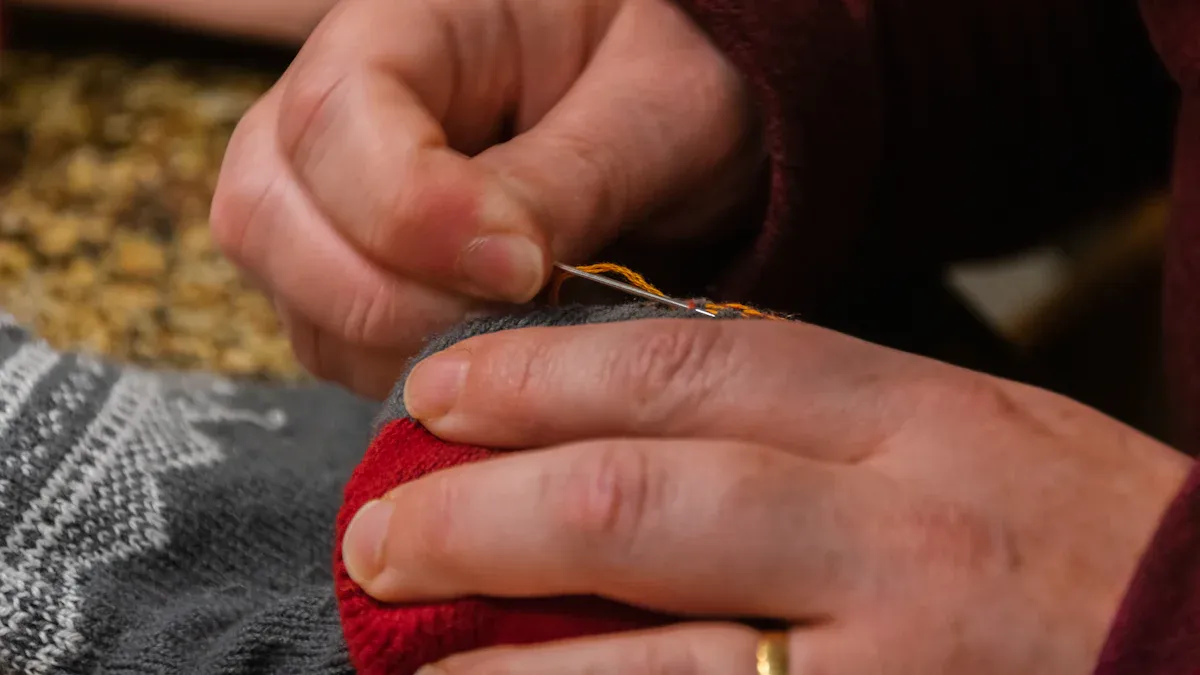
Yes! You can sew small holes with a needle and thread. This quick fix helps your socks last longer before you need new ones.
Check your socks every month. If you see thin spots or holes, it’s time for a new pair. Quality socks last longer and feel better on your feet.