Foshan Mingjun Textile Company Ltd.

Views: 0 Author: Site Editor Publish Time: 2026-04-08 Origin: Site
You may ask if compression socks can help with gout relief. Many people with gout have pain, swelling, and discomfort in their feet. Compression socks for gout help blood move better. This makes it harder for urate crystals to build up in your joints. They also lower swelling and pain. This gives you more comfort when you do daily things. Gout affects millions of adults. It is more common in men and older people. This means more people need products that help their feet. If you want to feel better, compression socks might really help.
Compression socks help blood move better. They can lower swelling and pain in feet with gout. The special pressure from these socks helps veins. This makes it easier for blood to go back to the heart. Compression socks can help your body get rid of extra fluid and uric acid. This can help with gout relief. Wear compression socks when you do not have a gout flare-up. This can make you feel better and stop swelling. Do not wear compression socks during a bad gout attack. They can make pain and discomfort worse. Pick socks that fit well and let your skin breathe. This will help you stay comfortable and make the socks work better. Check your skin for changes when you use compression socks. Talk to a doctor if you see any problems. Use compression socks with other gout treatments. These can be medicine and drinking water. This gives you the best results.
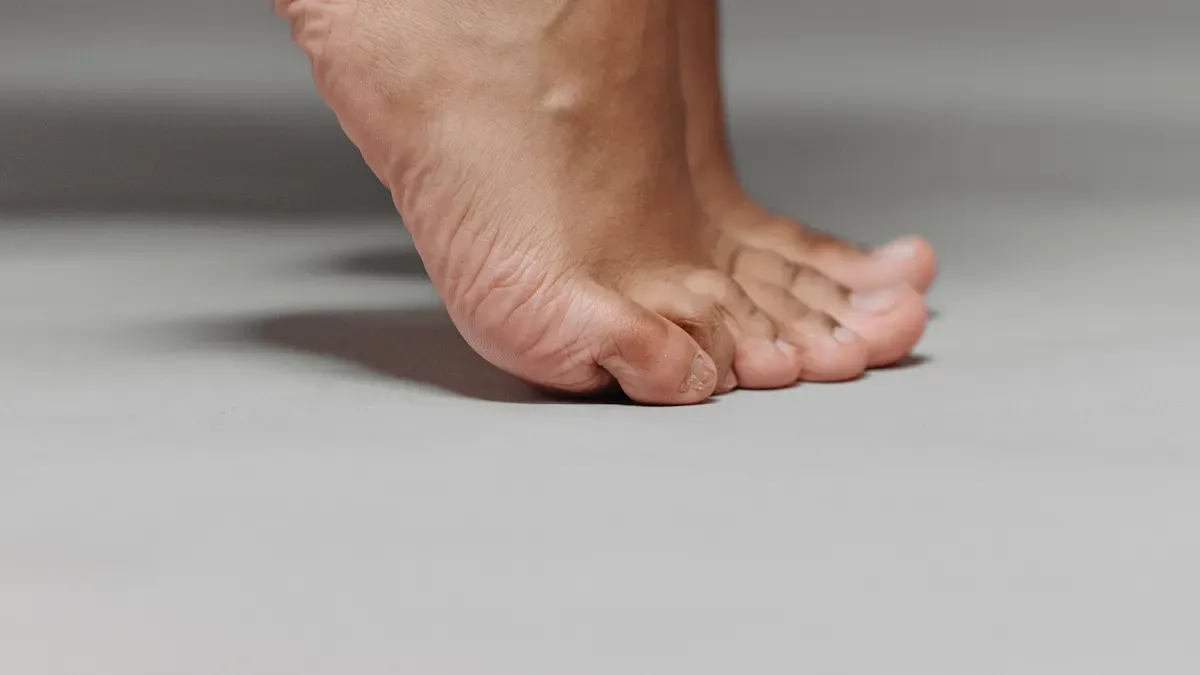
Image Source: pexels
You may wonder how compression socks for gout actually work. These socks use a special design called graduated pressure. This means the socks squeeze your ankle the most and get looser as they move up your leg. This gentle squeeze helps your veins push blood back to your heart. When you have gout, your feet and ankles can swell because blood and fluid collect in your lower legs. Compression socks stop this from happening.
Compression socks assist your veins in returning blood to your heart. This action fights gravity and keeps blood from pooling in your feet.
The socks use graduated pressure. This helps blood flow better and keeps swelling down.
Good blood flow reduces fluid buildup. This can lower pressure on your joints and help with gout relief.
Compression therapy uses these socks to support your body’s natural healing. You get better circulation, which means less swelling and more comfort. Many people with gout find that wearing compression socks for gout makes it easier to walk and move.
Gout causes sudden pain and swelling in your joints. You may feel this most in your big toe, foot, or ankle. Compression socks can help reduce swelling by moving extra fluid away from your joints. They also help your body drain waste and uric acid, which can build up during a gout attack.
Compression socks for gout help reduce swelling by improving lymphatic drainage. This means your body can move fluid away from sore spots.
Better blood flow helps your body remove uric acid and waste. This is important for gout relief and recovery.
The snug fit of compression socks supports your joints. This support can give you pain relief and make it easier to stand or walk.
You may notice less pain and swelling when you use compression therapy. Many people say their feet feel lighter and less sore. If you want pain reduction, compression socks can be a helpful part of your gout care routine.
You should know when not to use compression socks for gout. During a severe gout flare, your joint may feel hot, red, and very tender. In these cases, compression socks might make your pain worse. If your skin is broken or you have an infection, you should not use compression therapy. Always check with your doctor if you have questions.
Tip: If you feel more pain or notice your skin changing color, take off the socks and talk to a healthcare provider.
Compression socks work best when your gout is not at its worst. You can use them between flare-ups to help with swelling and comfort. Listen to your body and use compression therapy safely.
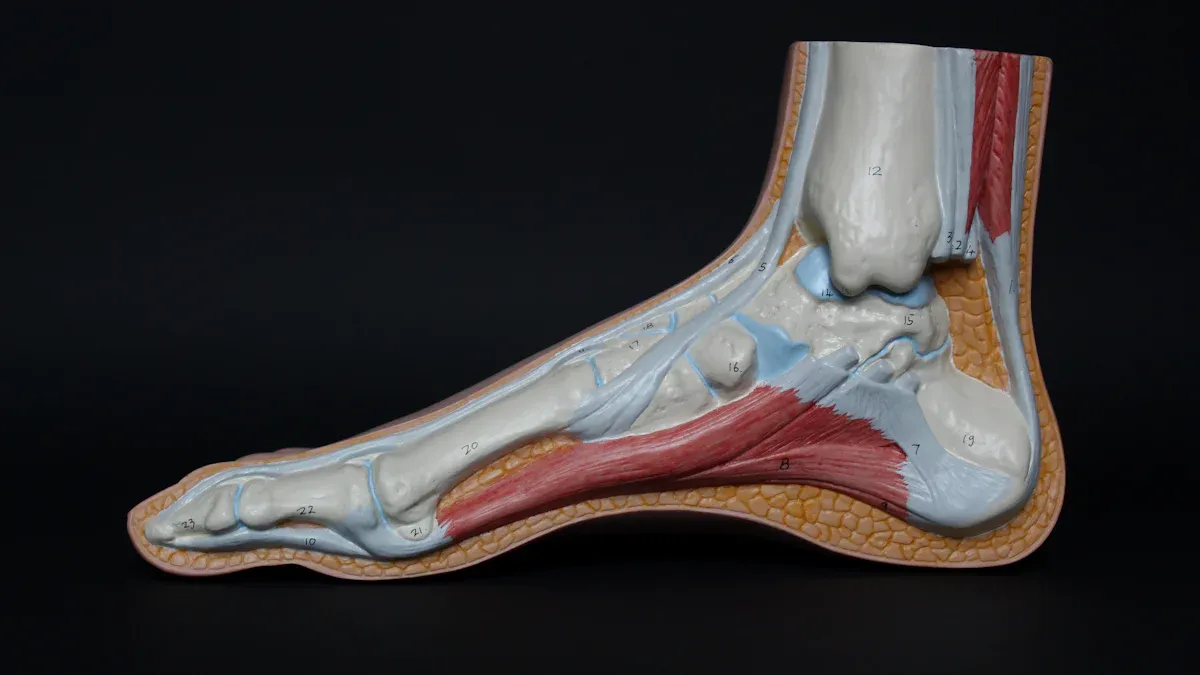
Image Source: unsplash
Compression socks help your legs by improving blood flow. When you wear these socks, they squeeze your ankles and get looser as they move up your leg. This design helps your veins push blood back to your heart. Your legs do not have to work as hard against gravity. You may notice less swelling in your feet and ankles.
Compression socks apply gentle pressure to your legs. This helps blood move better and keeps it from pooling in your lower legs.
The socks support your veins. They help push blood upward, which can stop fluid from leaking into your tissues.
You may feel less heaviness and discomfort in your legs.
Better blood flow can help your body remove waste, including uric acid. Uric acid is the substance that builds up in your joints during a gout attack. When your blood moves well, your body can clear out uric acid more easily. This may help lower your risk of future gout flares.
Swelling and inflammation often come with gout. Compression socks can help reduce both. The gentle squeeze from the socks keeps fluid from building up in your tissues. Less fluid means less swelling and less pressure on your joints.
You may find that your feet feel less puffy and sore. The socks also help your body drain extra fluid through your lymphatic system. This process can calm down inflammation and make your joints feel better. Many people with gout notice that their pain goes down when they use compression socks.
Tip: If you want to manage swelling and inflammation, try wearing compression socks during the day. Take them off at night to let your skin breathe.
Your feet and ankles need support, especially when you have gout. Compression socks give your joints a gentle hug. This support can make it easier for you to walk and stand. The socks help keep your joints steady and reduce the risk of injury.
Compression socks can prevent painful fluid buildup in your feet and ankles.
They give your muscles and joints extra stability.
You may feel more confident moving around, even if you have mild discomfort.
If you add compression socks to your daily routine, you may notice less swelling, better comfort, and more support for your feet. These benefits can help you stay active and manage your gout symptoms.
You might ask how compression socks help with symptoms of gout. Many people wear these socks to feel better and do daily things. The benefits are more than just comfort. Compression socks can help with swelling and pain. They may also stop other health problems from starting. Here is a table that shows the most common benefits people notice:
Benefit | Description |
|---|---|
Improved Blood Circulation | Compression socks help blood move in your lower legs. This can lower swelling and inflammation. |
Reduced Swelling and Pain | The gentle squeeze from the socks helps swollen legs and ankles feel better. |
Prevention of Serious Conditions | Good blood flow can stop problems like varicose veins and deep vein thrombosis. This lets you focus on managing gout. |
You might feel your feet are lighter and less sore. Better blood flow helps your body get rid of waste. This can help with gout relief. Many people say these socks make walking and standing easier. Compression socks also give your joints extra support. This can help with pain relief.
Compression socks have many good points, but there are some risks. Not everyone with gout will have the same results. Some people may have problems if they use the socks at the wrong time or have other health issues. The table below lists some risks and things to watch out for:
Risk/Adverse Effect | Description |
|---|---|
Worsening Pain | During a flare-up, the socks can make pain worse in sore joints. |
Skin Damage or Infection | Do not use compression socks if your skin is thin, broken, or infected. |
Peripheral Neuropathy (Nerve Damage) | If you cannot feel well, you might not notice if the socks are too tight. |
Peripheral Artery Disease (PAD) | Compression can make blood flow worse if you already have poor circulation. |
Severe Edema from Heart Failure | Compression can make swelling worse if you have heart failure. |
Note: If you feel more pain, see changes in your skin, or feel numb, take off the socks and talk to your doctor. Always check your skin for redness or sores before you put on compression socks.
You should always talk to a doctor before trying new treatments for gout. Some people need extra care. You should ask a doctor if you:
Have very bad or often gout attacks.
See open sores, infections, or thin skin on your legs.
Have nerve problems or cannot feel your feet well.
Have heart problems or poor blood flow in your legs.
Feel more pain or swelling after using compression socks.
A doctor can help you know if compression socks are safe for you. They can also tell you how to use them for the best results. This way, you can get the benefits and avoid risks as you manage your gout.
When you want the best compression socks for gout relief, you need to focus on comfort, support, and safety. Not all socks are the same. Some features make a big difference for your feet and joints.
You should choose socks that fit your feet and legs well. A good fit means the socks are snug but not too tight. If socks are too loose, they will not help. If they are too tight, they can cause pain or even harm your skin. Look for these qualities:
Non-binding design that prevents squeezing during flare-ups.
Seamless construction to avoid rubbing and blisters.
Gentle fit that gives comfort without extra pressure.
You can measure your ankle and calf to find the right size. Many brands offer size charts to help you pick the best compression socks for gout relief.
The best compression socks for gout relief use soft, breathable materials. You want socks that keep your feet dry and cool. This helps prevent skin problems and keeps you comfortable all day. Some top materials include:
Recycled nylon, which helps the environment and feels smooth.
Organic cotton, which is soft and grown without harmful chemicals.
Wool, which keeps your feet warm in winter and cool in summer.
You can also find socks with moisture-wicking fibers. These pull sweat away from your skin and help prevent odor.
The right compression level is important for gout relief. Too much pressure can hurt, but too little will not help. Most experts recommend moderate compression for daily use. You can check the table below for guidance:
Compression Level | Description |
|---|---|
15-20 mmHg | Moderate compression recommended for general use. |
20-30 mmHg | Higher compression for improved circulation and reduced discomfort. |
You should start with 15-20 mmHg if you are new to compression socks for gout. If you need more support, you can try 20-30 mmHg.
You want the best compression socks for gout relief. MINGJUN Hosiery stands out for quality, comfort, and care for the planet. The company uses advanced knitting machines for a perfect fit. You get socks made from recycled nylon, organic cotton, and even biodegradable packaging. These choices help protect the earth.
MINGJUN Hosiery holds certifications like GRS, OEKO-TEX®, and SMETA. These show a strong commitment to safety and ethical production. You can also customize your socks for your needs. The company offers flexible order sizes, so you can buy for yourself or your whole team.
When you choose MINGJUN Hosiery, you get socks that support your feet and the environment. You can trust their products for daily comfort and long-term relief.
You want the best results from wearing compression socks. Start by putting them on at the first sign of swelling or discomfort. Do not wait for a gout flare to get worse. You can wear them during the day, especially if you stand or sit for many hours. Some people find relief by wearing compression socks overnight, but you should ask your doctor before trying this.
Here are some simple tips for safe use:
Begin by wearing compression socks for a few hours each day. This helps your legs get used to the gentle pressure.
Gradually increase the time you wear them as you feel comfortable.
You can wear them for up to 24 hours, including during sleep or exercise, if your doctor says it is safe.
Always check your skin for redness or sores before and after use.
Tip: Put on your socks in the morning when swelling is lowest. This makes them easier to wear and more effective.
Wearing compression socks works best when you use them with other gout treatments. You can take your medicine as your doctor prescribes. Drink plenty of water to help your body flush out uric acid. Rest your feet when you feel pain. You may also use ice packs to reduce swelling.
You can talk to your healthcare provider about your full treatment plan. They can help you decide when to use compression socks and how to combine them with other therapies. This approach helps you manage symptoms and prevent future flare-ups.
You want to stay comfortable while wearing compression socks. Choose socks made from soft, breathable materials. This keeps your feet cool and dry. Make sure your socks fit well. They should not be too tight or too loose.
Check your skin every day. Look for redness, blisters, or any changes. If you see any problems, take off the socks and let your skin rest. Wash your socks after each use to keep them clean and fresh.
Note: If you have sensitive skin, try socks with seamless designs. These reduce rubbing and lower the risk of irritation.
Taking care of your feet and skin helps you get the most benefit from wearing compression socks. You can feel more comfortable and support your gout relief routine.
You can build a simple routine to help manage your symptoms. Start by choosing a time each day to put on your compression socks. Many people find mornings work best because swelling is usually lowest. Make sure your socks are clean and dry before you wear them. Drink water throughout the day to help your body flush out extra uric acid. Rest your feet when you feel tired or sore. You can also use ice packs for a few minutes if your joints feel warm. Try to keep your feet raised when you sit. This helps reduce swelling and gives your joints a break.
Tip: Keep a pair of socks ready in your bag if you travel or spend long hours away from home.
You should watch your symptoms closely while using compression socks. This helps you know if your routine is working. Here are some easy ways to keep track:
Wear a fresh, clean pair of socks every day to keep your feet healthy.
Drink plenty of water to help your body remove acid buildups.
Check your feet and ankles for swelling, redness, or pain each evening.
Notice if your joints feel less stiff or sore after wearing the socks.
Try Far Infrared Socks if you want to help break down uric acid crystals in your toe joints.
Write down any changes in a notebook or on your phone.
Compression socks promote blood flow and limit fluid buildup in your lower legs. This can help reduce swelling and make your feet feel lighter. If you see improvement, keep following your routine. If you notice new problems, take a break and check your skin.
You should contact your doctor if you notice any warning signs. Some symptoms mean you need help right away. Watch for these signs:
Symptom | What to Do |
|---|---|
Skin turns blue or pale | Remove socks and call your doctor |
Severe pain or burning | Stop using socks and get help |
Open sores or blisters | See a healthcare provider |
Swelling gets worse | Ask your doctor for advice |
If you have other health problems, like diabetes or poor blood flow, talk to your doctor before starting compression therapy. Your doctor can help you decide if compression socks are safe for your gout care plan.
Note: Always listen to your body. If something feels wrong, stop and get medical advice.
You may wonder how real people feel about using compression socks for gout. Many people share their experiences with these socks. Here are a few stories that show how compression socks can make a difference:
Maria, age 52:
Maria works in an office and spends long hours at her desk. She started using compression socks after her doctor suggested them for her swollen feet. Maria says, “I noticed my feet felt less puffy by the end of the day. I could walk to my car without pain. The socks made my shoes fit better, too.”
James, age 60:
James enjoys gardening. Gout attacks made it hard for him to stand for long periods. He tried compression socks during his recovery. James explains, “The socks gave my ankles support. I felt more stable when I moved around. My swelling went down faster, and I could get back to my plants sooner.”
Lily, age 45:
Lily travels often for work. She says, “Flights used to make my feet ache. Compression socks helped keep my swelling under control. I felt more comfortable during meetings and could focus on my job.”
You can see that people from different walks of life find relief with compression socks. They notice less swelling, more comfort, and better movement. These stories show that you can add compression socks to your routine and see real benefits.
Tip: Keep a journal of your symptoms and how you feel after wearing compression socks. This can help you track your progress and share results with your doctor.
Doctors and nurses often recommend compression socks for people with gout. They explain that these socks help reduce swelling and improve blood flow. You can use compression socks as part of a bigger plan to manage your symptoms. Healthcare professionals suggest that you combine socks with your medicine, healthy eating, and regular exercise.
You should remember that compression socks do not replace your gout medication. They work best when you use them with other treatments. Your doctor may tell you to wear them during the day and take them off at night. This helps your skin stay healthy and gives your joints time to rest.
Healthcare professionals also remind you to check your skin often. If you see redness, blisters, or feel more pain, you should stop using the socks and talk to your doctor. You can ask your healthcare team for advice on the right size and compression level. This ensures you get the most benefit and stay safe.
Note: Always follow your doctor’s advice when adding new tools to your gout care plan. Compression socks can support your journey to better foot health.
You can wear compression socks for gout to help with swelling and pain. These socks help your blood move better and might make you feel less sore. Make sure to use compression socks the right way and check your skin for any changes. MINGJUN Hosiery has good choices if you want to try these socks in your daily routine. Always ask your doctor before you start any new treatment for gout.
You should avoid compression socks during a severe gout flare. Your joints may feel hot, red, and very tender. Wait until the pain and swelling go down before using them again.
Most people start with a few hours a day. You can increase the time as you feel comfortable. Always check your skin for redness or irritation.
No, compression socks do not replace your medicine. You should use them as a support tool. Always follow your doctor’s advice for your main treatment.
You can start with 15-20 mmHg for mild support. If you need more help, try 20-30 mmHg. Ask your doctor for the best level for your needs.
Some people wear compression socks overnight. You should ask your doctor before doing this. Your skin needs time to breathe.
Compression socks are not safe for everyone. If you have nerve problems, poor blood flow, or skin issues, talk to your doctor first.
Wash your socks after each use. Use mild soap and cool water. Let them air dry to keep their shape and strength.
You can find high-quality compression socks from MINGJUN Hosiery. Visit MINGJUN Hosiery’s website for more options and details.