Foshan Mingjun Textile Company Ltd.

Views: 0 Author: Site Editor Publish Time: 2026-04-08 Origin: Site
You should know how Stump Sock vs Shrinker Sock are different. Stump socks make your limb feel softer and help your prosthesis fit well, while shrinker socks help stop swelling and assist in healing after surgery. Understanding these differences is crucial for your recovery. The right socks can help you walk comfortably and protect your skin. Look at the table below to see how each sock contributes to your rehabilitation:
Type of Sock | Purpose | Impact on Rehabilitation Outcomes |
|---|---|---|
Stump Socks | Protective interface for prosthesis | Improves comfort and fit, enhances user experience |
Shrinker Socks | Manages swelling with gentle pressure | Supports circulation and healing, key for successful recovery |
Choosing between Stump Sock and Shrinker Sock is important for your comfort and healing.
Stump socks give padding and protect your limb when you use a prosthetic. They help make your limb feel better and fit well.
Shrinker socks help stop swelling and shape your limb after surgery. They get your limb ready for a prosthetic.
Pick the right thickness of stump socks for your limb size and comfort. Thicker socks give more padding.
Wear stump socks every day with your prosthetic to keep your skin healthy and comfy. Change them often to stop skin problems.
Use shrinker socks after surgery during rehab to control swelling. This helps your limb stay the right size.
Check your socks often for holes or if they stretch out. Get new ones if you see damage or they do not fit right.
Ask your doctor or prosthetist for help picking socks. They can help if you have problems with fit or comfort.
MINGJUN Hosiery has custom stump socks. You can pick the material and thickness that works best for you.
Image Source: pexels
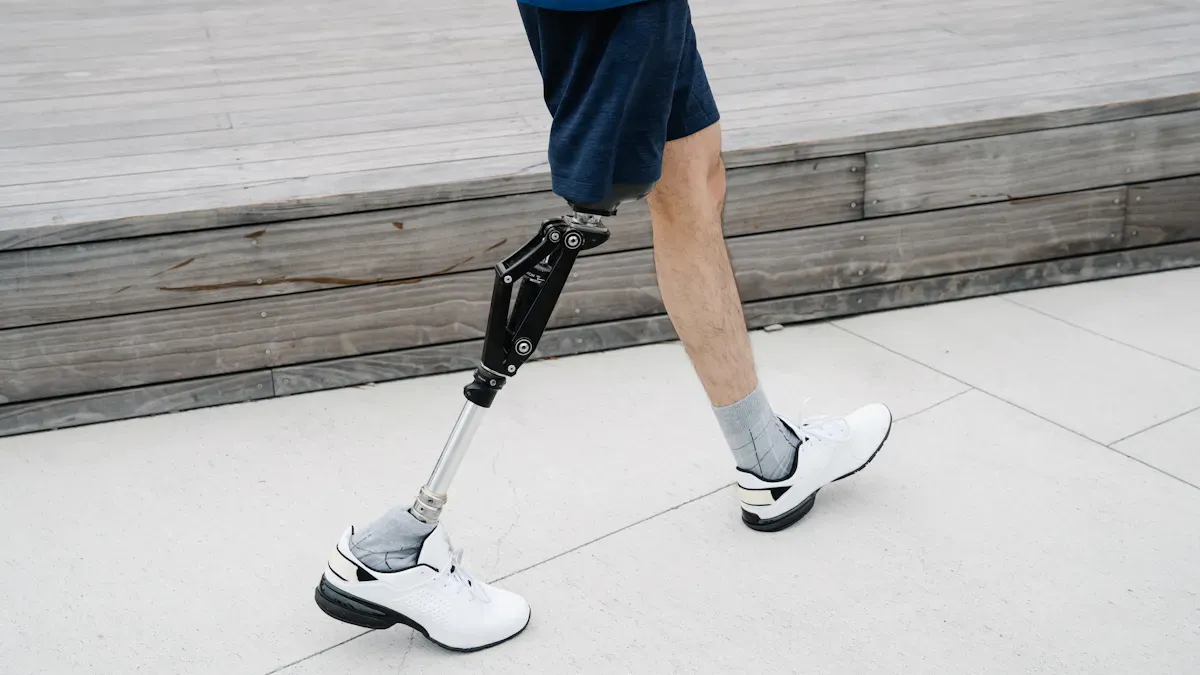
Stump socks are a soft layer between your skin and prosthetic limb. They fit tightly over your limb. These socks help stop rubbing and blisters when you wear your prosthetic. Stump socks come in different thicknesses called ply. You can pick 1, 3, or 5-ply socks. Each one gives a different amount of cushion. Some socks have mineral oil gel inside to help your skin stay healthy. In the last 15 years, stump socks have gotten much better. Now, you can get socks that pull sweat away and fight bad smells. This makes it easier to take care of your socks every day.
Stump socks do more than just cover your limb. They help you feel better and keep your skin safe. You use these socks to:
Stop your skin from rubbing and getting sore.
Help your prosthetic fit well all day.
Control sweat and cut down on bad smells.
Change the fit if your limb gets bigger or smaller.
Stump socks help you in many ways. Here is a table that shows what studies say about using these socks:
Evidence Type | Findings |
|---|---|
Volume Stabilization | Faster stabilization compared to alternatives |
Prosthetic Fitting | Earlier fitting possible with consistent use of stump socks |
Patient Satisfaction | Higher comfort and satisfaction reported by patients |
Limb Shape | Better long-term residual limb shape observed by healthcare providers |
Pain Relief | Compression reduces nerve irritation and soft tissue movement |
Edema Reduction | Decreased edema reduces pressure on sensitive structures |
Phantom Limb Sensations | Gentle pressure may alleviate phantom limb sensations for some patients |
You can see that stump socks help you heal and live better. Taking care of your socks helps you use your prosthetic the best way.
You want stump socks that feel nice and last a long time. The material of your socks is very important. Here are some common materials and why they are good:
Material | Benefits |
|---|---|
Wool | Great cushion, pulls sweat away, but can feel hot or itchy. |
Cotton | Soft and comfy, but may hold sweat. |
Synthetic blends | Strong, stretchy, and keep their shape. |
Advanced textiles | Silver helps stop smells, made to manage sweat. |
Cotton-blend socks are good if your skin is sensitive. They let your skin breathe and soak up sweat.
Wool-blend socks help you stay cool and dry if you move a lot.
Synthetic socks last longer and give steady pressure. They keep their shape after many washes.
Pick stump socks that fit how active you are and what your skin needs. Good sock care means choosing the right socks for your day. When you use the right materials, your limb stays healthy and your prosthetic feels better.
It is important to know when to use stump socks. Stump socks are a big part of your daily life as an amputee. You wear stump socks after your limb heals enough for a prosthetic. These socks protect your skin and help your prosthesis fit better. You should wear stump socks every day with your prosthetic limb.
Stump socks help control swelling and keep your limb healthy. Before you use your prosthesis, you can use shrinker socks or bandages to lower swelling. When your limb is ready, stump socks become part of your daily routine. Change your socks every day to stop sweat and germs from building up. This keeps your skin safe and helps prevent infection.
Here are some tips for using stump socks:
Always wear stump socks with your prosthetic limb.
Change your socks every day to keep your skin clean.
Use different thicknesses of socks if your limb changes shape.
Start with shrinker socks or bandages to lower swelling before using stump socks.
Check your socks often for holes or damage.
Stump socks help shape your limb and improve blood flow. This can lower pain and help you heal faster. Some stump socks have mineral oil gel for extra skin care. You might need more than one sock if your limb gets bigger or smaller during the day. Good sock care helps you feel comfortable and keeps your prosthesis fitting right.
When you use stump socks depends on how you are healing. Right after surgery, you start with shrinker socks or bandages. When your limb is stable, you switch to stump socks for daily use. Taking care of your socks helps you get the most out of them.
Recovery Stage | Recommended Sock Type | Purpose |
|---|---|---|
Post-surgery | Shrinker socks/bandages | Reduce swelling, shape limb |
Prosthetic fitting | Stump socks | Cushion, protect skin, adjust fit |
Daily prosthetic use | Stump socks | Comfort, hygiene, sock management |
Stump socks help your limb at every step. Good sock care keeps your skin healthy and your prosthesis fitting well.
You want stump socks that feel good, last long, and are good for the planet. MINGJUN Hosiery makes stump socks for your needs. They use special knitting machines to make socks that fit well and last longer. You can pick socks made from cotton, wool, or synthetic blends. These socks give you cushion and help with sweat.
MINGJUN Hosiery cares about the environment. The socks use recycled and organic materials. The packaging breaks down naturally, so you help the earth when you buy them. You can order custom socks for your limb shape and how active you are. The company checks every sock to make sure it is good before sending it to you.
Here are some features of MINGJUN Hosiery’s stump socks:
Soft materials for people with sensitive skin
Many thickness choices for the best fit
Special fabric to keep your limb dry
Odor control to keep socks fresh all day
Earth-friendly ways to make and pack socks
You get stump socks that help you heal and live your life. MINGJUN Hosiery makes it easy to order and get your socks fast. You can trust their skill and care for quality. If you need special socks, MINGJUN Hosiery can make them for you. You stay comfortable and sure of yourself with stump socks from a company you trust.
Tip: Look at your stump socks often for signs of damage. Get new socks if they lose their shape or do not feel good. Taking care of your socks keeps your limb healthy and your prosthesis fitting right.
You use shrinker socks after an amputation to help your limb heal. Shrinkers for amputees look like tight, stretchy socks that fit over your limb. You wear shrinkers when you are not using your prosthetic. These socks play a big part in post-amputation care. Shrinkers help your limb get ready for a prosthetic by shaping it and keeping swelling down. You will notice that shrinkers feel snug. This gentle pressure helps your limb heal the right way.
Shrinkers do more than just cover your limb. Here is what shrinkers do for you:
Reduce swelling after surgery
Shape your limb for a better prosthetic fit
Improve blood flow to help healing
Prevent skin problems and irritation
Make you more comfortable when you start using a prosthetic
Help manage the size of your limb each day
Prepare your limb for prosthetic fitting
Support sock management by keeping your limb the right size
You will use shrinkers as a key part of your recovery. They help you get the best results when you start using a prosthetic.
Shrinkers have many important jobs. You wear shrinkers to control swelling and help your limb heal. Shrinkers give gentle pressure that shapes your limb. This process is called residual limb shaping. When you use shrinkers, you help your limb get ready for a prosthetic. Shrinkers also protect your skin from rubbing and breakdown.
Here are the main functions of shrinkers:
Manage swelling and keep your limb size steady
Shape your limb for a better prosthetic fit
Improve blood flow and speed up healing
Prevent skin irritation and breakdown
Make sock management easier by keeping your limb the right size
Shrinkers help you feel more comfortable and confident as you move toward using a prosthetic. You will find that shrinkers make a big difference in your recovery.
Shrinkers use special materials to give the right amount of pressure. Most shrinkers use synthetic fibers. These materials help shrinkers last longer and keep their shape. You will find that shrinkers often use nylon, spandex, or polyester. These fibers help wick away sweat and keep your skin dry.
Here is a table showing common materials in shrinker socks:
Material | Composition |
|---|---|
Compression Sock | 75% nylon, 25% spandex |
Compression Tights | 80% polyester, 20% spandex |
High Spandex Content | 15-30% or more |
Synthetic materials in shrinkers help you in many ways. They keep your limb dry, hold their shape, and give steady pressure. Shrinkers also support your muscles and help you recover faster.
Shrinkers come in different compression levels. The pressure is measured in mmHg. Here is a table to help you understand the levels:
Compression Level | mmHg Range |
|---|---|
Mild | 8-15 mmHg |
Moderate | 15-20 mmHg |
Firm | 20-30 mmHg |
Extra Firm | 30-40 mmHg |
You should choose the right compression level for your needs. Your doctor or prosthetist will help you pick the best shrinkers for your limb. Using the right shrinkers helps you heal, keeps your limb healthy, and makes sock management easier as you get ready for your prosthetic.
You need to know when and how to use shrinkers for the best results. Shrinkers play a big role in your recovery after amputation. You do not use these socks right after surgery. You wait until your incision heals and your doctor removes the stitches. This step keeps your skin safe and helps you avoid problems.
You start using shrinkers during the rehabilitation phase. This phase comes after your wound closes. Shrinkers help reduce swelling and shape your limb. You wear these socks every day for several weeks. They prepare your limb for a prosthetic fitting. Shrinkers keep your limb size steady, which makes sock management easier later.
Here is when you should use shrinkers:
After your incision heals and sutures are removed
During the rehabilitation phase before you get your prosthetic
Every day for several weeks until your limb is ready for casting and socket fitting
You should wear shrinkers as much as your doctor tells you. Most people wear these socks all day and only take them off to wash or check their skin. Shrinkers help control swelling and keep your limb in the right shape. This makes it easier to fit your prosthetic and manage your socks later.
You need to check your skin every day. If you see redness, blisters, or pain, tell your doctor. Good sock management means using shrinkers at the right time and caring for your skin.
Picking the right shrinkers is important for your comfort and healing. Not all socks are the same. You want shrinkers that fit well and give the right pressure. Good shrinkers help with sock management and keep your limb healthy.
Here is a table to help you choose quality shrinkers:
Criteria | Description |
|---|---|
Fit | Shrinkers should fit snugly to apply appropriate pressure to the stump. |
Pressure Distribution | Pressure must be greatest at the end of the stump and gradually lessen towards the thigh. |
Material Considerations | The material should allow for even pressure and should not cause skin breakdown over bony areas. |
Length | Shrinkers should extend past the knee to minimize edema at the knee. |
You should look for shrinkers made from soft, stretchy materials. These socks should not cause itching or hurt your skin. The best shrinkers give even pressure and do not slip down. You want socks that are easy to put on and take off. Make sure your shrinkers cover your limb well and do not bunch up.
Ask your doctor or prosthetist for advice. They can help you pick the right shrinkers for your limb size and shape. Good shrinkers make sock management simple and help you heal faster. You will feel more comfortable and ready for your prosthetic when you use the right socks.
Tip: Wash your shrinkers often and check for holes or stretched-out spots. Replace your socks if they lose their shape or do not fit well. Clean, well-fitting shrinkers protect your skin and help you heal.
When you look at stump sock vs shrinker sock, you see that each has a unique job. Stump socks focus on comfort and protection. You wear these socks to cushion your limb and reduce irritation when you use a prosthetic. Shrinkers, on the other hand, help control swelling and shape your limb after surgery. They use firm, steady pressure to help your limb shrink to the right size for a prosthetic.
Here is a quick comparison to help you understand the key differences between stump socks and shrinkers:
Feature | Stump Socks | Shrinkers |
|---|---|---|
Main Purpose | Cushion and protect limb under prosthetic | Reduce swelling and shape limb after surgery |
Use | Worn with prosthetic | Worn without prosthetic |
Material Focus | Soft, comfortable, various thicknesses | Elastic, firm, provides compression |
You use stump socks to make your prosthetic feel better and to keep your skin safe. Shrinkers help you heal and get your limb ready for a prosthetic. Both socks play a big part in your recovery, but they do it in different ways.
Shrinker socks apply pressure to control swelling and shape your limb.
Stump socks cushion your limb and help prevent skin problems.
Shrinker socks are not for use inside a prosthetic socket.
Stump socks are made for use under prosthetics.
You need to know these key differences between stump socks and shrinkers so you can use the right sock at the right time.
The timing for using stump socks and shrinkers is very important. You start with shrinkers soon after your surgery, but only after your incision heals and your doctor removes your stitches. Shrinkers help reduce swelling and shape your limb during the early stages of recovery. You wear shrinkers every day until your limb is ready for a prosthetic fitting.
Once your limb is stable and your doctor says you can use a prosthetic, you switch to stump socks. You wear stump socks every day with your prosthetic. These socks help your prosthetic fit better and keep your skin healthy.
Here is a simple timeline to show when you use each sock:
After surgery: Use shrinkers to control swelling and shape your limb.
When your limb is ready for a prosthetic: Use stump socks for comfort and protection.
You should always follow your doctor’s advice about when to switch from shrinkers to stump socks. Using the right sock at the right time helps you heal faster and makes your prosthetic more comfortable.
The construction and fit of stump socks and shrinkers are not the same. Stump socks come in different thicknesses, called plies. You can choose the thickness that feels best for you. These socks use soft materials like cotton, wool, or special blends. They fit snugly over your limb and help your prosthetic feel comfortable.
Shrinkers use elastic materials like nylon and spandex. These materials give shrinkers their firm, stretchy feel. Shrinkers provide graduated compression, which means they are tighter at the end of your limb and looser as they go up. This helps move fluid away from your limb and reduces swelling.
You put on stump socks like regular socks, making sure there are no wrinkles. This helps prevent skin problems. Shrinkers need a special technique to put on. You roll or pull them up carefully to make sure the pressure is even.
Here is a table to help you see the construction and fit differences:
Feature | Stump Socks | Shrinkers |
|---|---|---|
Thickness/Plies | Multiple options for custom fit | Usually one thickness, focused on pressure |
Material | Cotton, wool, synthetic blends | Nylon, spandex, elastic fibers |
Fit | Snug, soft, comfortable | Firm, stretchy, provides compression |
Application | Worn like regular socks | Rolled or pulled on with care |
You need to check both types of socks often. Replace them if they lose their shape or do not fit well. Good fit helps you stay comfortable and keeps your limb healthy.
Tip: Always make sure your socks fit well. Poorly fitting socks can cause skin problems or make your prosthetic uncomfortable. If you notice changes in your limb or your socks, talk to your doctor or prosthetist.
You want your limb to feel comfortable every day. Stump socks and shrinker socks both help with comfort, but they do it in different ways. Stump socks use soft materials. They cushion your limb and protect your skin from rubbing against your prosthetic. You can choose different thicknesses to match your needs. This helps you avoid blisters and sore spots.
Shrinkers use stretchy, snug materials. They give gentle pressure to your limb. This pressure helps control swelling, but it can feel tight at first. You may need time to get used to the feeling. Shrinkers help shape your limb and keep your skin smooth. They also help prevent fluid from building up under your skin.
Skin health matters a lot. Both types of socks help keep your skin safe, but you must check your skin every day. Look for redness, blisters, or dry patches. Change your socks if they get wet or dirty. Clean socks help stop germs and keep your skin healthy.
Here is a table to show how each sock supports comfort and skin health:
Feature | Stump Socks | Shrinker Socks |
|---|---|---|
Material Feel | Soft, cushioned, breathable | Snug, stretchy, firm |
Skin Protection | Reduces friction, prevents blisters | Controls swelling, prevents fluid build-up |
Odor Control | Some have odor-fighting fabrics | Most wick away sweat |
Skin Care Additives | Some have mineral oil gel for moisture | Usually do not have added skin care |
Comfort Level | High for daily prosthetic use | High for healing, may feel tight at first |
Tip: Always check your skin after removing your socks. If you see any problems, talk to your doctor or prosthetist right away. Healthy skin helps you stay active and comfortable.
You need to think about a few things before picking prosthetic socks. Everyone has different needs, so you should look at your daily life, your skin, and how active you are. Stump socks and shrinker socks do not do the same thing. Stump socks make your limb feel softer and help your prosthetic fit better. Shrinker socks help stop swelling and shape your limb after surgery. You need to pick socks that match where you are in your healing.
Here is a table to help you compare important things:
Factor | Description |
|---|---|
Purpose and Timing | Stump socks give cushion and help with fit, while shrinkers control swelling and shape limbs. |
Material Considerations | You can pick cotton, synthetic, wool, or silver fabrics. Each one has good and bad points. |
Compression Level | Goes from mild to very strong. The right level depends on what you need. |
Proper Sizing | You must measure your limb right for the socks to work well. |
Features and Design | Look for grippers, strong spots, and seams that make socks comfy and fit better. |
You have to measure your limb to get the right size sock. The sock material changes how comfy it feels and if your skin stays healthy. Some socks use silver to fight bad smells. Others use cotton or wool to feel soft. If you need shrinker socks, the tightness matters a lot. Things like grippers and strong seams help socks stay up and stop rubbing.
You should always talk to your doctor or prosthetist before you buy prosthetic socks. Experts can help you find socks that fit your limb and work for you. They look at your skin, your limb shape, and how much you move. They tell you which materials and features are best for sweat, skin problems, and smell.
Tip: Listen to your healthcare team. They know which prosthetic socks are best for you. Their advice helps you avoid problems and keeps your skin safe.
Doctors and prosthetists focus on a few things:
Materials: Prosthetic socks can be made from wool, cotton, Lycra, or nylon. Each one has its own good points.
Moisture management: Some socks pull sweat away to keep your limb dry and stop skin problems.
Odor management: Some socks use special stuff like X-Static to stop bad smells and keep socks fresh.
You need to follow your doctor’s rules about how tight and thick your socks should be. This helps your prosthetic fit well and keeps your limb comfy.
You want prosthetic socks that fit your limb just right and match how active you are. MINGJUN Hosiery makes custom stump socks and prosthetic socks for amputees. You can pick cotton, wool, or special synthetic blends. The company uses special machines to make socks that fit your limb and feel good for a long time.
MINGJUN Hosiery lets you choose things like strong seams, sweat-wicking fabric, and odor control. You can order socks in different thicknesses and tightness. The company uses recycled and organic materials, so you help the planet when you buy them.
If you need special socks for sports or every day, MINGJUN Hosiery can make them for you. You get your socks fast and they check each one for quality. Custom socks help you stay active and feel good every day.
Note: Custom prosthetic socks from MINGJUN Hosiery give you the best fit and support. You can trust their skill and care for quality.
You need to know the right time to move from shrinker socks to stump socks. This step is important for your healing and comfort. Shrinker socks help your limb heal after surgery. They control swelling and shape your limb. You wear shrinkers until your doctor says your limb is ready for a prosthetic fitting.
Most people switch to stump socks when:
The incision has healed and there are no open wounds.
Swelling has gone down and your limb size stays steady for several days.
Your doctor or prosthetist tells you it is time for a prosthetic fitting.
You start using a test socket or your first prosthetic limb.
Tip: Always ask your healthcare team before making the switch. They will check your limb and make sure you are ready.
Here is a simple table to help you remember:
Stage | Sock Type | Main Goal |
|---|---|---|
Right after surgery | Shrinker socks | Reduce swelling, shape limb |
Limb stable, healed | Cushion, protect, adjust fit |
Switching from shrinker socks to stump socks can feel like a big change. You want this step to go smoothly. Here are some tips to help you:
Follow your doctor’s advice: Your doctor knows your healing progress. Always check with them before changing socks.
Start slow: Wear your stump sock for short periods at first. Let your skin get used to the new material and fit.
Check your skin every day: Look for redness, blisters, or sore spots. Healthy skin means a better fit and less pain.
Use the right thickness: Your limb may change size during the day. Try different ply stump socks to keep your prosthetic fitting well.
Keep socks clean: Wash your stump socks daily. Clean socks protect your skin and stop germs.
Ask for help if needed: If you feel pain or notice swelling, talk to your doctor or prosthetist right away.
Note: A smooth transition helps you feel more comfortable and confident with your prosthetic limb.
You can also keep a small notebook. Write down how your limb feels each day. This helps you and your healthcare team track your progress.
Listen to your body.
Take your time.
Celebrate each step forward.
You will soon feel more comfortable and ready for daily life with your prosthetic limb.
Image Source: unsplash
Keeping your socks clean helps protect your skin and makes your prosthetic more comfortable. You should wash your socks every day. Use warm water and mild soap. Rinse them well to remove any soap left behind. Let your socks dry completely before you wear them again. Damp socks can cause skin irritation or odor.
Here are some simple steps for cleaning:
Change your socks daily to absorb sweat and reduce skin problems.
Wash your socks by hand or in a gentle machine cycle.
Use mild soap and avoid harsh chemicals.
Dry your socks in a cool, airy place. Do not use high heat.
Keep your skin dry and clean before putting on your socks.
If you sweat a lot, try antiperspirant lotions made for prosthetic use.
You should also wipe your prosthetic socket with a damp cloth and mild soap. Rinse with a clean cloth and let it dry. If your prosthesis has a liner, wash it after each use and make sure it is dry before wearing.
Tip: Wear clean, dry socks made from moisture-wicking materials to reduce friction and keep your skin healthy.
Regular inspection of your socks helps you spot problems early. Look at your socks every time you wash them. Check for holes, thinning, or stretched areas. If your socks lose their shape, they may not protect your skin well.
You can use a checklist to make sure all parts of your prosthetic system are in good condition. This includes straps, buckles, and liners. If you notice any issues, talk to your prosthetist right away.
The table below shows how often to inspect and what signs mean you need new socks:
Inspection Frequency | Signs for Replacement |
|---|---|
Every 3 to 6 months | Visible thinning or stretching |
Loss of elasticity | |
Moisture buildup or odor | |
Changes in socket fit |
Note: Adjust sock layers if your limb changes size. This helps keep a good fit and prevents skin problems.
You should replace your socks when you see signs of wear. Old socks can cause rubbing, blisters, or a poor fit. If your socks feel loose or you notice a bad smell even after washing, it is time for a new pair. Always have extra socks ready so you can change them as needed.
Follow these tips for replacement:
Replace socks every 3 to 6 months, or sooner if you see damage.
Get new socks if you notice thinning, holes, or loss of stretch.
Keep a few spare socks on hand for busy days or travel.
Ask your prosthetist for advice if you are unsure about replacing your socks.
Taking care of your socks helps you stay comfortable and keeps your skin safe. Clean, well-fitting socks support your daily activities and help your prosthetic work better.
You should know when your prosthetic socks do not fit well. Poor fit can cause problems for your limb and your comfort. Watch for these signs that show you need help from a professional:
You need more than 15-20 ply of socks to get a good fit.
You feel pain even after you adjust your socks.
Your skin breaks down or stays irritated for days.
Your socket rotates or moves even when you change socks.
Your limb shape changes a lot in a short time.
You see redness, blisters, or sores that do not heal.
You feel pain at the end of your limb.
Your prosthesis moves up and down too much (pistoning).
You have trouble putting on your prosthesis.
You walk less or do not want to wear your prosthetic leg.
If you notice any of these signs, you should not wait. These problems can get worse if you ignore them. Your comfort and health depend on a good fit.
Tip: Check your limb and socks every day. Write down any changes or problems. This helps your doctor or prosthetist find the best solution for you.
Medical experts can help you fix problems with your prosthetic socks and limb comfort. Your prosthetist and healthcare team know how to solve these issues. They can make changes to your prosthesis or suggest new socks.
Here is how medical experts can help you:
Issue | Solution |
|---|---|
Prosthetic Discomfort or Pain | Schedule a follow-up with your prosthetist for adjustments to alleviate pressure points. |
Skin Irritation or Sores | Ensure proper hygiene and consult your prosthetist for socket design or liner problems. |
Changes in Residual Limb Volume | Consult your prosthetist for adjustments or the addition/removal of prosthetic socks. |
You should see your prosthetist for regular check-ups. These visits help you catch problems early. Your prosthetist can teach you how to use your socks the right way. They may suggest moisture-wicking liners to keep your skin dry and healthy.
Go to all your follow-up appointments.
Ask questions if you feel pain or see skin changes.
Learn how to manage sock layers for volume changes.
Note: You do not have to solve these problems alone. Your healthcare team wants to help you stay active and comfortable. Early help means better healing and a better fit for your prosthesis.
You now know how stump socks and shrinker socks help you at different stages. Shrinker socks control swelling and shape your limb. Stump socks protect your skin and improve comfort with your prosthesis. You should use each type of socks when your doctor tells you. Always ask a professional if you have questions. Choose high-quality socks from trusted brands like MINGJUN Hosiery. Good socks support your healing and help you stay active every day.
Stump socks cushion your limb and help your prosthesis fit better. Shrinker socks control swelling and shape your limb after surgery. You use each at different stages of recovery.
You start using stump socks after your incision heals and your doctor approves prosthetic fitting. Stump socks protect your skin and improve comfort with your prosthesis.
You should not wear shrinker socks with your prosthesis. Shrinker socks provide compression and are meant for use without a prosthetic limb.
You select sock thickness based on your limb size and comfort. Thicker socks provide more cushion. Your prosthetist can help you decide which ply works best for you.
You should wash your prosthetic socks every day. Clean socks help prevent skin irritation and keep your limb healthy.
Look for holes, thinning, loss of stretch, or bad odor. If your socks do not fit well or feel uncomfortable, you should replace them.
You can order custom prosthetic socks from brands like MINGJUN Hosiery. Custom socks fit your limb shape and activity level for better comfort.
You should ask your doctor or prosthetist for advice. They help you choose the right socks and ensure your limb stays healthy.