Foshan Mingjun Textile Company Ltd.

Views: 0 Author: Site Editor Publish Time: 2025-12-04 Origin: Site
You may notice sock marks on your legs after wearing socks all day. In most cases, sock marks are harmless. Sometimes, though, questions like "are sock marks a sign of heart disease" come to mind. If you see swelling, skin changes, or pain near the sock marks, you should pay attention. These symptoms can point to underlying health issues. The table below shows some signs that may need medical attention:
Symptoms Near Sock Marks | Possible Health Condition |
|---|---|
Swelling (Edema) | Chronic Venous Insufficiency |
Skin Changes | Lymphedema |
Pain or Heaviness | Heart, Kidney, or Liver Issues |
Blood Clots or Deep Vein Thrombosis |
If you notice these warning signs, it is important to talk to your doctor.
Sock marks are usually not dangerous. They happen when tight socks press on your skin. Watch for swelling, skin changes, or pain near sock marks. These signs may mean there is a health problem. Sock marks that stay for a long time could mean fluid retention or heart problems. Pick socks with loose cuffs and materials that let your skin breathe. This helps your blood flow better. Check your legs every day for changes in sock marks. Notice if you have any new symptoms. Ask a doctor for help if you see swelling, redness, or feel pain with sock marks. Exercise often and drink enough water to help with fluid retention. This can also make your legs healthier. Write down your symptoms and tell your doctor. This helps you take care of your health.
Image Source: unsplash
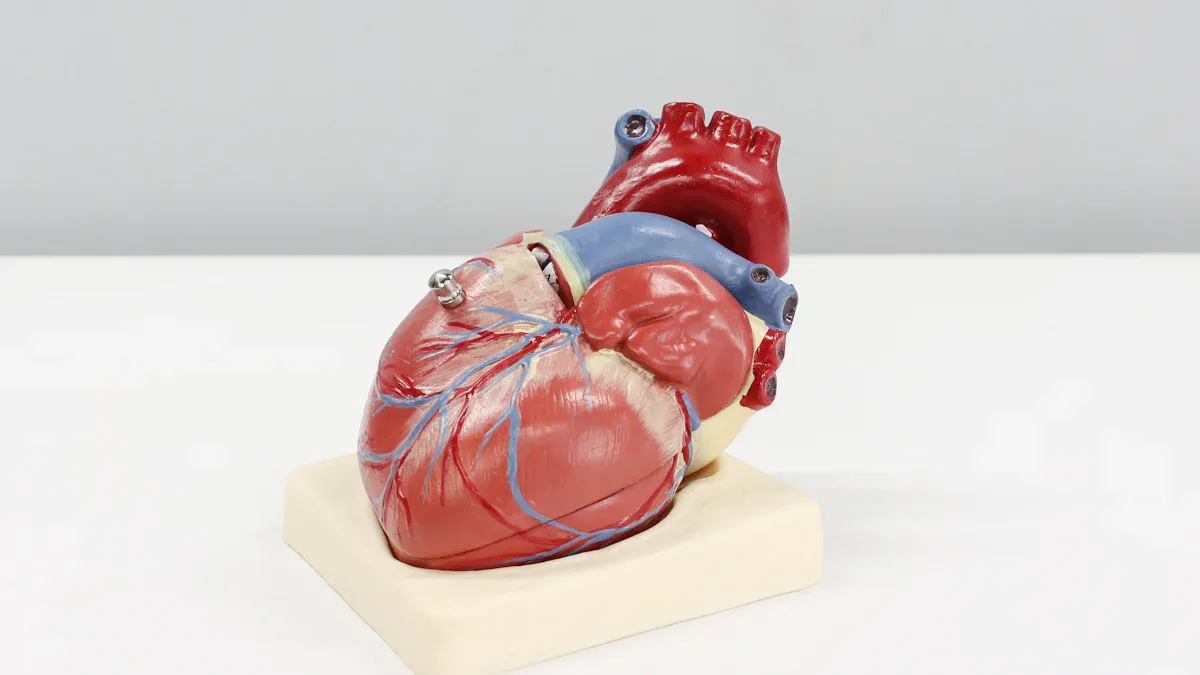
You may wonder, are sock marks a sign of heart disease? Most sock marks are harmless and appear because socks press against your skin. Sometimes, though, sock marks can be a warning sign of a heart problem or another underlying medical issue. You should learn how to tell the difference between normal sock marks and those that may need attention.
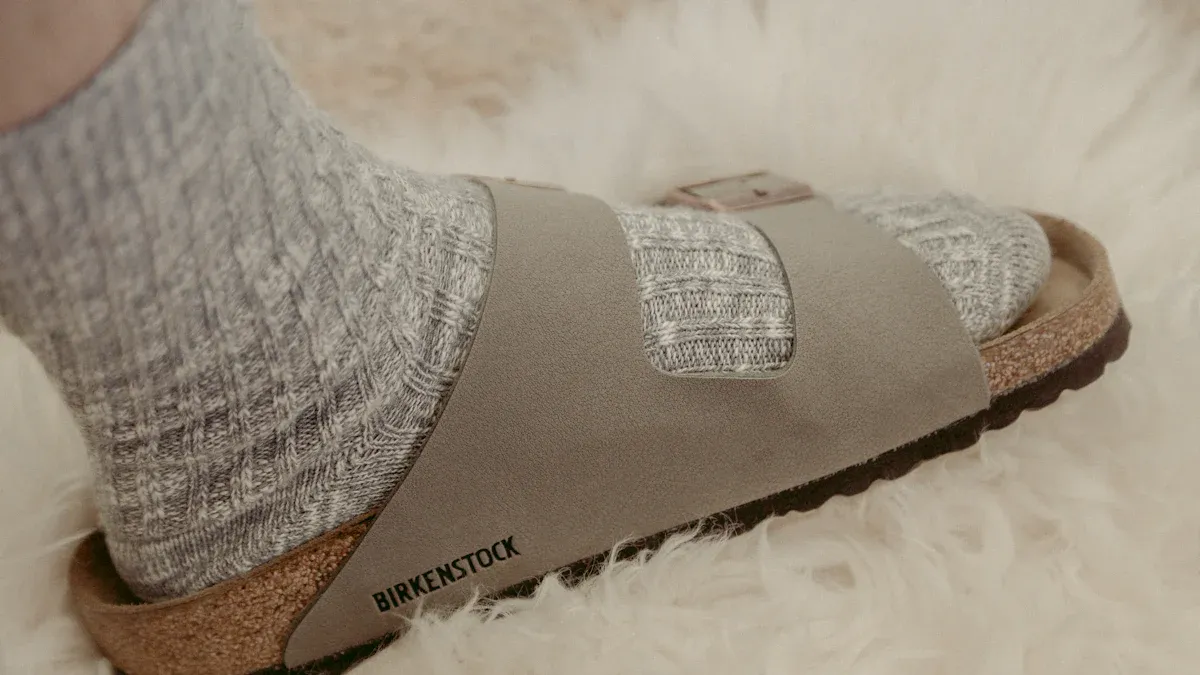
Sock marks often happen when tight socks press into your skin. The elastic bands in socks can leave lines or indentations. Dermatologists have studied these marks and found that they are usually benign. You may see raised skin or darker patches where the sock sits. These marks fade after you remove your socks. The table below shows what experts have found about sock marks caused by tight socks:
Study | Findings |
|---|---|
Dermatologists discover skin disorder caused by socks | Identified 'sock-line bands' caused by tight elastic bands, leading to hyperpigmentation and raised skin. Generally benign with no permanent scarring reported. |
Heel-line hyperpigmentation | Hyperpigmented patches on the heel after wearing heel-length socks, improving after discontinuation. Important to differentiate from other causes. |
Tight Socks Causes Lesions in Infants | Marks fade but raised lines remain; lesions are harmless. Emphasizes careful selection of socks for infants. |
Doctors like Dr. David Berk say sock line bands appear to have a benign course. Dr. Colin Holden notes that these bands are generally harmless, but researchers should keep studying them. You should choose socks that fit well and avoid tight socks if you notice marks that do not fade.
Sometimes, sock marks are a sign of fluid retention. When fluid builds up in your legs, socks can leave deeper impressions. Peripheral edema, or swelling in the lower legs, can happen for many reasons. You may see deep sock marks if you have heart problems, chronic venous insufficiency, or other health issues. Swelling can make sock marks more noticeable. Normal sock marks are faint, but deep marks may mean you have fluid retention. You should pay attention if you see swelling along with sock marks.
Peripheral edema can arise from conditions like congestive heart failure and chronic venous insufficiency.
Swelling in the lower legs can indicate vein health issues.
Deep sock marks suggest the presence of lower extremity edema.
You should watch for swelling and changes in skin color near sock marks. If you see redness, purple patches, or your skin feels warm, these could be a warning sign. Swelling that does not go away or gets worse may point to a heart problem. Deep sock marks with swelling can be a sign of fluid retention. You should not ignore these signs.
You should look for other symptoms that may come with sock marks. If you feel pain, heaviness, or notice rapid weight gain, these could be a warning sign of heart disease. Sometimes, sock marks appear with shortness of breath or chest pain. These symptoms mean you should talk to a doctor. Sock marks alone are usually not a sign of heart disease, but when you see them with other symptoms, they may point to a heart problem.
Tip: If you notice sock marks that do not fade, swelling, or other warning signs, keep track of your symptoms and talk to your doctor. Early attention can help you catch heart issues before they become serious.
You may ask, are sock marks a sign of heart disease? Most of the time, sock marks are harmless. You should pay attention if you see swelling, deep marks, or other warning signs. Sock marks can be a sign of heart problems when they come with other symptoms. You should know when to seek help and when sock marks are just a normal part of wearing socks.
Image Source: unsplash
You may notice sock marks when your legs swell. This swelling, called edema, happens when fluid builds up in your tissues. Edema often appears in your lower legs and ankles. One of the main causes of edema is heart problems. When your heart does not pump blood well, fluid can collect in your legs. This is common in people with congestive heart failure. Edema affects about 1–1.5% of adults in Europe and North America. If you have heart failure, you may also feel tired or short of breath. Edema can make it hard for you to walk or move. You may see sock marks that do not fade quickly. These marks can be a sign that your heart is not working as it should. Edema can also cause other symptoms like fatigue and trouble breathing. You should pay attention to these signs and talk to your doctor if you notice them.
Edema is a key symptom of heart failure.
It can cause swelling, sock marks, and discomfort.
Edema can lower your quality of life and increase health risks.
Chronic venous insufficiency is another common cause of edema and sock marks. This condition happens when the veins in your legs do not move blood back to your heart well. Blood pools in your lower legs, leading to swelling and sock marks. You may notice your legs feel heavy or achy. Chronic venous insufficiency can last for years if not treated. The table below shows how common this condition is in different places:
Study Location | Prevalence Rate (per 1,000) | Time Period |
|---|---|---|
Skarborg County, Sweden | 1.6 | Before intervention |
Skarborg County, Sweden | 0.9 | After 14 years |
Long-term care homes, Missouri | 2.5 | At admission |
Long-term care homes, Missouri | 1.0, 1.3, 1.8, 2.2 | 90, 180, 270, 365 days after |
Chronic venous insufficiency can cause swelling that gets worse during the day. You may see sock marks that stay for hours. This condition can also lead to skin changes and discomfort. If you notice these signs, you should ask your doctor about treatment options.
Deep vein thrombosis is a serious condition that can cause edema and sock marks. This happens when a blood clot forms in a deep vein, usually in your leg. The clot blocks blood flow and causes swelling. You may see sock marks, pain, or redness in your leg. Risk factors for deep vein thrombosis include:
Prolonged immobility
Recent surgery
Pregnancy
Certain medical conditions
Venous insufficiency
Obesity
Deep vein thrombosis can lead to dangerous problems if not treated. You should seek medical help if you notice sudden swelling, pain, or sock marks that do not go away. Doctors can check for blood clots and help prevent complications.
Edema can have many causes. Some of the most common causes of edema include chronic venous insufficiency, congestive heart failure, and deep vein thrombosis. Localized edema, which affects only one part of your body, can also lead to sock marks. You should pay attention to swelling, sock marks, and other symptoms to protect your health.
Kidney disease and high blood pressure can both cause changes in your legs. You may notice sock marks that seem deeper or last longer than usual. These marks often appear because your body holds onto extra fluid. When your kidneys do not work well, they struggle to remove fluid from your body. This leads to fluid buildup, which doctors call edema.
You may see swelling in your feet, ankles, or lower legs. Edema makes your skin puffier, so socks leave more noticeable marks. More than 37 million Americans live with kidney disease. Many of them report swelling as a common symptom. If you have high blood pressure, your kidneys may also have trouble keeping up. This can make edema worse and sock marks more pronounced.
Note: Sock marks that do not fade quickly may signal a problem with your kidneys or blood pressure. You should pay attention to swelling and other changes in your legs.
Edema happens when fluid collects in your tissues. Your kidneys help control fluid levels in your body. If they cannot do their job, fluid builds up and causes swelling. High blood pressure can damage your kidneys over time. This makes it harder for your body to manage fluid, leading to more edema.
You may notice these signs if you have kidney disease or high blood pressure:
Swelling in your legs, ankles, or feet
Skin that feels tight or stretched
Puffiness around your eyes in the morning
Doctors use these symptoms to check for edema. If you see sock marks along with swelling, you should talk to your doctor. Persistent edema can point to kidney problems or uncontrolled high blood pressure.
Your kidneys filter waste and extra fluid from your blood. When they do not work well, fluid stays in your body. This extra fluid causes edema and makes sock marks more visible. High blood pressure puts stress on your kidneys. Over time, this can lead to chronic kidney disease. Edema is often one of the first signs you may notice.
You can track changes in your legs at home. If you see sock marks that get deeper or swelling that gets worse, write down your symptoms. Share this information with your doctor. Early treatment can help prevent serious problems.
Sock marks can show up when you have edema from kidney disease or high blood pressure.
Impaired kidney function leads to fluid retention, causing swelling in your legs.
When kidneys cannot manage fluid, edema becomes more noticeable and sock marks appear deeper.
If you notice sock marks that do not fade, along with swelling or other symptoms, you should seek medical advice. Edema can be a warning sign that your kidneys or blood pressure need attention.
You can monitor sock marks at home to keep track of your health. Paying attention to changes in your legs helps you spot early signs of problems. Simple steps make it easy to notice if something is wrong.
You should check your legs each day for sock marks. Try these steps to monitor sock marks:
Wear socks for a few hours during your normal routine.
Remove your socks and look at your legs. Notice how long the marks last. Do they fade quickly, or do they stay for a long time?
Compare both legs. Are the marks the same on each side, or do you see deeper marks on one leg?
Watch for other changes, such as tingling, numbness, pain, or changes in skin color.
Write down your observations in a notebook. This record helps you and your doctor see patterns over time.
Regular checks help you notice if sock marks become more frequent or last longer. If you see marks that do not fade or get deeper, you may need to pay closer attention.
Sock marks can be harmless, but you should look for other symptoms. Watch for:
Swelling in your feet, ankles, or legs
Redness or warmth near the marks
Skin changes, such as thickening or ulcers
Numbness or tingling
Changes in skin temperature
If you notice swelling that does not go away, or if you see skin changes, you should write these down. Lower leg swelling can point to problems with your veins, heart, or kidneys. Keeping track of these symptoms helps you and your doctor understand your health better.
Tip: Take a photo of your legs if you see new or unusual marks. Pictures help you compare changes over time.
You should know when sock marks mean you need medical advice. Signs that need attention include:
Pain or discomfort where the marks appear
Sock marks that stay for a long time after you remove your socks
Swelling, redness, or discoloration in your legs
Skin changes, numbness, or tingling
If you notice these signs, you should talk to your doctor. Early action can help prevent serious problems. You do not need to worry about every sock mark, but you should monitor sock marks and swelling, especially if you see other symptoms.
Knowing when to see a doctor about sock marks can help you protect your health. Most sock marks are harmless, but some signs mean you need medical attention right away. You should watch for changes in your legs, feet, and overall health. If you notice any red flags, do not wait to reach out to your doctor.
Some symptoms need prompt action. You should contact your doctor if you notice any of the following:
Worsened swelling if you have heart or kidney disease
Sudden increase in swelling during pregnancy
Pain, tenderness, warmth, or redness with swelling in your foot, ankle, or lower leg
An open wound or injury with swelling
Severe swelling that has no clear reason
Difficulty breathing, coughing, chest pain, confusion, dizziness, or fainting
These signs can point to serious problems like blood clots, heart failure, or infections. Swelling in the feet or legs that comes with chest pain or trouble breathing may be a sign of heart disease. Rapid weight gain can also signal fluid buildup in people with heart problems. This extra fluid causes swelling and deep sock marks, which may show that your heart is not working well. If you see any of these symptoms, seek medical attention right away.
Note: Swelling that appears suddenly, gets worse quickly, or comes with pain or breathing problems is always a reason to call your doctor.
When you visit your doctor for sock marks and swelling, you will get a careful medical evaluation. Your doctor will ask about your symptoms, medical history, and any changes you have noticed. You may need some tests to find the cause of your swelling and sock marks. Here are some common diagnostic procedures:
Diagnostic Procedure | Description |
|---|---|
Doppler ultrasound | Checks blood flow and looks for blocked or damaged blood vessels. |
Lymphoscintigraphy | Uses imaging to see how fluid moves through your lymphatic system. |
Allergy testing | Finds out if an allergy is causing your skin changes or swelling. |
Blood tests | Looks for signs of kidney, liver, or heart problems. |
Skin biopsy | Examines a small piece of skin under a microscope for diagnosis. |
Your doctor may also check your weight, blood pressure, and heart function. If you have swelling in your legs, your doctor will look for a sign of vein health trouble. The doctor may ask about any recent injuries, infections, or changes in your daily routine. You should bring a list of your medicines and any notes about your symptoms.
Preparing for your appointment helps you get the most from your visit. Here are some steps you can take:
Watch your sock marks for any grooves or indentations that last a long time.
Write down when you first noticed the swelling and if it changes during the day.
Bring your medical history and any records of past treatments.
Make a list of all your medicines, including over-the-counter drugs and supplements.
You can ask your doctor these questions:
What could be causing my sock marks and swelling?
Are these signs of heart, kidney, or vein problems?
What tests will I need for a full medical evaluation?
How can I manage swelling at home?
When should I come back if my symptoms get worse?
Are there lifestyle changes that can help my heart and vein health?
Your doctor will explain the results of your tests and help you understand the next steps. If you have symptoms of heart disease, such as chest pain or shortness of breath, tell your doctor right away. Early treatment can prevent serious problems.
Tip: Take notes during your visit. This helps you remember what your doctor says and follow their advice at home.
Knowing when to see a doctor and how to prepare for your visit can make a big difference. You can catch problems early and keep your heart and veins healthy.
You can make a big difference in your leg health by picking the right socks. Socks with loose cuffs help keep your circulation strong. Tight elastic bands can press into your skin and leave deep marks. Socks made from breathable materials allow air to flow and keep your feet dry. Seamless socks lower the risk of blisters and ulcers, especially if you have diabetes or nerve problems. Moisture-wicking socks pull sweat away from your skin, which helps prevent foot lesions.
Biomechanical socks offer targeted compression and improve stability.
Seamless socks reduce friction and pressure spots.
Loose-fit cuffs preserve circulation better than standard elastic tops.
Cushioned diabetic socks lower foot pain and blister risk.
Moisture-wicking socks help keep your feet healthy.
You should take breaks from wearing tight socks and adjust them during the day. If you want extra support, choose compression socks with graduated pressure. These socks help your circulation and lower swelling.
Tip: Look for socks labeled as "seamless," "loose cuff," or "moisture-wicking" when shopping.
Fluid retention can make sock marks worse. You can manage this by making small changes in your daily habits. Lowering your salt intake helps your body hold less water. Drinking enough water keeps your system balanced. If you sit or stand for long periods, fluid can build up in your legs. Try to move around often to boost circulation.
Reduce salt in your meals.
Stay hydrated by drinking water.
Elevate your legs while resting to help fluid return.
Pick socks and shoes that support circulation.
Use compression therapy if your doctor recommends it.
Prolonged sitting or standing increases fluid in your legs. This makes sock marks more visible. Choosing the right socks and moving your legs often can help you avoid swelling.
You can protect your legs by building healthy habits. Regular exercise keeps your circulation strong. Walking, biking, and swimming all help your calf muscles pump blood back to your heart. Swimming gives your whole body gentle compression, which helps move fluid out of your legs. Wearing elastic stockings while walking can also lower swelling.
Walk, bike, or swim several times a week.
Use wearable compression technology if needed.
Try lymphatic massage devices for extra support.
Take breaks to stretch and move your legs.
Elevate your legs after activity.
Note: Good circulation keeps your legs healthy and lowers the risk of sock marks and swelling.
You can lower your risk of leg swelling and sock marks by choosing the right socks, managing fluid retention, and staying active. These steps help your circulation and keep your legs feeling strong.
You usually see sock marks after wearing socks. Most sock marks fade quickly and do not mean you have a health problem. If you notice persistent marks or sock marks that stay for hours, you should pay close attention. Cardiologists say persistent marks with swelling or shortness of breath may show fluid retention. You need to watch for persistent swelling, persistent pain, or persistent changes in your skin. If you see persistent marks with other symptoms, you should seek medical advice. Monitoring persistent sock marks helps you protect your health.
Sock marks usually happen when socks press into your skin. Tight elastic bands leave lines or indentations. These marks often fade quickly after you remove your socks.
No, most sock marks are harmless. You often see them after wearing tight socks. If you notice swelling, pain, or marks that do not fade, you should talk to your doctor.
You should worry if sock marks come with swelling, pain, redness, or skin changes. These signs may point to heart, kidney, or vein problems. Seek medical advice if you notice these symptoms.
Yes, heart disease can cause fluid to build up in your legs. This swelling makes sock marks deeper and longer-lasting. If you have other symptoms like shortness of breath, see your doctor.
You can choose socks with loose cuffs and breathable fabric. Move your legs often and avoid sitting or standing for long periods. Elevate your legs to help reduce swelling.
Watch for:
Swelling that does not go away
Pain or heaviness in your legs
Skin color changes
Shortness of breath
If you notice these, contact your doctor.
Compression socks can help reduce swelling and improve circulation. You should ask your doctor if they are right for you, especially if you have heart or vein problems.
Yes, you should see your doctor if you notice sudden or severe swelling, pain, or redness during pregnancy. These symptoms may signal a serious problem.