Foshan Mingjun Textile Company Ltd.

Views: 0 Author: Site Editor Publish Time: 2026-04-08 Origin: Site
You might see hospital non-slip socks when you go to a hospital. These socks have grips on the bottom to help you walk safely. The grips stop you from slipping on smooth floors. Hospital non-slip socks keep you from falling, especially if you feel weak or dizzy. Many studies show hospital non-slip socks work better than regular shoes or special shoes. The table below shows how hospital non-slip socks help stop falls in real hospitals:
Study Type | Findings | Conclusion |
|---|---|---|
Observational Prospective Study | No falls happened in the non-slip socks group | Non-slip socks lower falls a lot |
Systematic Review (Pelliard et al.) | Helped stop falls from happening again (p = 0.009) | Non-slip socks work well to stop falls |
Comparison with adequate footwear | Falls happened in the adequate footwear group | Non-slip socks are better than adequate footwear |
You can trust hospital non-slip socks to keep you safe. They also help you feel comfortable and supported while you are in the hospital.
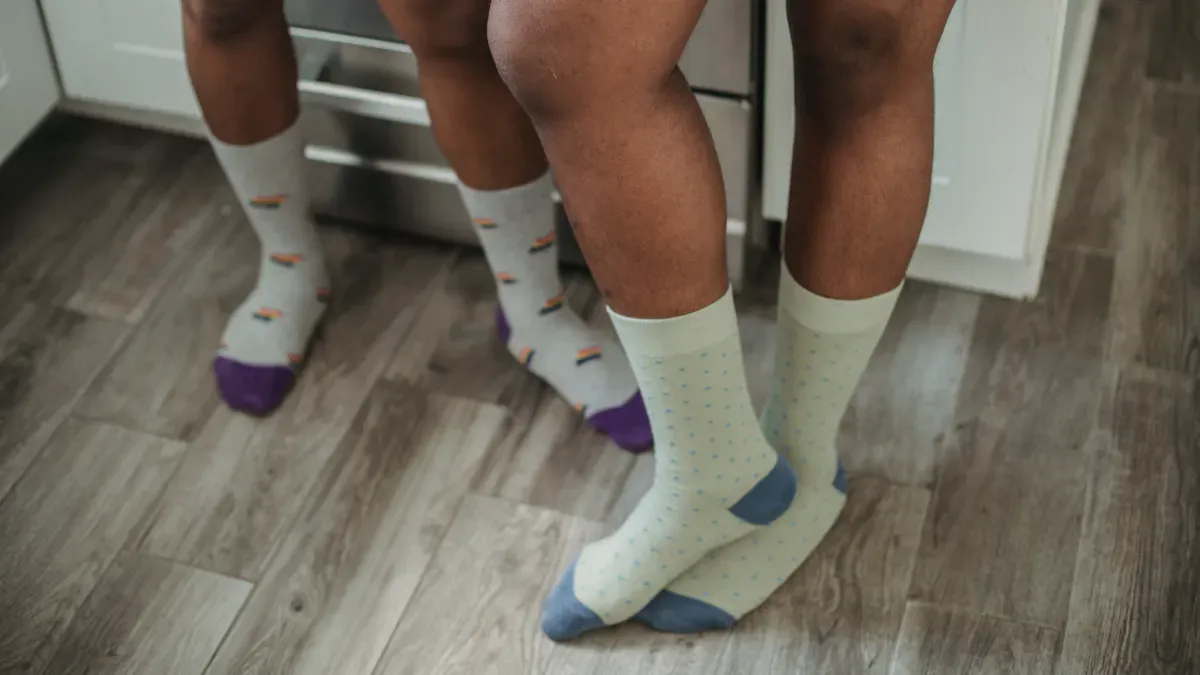
Hospital non-slip socks have grips on the bottom. These grips help stop slipping on smooth floors. Wearing non-slip socks lowers the chance of falling. This is very helpful for patients who feel weak or dizzy. These socks also give comfort and warmth. They help patients feel calm during their hospital stay. Non-slip socks are made from materials that let feet breathe. The materials also fight germs to keep feet dry and healthy. Always wear hospital socks when you walk around. This keeps you safe and helps stop accidents. Check your socks often for any damage or holes. Replace them if they look worn out to keep them working well. Hospital socks come in different colors. The colors show how much help a patient may need. This makes things safer for everyone. Pick high-quality non-slip socks for the best grip and comfort during your hospital stay.
Image Source: pexels
You see non-slip socks in hospitals because they help keep you safe. These socks, also called grippy socks or grip socks, have special treads on the bottom. The treads give you extra grip when you walk on smooth hospital floors. Medical device guidelines say that hospital non-slip socks are made to give you better traction in healthcare places. You might hear people call them hospital grippy socks or fall prevention socks. Their main job is to help you stay steady and avoid slipping.
When you wear non-slip socks, you get more than just safety. You also feel warm and comfortable. The socks act as a barrier, keeping your feet clean and protected from germs. Many hospitals give these socks to patients who need extra support when walking. MINGJUN Hosiery, a trusted manufacturer, makes high-quality grippy socks for hospitals around the world.
Tip: If you feel weak or unsteady, always ask for hospital socks with grippy soles. They help you move safely and give you peace of mind.
Grippy socks stand out because of their smart design. You notice right away that they look different from regular socks. The special features make them perfect for hospital use.
Manufacturers use strong and soft materials to make non-slip socks. You find that most grippy socks use breathable yarns that keep your feet dry and fresh. Some socks have antimicrobial fibers that fight sweat and odor. This helps you stay comfortable, even if you wear them for a long time. Seamless toe technology means you do not feel any rough edges, which is important if you have sensitive feet. Many hospital socks also have terry loop cushioning. This gives you extra support in areas that need it most, like your heels and arches.
Here is a table that shows how each part of the sock helps you:
Feature | How It Helps You |
|---|---|
Certified Grip Soles | Stops slips and keeps you steady |
Reinforced Seams | Makes socks last longer, even after many washes |
Breathable Antimicrobial Yarns | Fights sweat and odor, keeps feet healthy |
Seamless Toe Technology | Prevents rubbing and pressure on your toes |
Terry Loop Cushioning | Protects your feet from sores and ulcers |
Padded Arch Band | Reduces tiredness, supports your feet |
The most important part of grip socks is the grippy sole. You see rubber or silicone treads on the bottom. These treads give you strong traction on all kinds of hospital floors. Some grippy socks have a single tread design, while others use a double-sided tread. This means you get a non-slip grip no matter how you put the socks on. The grip pattern often goes in many directions, so you stay safe even if you turn or twist your foot.
Grippy socks also fit snugly. They do not slide around when you walk. Some brands use special technology, like Micro-ban®, to stop bacteria from growing on the socks. This keeps your feet clean and lowers the risk of infection. You can trust that high-quality hospital socks, like those from MINGJUN Hosiery, meet strict safety tests. They use advanced machines to make sure every pair of grip socks gives you the best support.
When you choose non-slip socks, you get:
Extra grip for walking on smooth or wet floors
A secure fit that does not bunch up or slip off
Soft, skin-friendly fabric for all-day comfort
Protection from germs and bacteria
Grippy socks help you move with confidence. You do not have to worry about falling or hurting yourself. Hospitals trust these socks because they work well for patients of all ages.
You might wonder how grip socks keep you safe on hospital floors. The answer lies in the smart grip technology built into every pair. Manufacturers use different methods to make sure grip socks give you the best support. The table below shows the most common grip technologies and how they work:
Grip Technology | Function |
|---|---|
Silicone or TPE grip patterns | Create micro-friction points that enhance traction on surfaces, supporting stability in movement. |
Compression-based support structures | Provide arch support and reduce foot fatigue, enhancing comfort during prolonged wear. |
Moisture management systems | Utilize moisture-wicking materials to keep feet dry, improving grip efficiency. |
Ergonomic foot mapping | Follow the foot's natural contours for a secure fit, maintaining grip precision during activity. |
When you wear grippy socks, you feel the difference right away. The silicone or TPE patterns on the bottom of grip socks create an enhanced grip. This means you get better traction and stability with every step. Moisture management systems keep your feet dry, so the grip stays strong even if you sweat. Compression-based support helps your feet feel less tired, which is important if you walk a lot in the hospital.
Grip socks play a big role in keeping you safe from slips and falls. The design of the grip pattern matters a lot. Some grip socks use a three-dimensional tread pattern. This type only touches the floor in certain spots, which can lower slip resistance. Other grip socks, like compression stockings with a flat surface, touch the floor more evenly. This gives you better slip resistance and helps you stay steady.
You can see how different grip patterns work in the table below:
Grip Pattern Type | Slip Resistance Impact | Notes |
|---|---|---|
Three-dimensional tread pattern | Reduced slip resistance | Only raised portions contact the floor, limiting effective contact area. |
Compression stocking (no tread) | Higher slip resistance | Level surface ensures full contact with the floor. |
When you choose grippy socks with the right grip pattern, you lower your risk of falling. Hospitals trust grip socks because they help patients move safely on smooth or wet floors. You get peace of mind knowing that grip socks support your balance and protect you from accidents.
Tip: Always check that your grip socks fit well and the grip pattern covers the bottom of your foot. This helps you get the best protection.
You should know that grip socks also play a part in infection control. Hospital guidelines say that non-slip socks may pose an infection control risk. You need to keep your grip socks clean and dry. Hospitals often give you a new pair if your socks get dirty or wet. There is no strong evidence that grip socks alone prevent falls in hospitals, but they do help you feel safer and more comfortable.
Wash your grip socks often.
Ask for a new pair if yours get soiled.
Wear grip socks only in the hospital to avoid bringing germs home.
Grippy socks help you stay safe, but you must use them the right way. Clean socks protect your feet and help stop the spread of germs. You can trust that high-quality grip socks, like those from MINGJUN Hosiery, meet strict safety and hygiene standards.
Image Source: unsplash
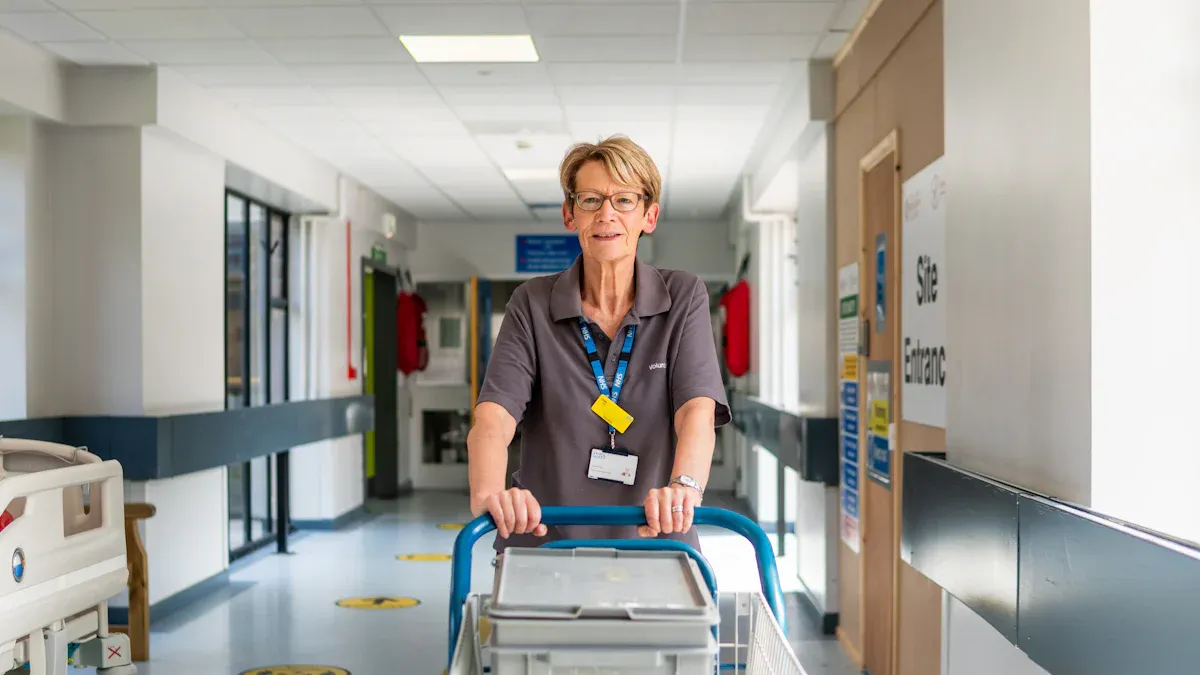
You want to feel safe when you walk in the hospital. Grip socks help you stay steady on smooth floors. Hospitals use grip socks because they lower the risk of slipping and falling. The safety of patients is a top priority in every hospital. When you wear grip socks, you get extra traction from the special treads on the bottom. These treads help you prevent falls, even if you feel weak or dizzy.
Many hospitals have seen fewer falls after giving patients grip socks. The table below shows how much fall rates and injuries drop when hospitals use grip socks:
Metric | Baseline (falls per 1,000 patient days) | Post-Implementation (falls per 1,000 patient days) | Reduction (%) |
|---|---|---|---|
Fall Rate | 8.2 | 4.3 | 47% |
Fall-Related Injuries | 2.1 | 0.8 | 62% |
You can see that grip socks make a big difference. In one study, 158 patients took part. About half wore grip socks, and the other half wore regular shoes. All 21 falls happened in the regular shoe group. Most of these falls happened because of slipping. Grip socks help you avoid these accidents.
Hospitals trust grip socks because they protect you from injuries. MINGJUN Hosiery makes slip-resistant socks that meet strict safety standards. You can count on their grip socks to support patient safety every day.
You need to feel comfortable during your hospital stay. Grip socks give you a soft, gentle fit. The fabric feels smooth against your skin. Many grip socks use seamless designs, so you do not feel any rough edges. This helps you avoid blisters or sore spots.
Grip socks also keep your feet warm. Hospitals can feel cold, but grip socks provide insulation. This warmth helps your blood flow and supports your recovery. The table below compares grip socks to standard hospital socks:
Feature | Non-Slip Socks | Standard Socks |
|---|---|---|
Warmth and Insulation | Provides warmth, preventing cold feet, beneficial for recovery and circulation issues. | Offers warmth but lacks safety features. |
Soft and Comfortable Fit | Made from soft materials, often seamless to prevent irritation. | May not be as soft or comfortable. |
Many patients say grip socks help them relax and feel at ease. You get both comfort and safety in one product. Grip socks let you move around without worry. They combine patient comfort with practical features. MINGJUN Hosiery uses high-quality, sustainable materials to make sure you feel good and stay safe.
Tip: Choose grip socks with ribbed cuffs. These keep your socks in place and stop them from rolling down.
You want to keep your feet clean in the hospital. Grip socks help you do this. Many grip socks use moisture-wicking and antimicrobial fabrics. These materials keep your feet dry and help stop germs from spreading. Hospitals often give you a new pair if your socks get dirty.
Grip socks also help you move with confidence. The grippy soles let you walk on tile, vinyl, or hardwood floors without slipping. You can get out of bed, walk to the bathroom, or move around your room safely. This freedom helps you stay active and recover faster.
Healthcare providers say grip socks offer:
Enhanced safety with strong grip and traction
Fall prevention for patients with balance problems
A hygienic solution that keeps feet clean and dry
Grip socks are easy to wash and last a long time. MINGJUN Hosiery designs hospital socks that are machine washable and durable. Their focus on sustainability means you get products that are good for you and better for the environment.
Note: Always wear clean grip socks to lower the risk of infection and keep your feet healthy.
You may notice two main types of hospital socks for patients: non-slip socks and regular socks. Non-slip socks, also called anti-slip socks or grippy socks, have special treads on the bottom. These treads help you walk safely on smooth hospital floors. Regular socks do not have these grips, so they do not protect you from slipping.
Here is a table that shows the main differences between non-slip socks and regular hospital socks:
Feature | Non-Slip Hospital Socks (Grippy Socks) | Regular Hospital Socks |
|---|---|---|
Traction | Yes | No |
Fall Prevention | Critical role in preventing falls | Limited effectiveness |
Comfort | Provides warmth and comfort | Basic comfort |
Risk of Self-Harm | Minimizes risks by eliminating hazards | Higher risk |
Use in Psychiatric Care | Essential for safety | Not specifically designed for safety |
You should choose anti-slip socks if you need extra safety when moving around. Hospitals often give these socks to patients who feel weak, dizzy, or have trouble walking. Anti-slip socks help you avoid falls and injuries. Regular socks only offer basic comfort and warmth, but they do not protect you from slipping.
Tip: Always ask for anti-slip socks if you feel unsteady or need to walk on smooth floors. They give you better grip and peace of mind.
Hospitals decide when to give you non-slip socks based on your needs:
You get anti-slip socks if you need to move around safely.
You wear them if you need warmth and comfort while walking.
Regular socks are for times when you do not need extra traction.
You might see hospital socks for patients in different colors. Hospitals use color codes to share important safety information about each patient. The color of your socks tells nurses and doctors how much help you need.
Yellow socks mean you have a higher risk of falling. Staff will help you when you get up or walk.
Red socks show that you should not get out of bed without help. Nurses will make sure you stay safe.
Green socks tell staff that you can move around on your own. You do not need extra help.
Purple socks show that you have a Do Not Resuscitate (DNR) status. This helps staff follow your care wishes.
Color codes make it easy for everyone to know how to help you. If you see a new color on your socks, ask your nurse what it means. You can feel safer knowing that the hospital uses these codes to protect you.
Note: Always wear the socks the hospital gives you. The right color and type of sock help staff care for you in the best way.
You should wear hospital socks whenever you move around in the hospital. These socks help you stay safe, especially if you feel weak or have trouble walking. Hospital staff often give you these socks when you arrive, and they may check your risk of falling. If you are older or have mobility issues, you need to wear hospital socks to prevent slips and falls. You also benefit from wearing them if you want to walk to the bathroom, move around your room, or do light exercises.
Here are some important times to wear hospital socks:
When you get out of bed or walk in your room
During physical therapy or rehabilitation
If you feel dizzy or unsteady
When you visit the bathroom or shower area
Tip: Always ask your nurse if you are unsure when to wear your hospital socks. Wearing them at the right times keeps you safe and independent.
Keeping your hospital socks clean helps protect your feet and keeps the grips working well. You should follow these steps to care for your socks:
Check your socks for any damage before washing.
Turn your socks inside out and place them in a mesh laundry bag.
Wash your socks on a gentle cycle with cold water (below 86°F or 30°C).
Use a mild detergent and avoid bleach or harsh chemicals.
Air dry your socks flat. Avoid using high heat in the dryer, as this can damage the grips.
If you want your hospital socks to last longer, you can hand wash them. Soak them in cold water with a gentle detergent, rinse well, and let them air dry. Always store your socks flat to keep the grips from sticking together.
Note: Regular cleaning and gentle care help your socks stay comfortable and safe. MINGJUN Hosiery designs hospital socks to be durable and easy to wash, so you can use them again and again.
You should replace your hospital socks if you notice the grips wearing down or if the fabric becomes thin. Worn-out grips can make the socks less safe. Check your socks often for signs of damage, such as holes or loose threads. If your socks get wet or dirty, ask for a new pair right away.
Here are some signs that you need new hospital socks:
The grips feel smooth or start to peel off
The socks have holes or tears
The fabric feels stretched out or thin
Proper care and timely replacement keep you safe and comfortable. MINGJUN Hosiery recommends checking your socks after each wash and replacing them as needed. Their hospital socks are made to last, but regular inspection ensures you always have the best protection.
Practical Tip | Why It Matters |
|---|---|
Inspect socks before each use | Ensures grips are intact for safety |
Wash after each use | Maintains hygiene and grip quality |
Replace when worn | Prevents slips and keeps you protected |
Remember: Clean, well-maintained hospital socks help you move confidently and safely during your hospital stay.
You may wonder if hospital non-slip socks work better than shoes. Here are some important points to know:
Non-slip socks give you more grip than regular socks or bare feet, but they do not match the slip resistance of shoes.
Studies show that non-slip socks can have lower slip resistance than walking barefoot. This means you might still slip if you only wear socks, especially on wet floors.
Non-slip socks help a little more than compression stockings in dry conditions. Their performance in wet conditions is not clear.
Walking barefoot increases your risk of falling. Shoes usually offer the best protection against slips and falls.
Some patients cannot wear shoes because of swelling or limited movement. Non-slip socks are light and easy to put on, so they are a good choice when shoes are not possible.
Note: If you can wear shoes safely, they often give you the best grip. If shoes are not an option, non-slip socks are a practical and helpful alternative.
Non-slip socks can help reduce falls, but they have some limits. You should know that these socks can carry germs and bacteria. Hospitals recommend changing your socks after you walk around. This helps lower the risk of infection. If you can walk on your own, hospital staff may give you non-slip slippers instead. These slippers can be easier to keep clean.
Research shows that non-slip socks do not always prevent falls. There are not enough large studies to prove they work for everyone. You should always use them as part of a bigger safety plan. Nurses and doctors will check if non-slip socks are right for you. They look at your health and how steady you feel on your feet.
Tip: Always keep your socks clean and dry. Ask for a new pair if your socks get dirty or wet. This keeps your feet healthy and safe.
You might have questions or worries about wearing hospital socks. Many patients ask if these socks are safe and comfortable. You can feel confident that hospitals choose non-slip socks to help you stay safe. Staff will check your needs and give you the right type of sock or shoe.
If you feel unsure about wearing non-slip socks, talk to your nurse or doctor. They will explain why you need them and how they help. Some people worry about germs. You can lower this risk by changing your socks often and washing your feet. If you have special needs, like swelling or sensitive skin, let your care team know. They will find the best option for you.
Remember: Your safety comes first. Hospital staff want you to feel comfortable and protected during your stay.
Hospital non-slip socks help you stay safe, comfortable, and mobile during your hospital stay. You get extra grip, warmth, and protection from germs. These socks lower your risk of falls and support your recovery.
You can trust non-slip socks for daily use in hospitals.
You keep your feet clean and secure.
Choose high-quality hospital socks from MINGJUN Hosiery for reliable safety and comfort. Visit MINGJUN Hosiery to learn more.
You see special grips on the bottom of hospital non-slip socks. These grips help you walk safely on smooth floors. Regular socks do not have these grips.
You can wear them at home. They help you stay safe on tile or hardwood floors. Always keep them clean for best results.
You should change your socks every day. If your socks get wet or dirty, ask for a new pair right away.
Most hospitals offer different sizes. You should ask for socks that fit your feet well. Loose socks can slip off and tight socks can hurt.
Yes! These socks keep your feet warm. The soft fabric helps you feel comfortable during your hospital stay.
You can wash them in a machine. Use cold water and a gentle cycle. Air dry them flat to protect the grips.
Anyone who feels weak, dizzy, or unsteady should wear them. Nurses may give you these socks if you need extra safety.
Tip: Always check your socks for damage before wearing them. Safe socks help you move with confidence.